
Where
The south east, 4 km south of Paje
Getting there
50 min to 1 h by taxi, $40 to $50
Tidal range
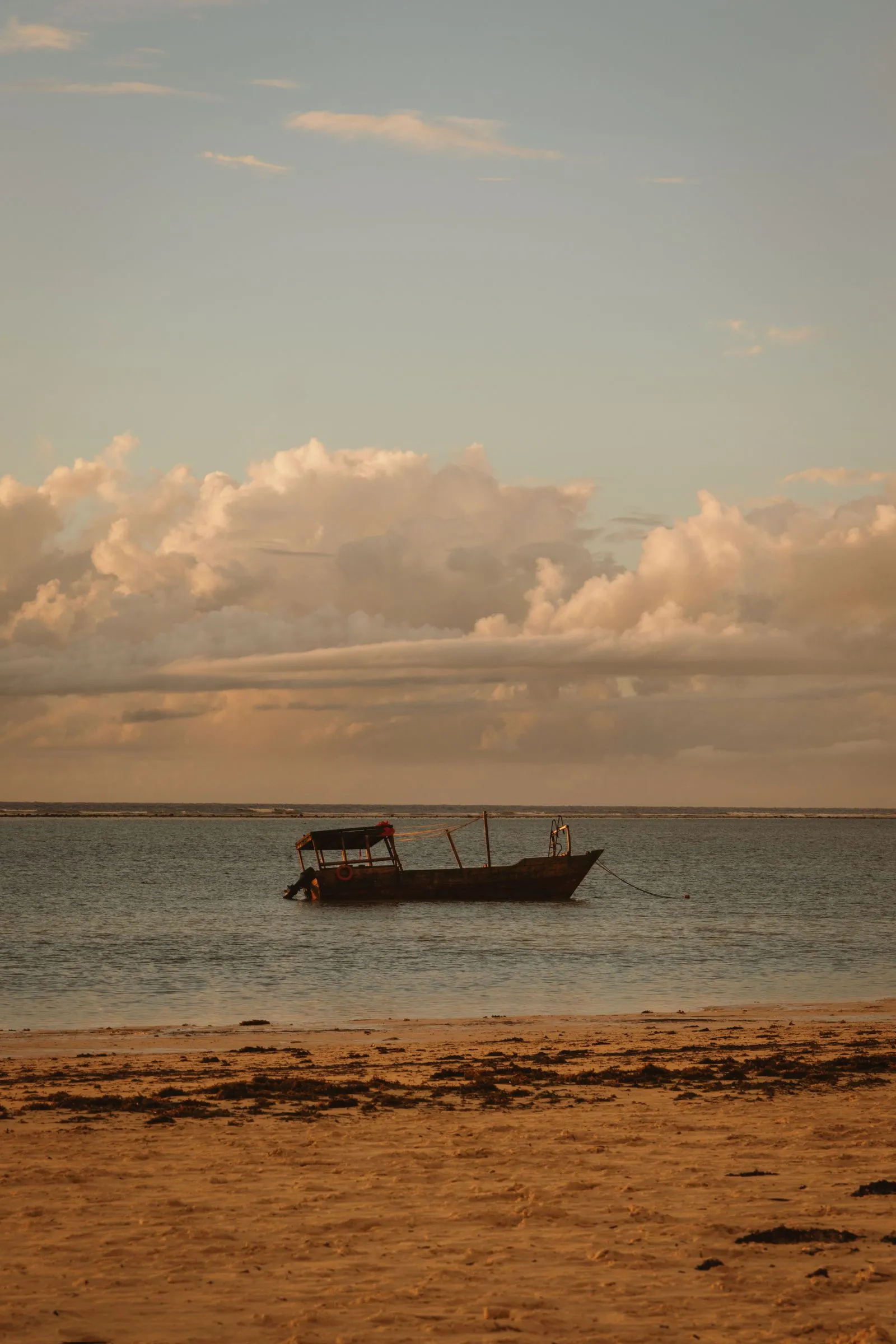
3 to 4 m, the sea goes out 200 to 500 m
Swimming
Around two hours either side of high water
Feel
A working village
Suits
Slow travellers, budgets, second trips
Where to stay at Jambiani
Rooms at Jambiani
The cheapest good beach on the island, with a working village behind it, and forty minutes from the dolphin boats at Kizimkazi. Guesthouses from thirty dollars a night.
See places to stay at JambianiPartner link. The price is the same for you.
Jambiani in four lines
- The cheapest good beach on the island. Guesthouses from $30, dinner from $8, and the same lagoon as Paje ten minutes north.
- Tide, 3 to 4 metres. The sea goes out several hundred metres twice a day. This is the tradeoff for the price.
- A working village, not a resort strip. People live here, the seaweed farms employ most of the women, and it is the best place on the coast to see how it works.
- Cover up away from the sand. More so than anywhere else on the east coast, because you are walking through somebody's street.
The seaweed farms, and why they matter
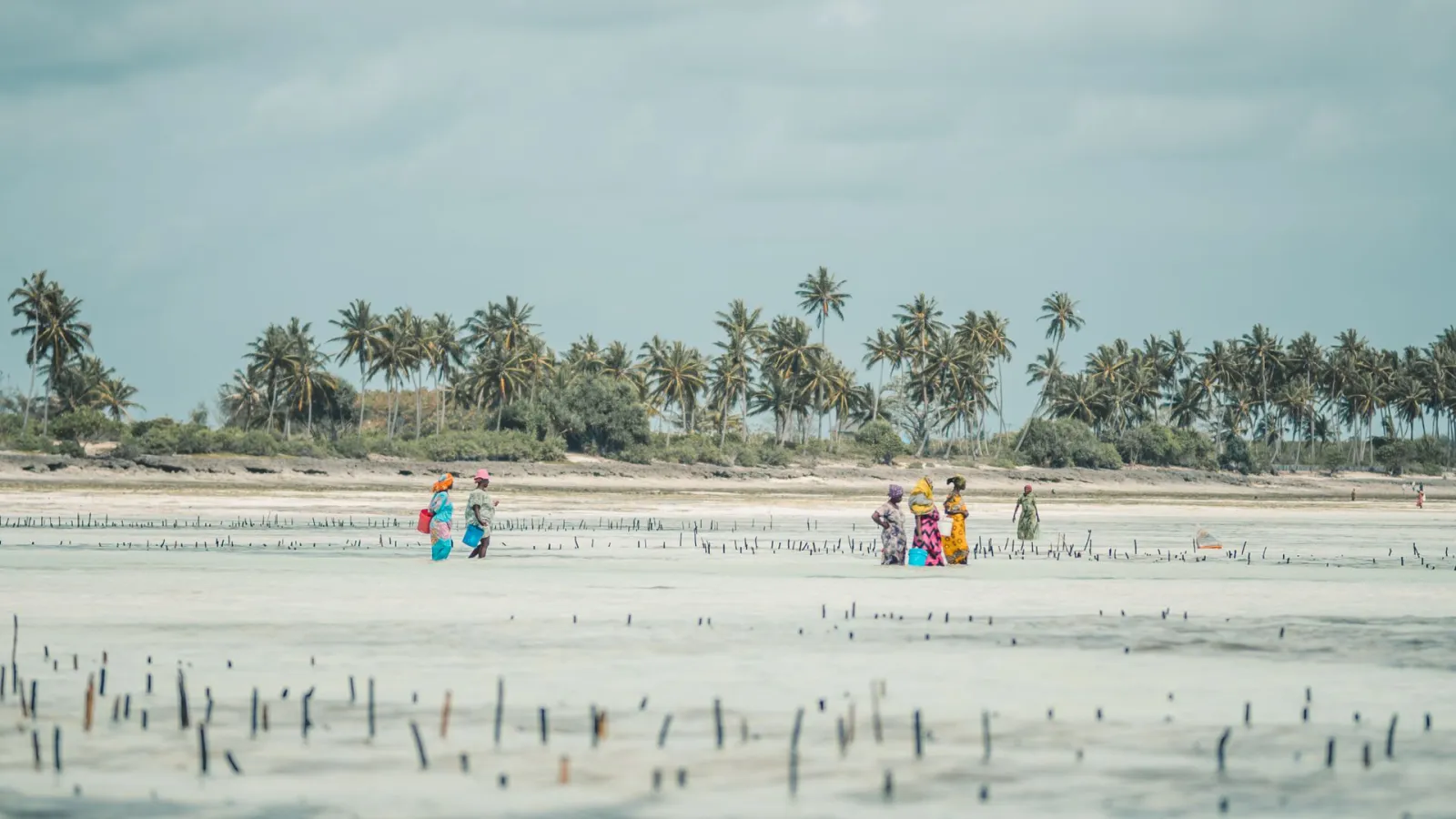
At low tide the flats in front of Jambiani fill with women tending lines of seaweed staked into the sand. It is Zanzibar's largest employer of women and it has been since the eighties.
The crop goes into cosmetics and food thickeners, mostly for export, and the income it generates is a large part of why this stretch of coast has not simply been sold to resorts.
Several places in the village run walks out onto the flats with the women who work them. It costs very little, it goes to the right people, and it is the most interesting hour most visitors spend on this coast.
What a night out looks like
It does not, particularly. Jambiani has a handful of beach bars and restaurants and they close early. This is not an accident or a shortcoming, it is the whole proposition.
For anything more, Paje is four kilometres up the coast and a five dollar taxi ride. Plenty of people staying in Jambiani eat there once or twice a week and come back.
Where to eat, which is the good news
Jambiani has a proper spread of places to eat that are not hotels, which is rare on this coast and is a large part of why people stay longer here than they planned.
Local restaurants in the village serve grilled fish, rice, beans and chapati for three to six dollars. Several beach places do the same food with a view and a beer for twice that, which is still a third of resort prices.
It is worth asking your guesthouse which places are open on which night. Kitchens here are small and a few close on rotation, particularly out of season.
Living here for a while
Jambiani has quietly become a long stay village. Guesthouses do weekly and monthly rates that fall well below the nightly price, and there are a handful of places set up for people working remotely.
The connection is decent for the coast, though not as reliable as Paje's coworking spaces four kilometres north. Anyone with fixed calls should test it in the first day rather than assume.
Power cuts are short and frequent. A power bank matters more than an extra gigabyte of data, and the better guesthouses run a generator that picks up within a minute.
The village, and how to be in it
Several thousand people live here and the guesthouses are inside the village rather than fenced off from it. That is the appeal and it comes with a small obligation.
Cover shoulders and knees when you are away from the beach. Ask before photographing people. Buy from the shops rather than only from the hotel. None of this is demanding and all of it changes how the week goes.
The seaweed walks are the single best thing to do here, cost a few dollars, and the money goes directly to the women who run them.
Booked from Jambiani
The seaweed walks are arranged in the village, not online. These three start from Jambiani or pick up there.
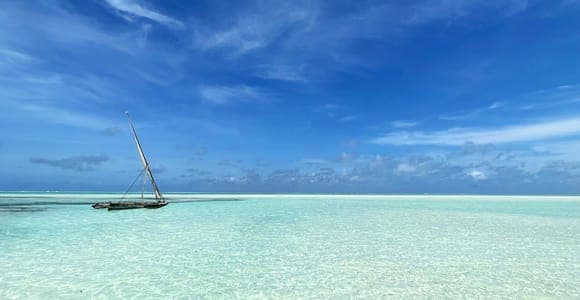
Private dhow snorkelling in Jambiani
A wooden boat for two, out to the reef edge at the right tide.
From$113per group, up to 2
Check availability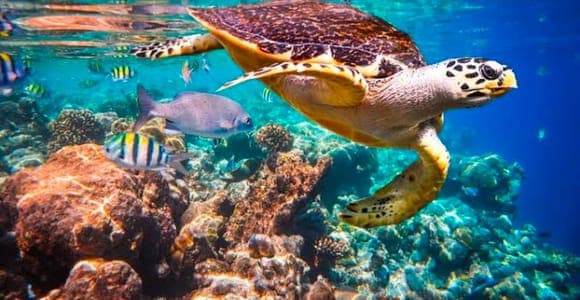
Jozani forest and Salaam Cave, entry fees included
The red colobus in the morning, a swim with turtles in the cave after.
From$80per person
Check availability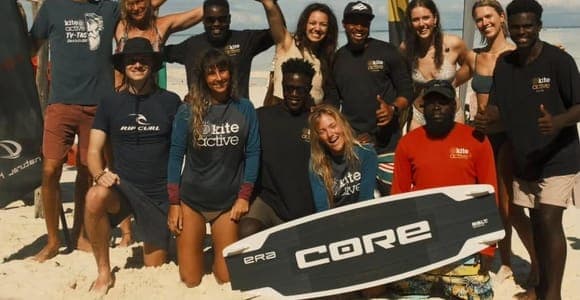
Kitesurf lessons in Jambiani
The lagoon next to Paje, from a single session to a full course.
From$360per person
Check availabilityPrices, ratings and review counts read from GetYourGuide on 27 September 2026, and indicative. These are partner links: the price is the same for you.
What Jambiani costs
This is the cheapest good beach on the island by a clear margin, and the gap against the northern tip is the reason people end up here on a second trip.
| What | Jambiani | Nungwi, for comparison |
|---|---|---|
| Guesthouse, double | $30 to $60 | $70 to $110 |
| Small hotel on the sand | $70 to $130 | $180 to $280 |
| Dinner in a beach restaurant | $8 to $15 | $20 to $35 |
| A plate at a local canteen | $3 to $5 | $4 to $7 |
| Taxi from the airport | $30 to $40 | $50 to $60 |
| A beer | $2 to $3 | $3 to $5 |
The tradeoff is the tide, which takes the sea out several hundred metres twice a day. If the price is the point, doing Zanzibar cheaply costs a week here at sixty dollars a day. Read what the tide does before you decide whether the saving is worth it.
Should you stay at Jambiani
Stay here if
- You want the east coast tide without Paje's kite crowd
- The budget matters and you want it to go further
- Watching a coast work for a living is part of the appeal
- A guesthouse suits you better than a resort
Stay elsewhere if
- You want to swim whenever you feel like it
- You want a choice of restaurants after dark
- You came to kitesurf, which is four kilometres north
- You wanted the resort experience, which is not here
Getting to Jambiani, and getting about once there
Fifty kilometres from the airport, an hour by road, forty to fifty dollars for a taxi. The route runs through Jozani, which makes the forest the obvious stop on a transfer day.
Dala dala run from Stone Town for about a dollar and take two hours with stops. Fine if you are travelling light, unworkable with a suitcase.
The village is strung along five kilometres of coast, so where you stay decides how much walking you do. Most guesthouses lend bicycles, which is how the long stay crowd gets around, and a taxi anywhere within the village is two or three dollars.
Paje is four kilometres north: an hour along the sand at low tide, five dollars by taxi otherwise. Inland, behind the village, Kuza Cave is a limestone cave pool you can swim in whatever the tide is doing. Half an hour south by tuk tuk, Mtende is a rock cove worth timing for a low tide.
Where to eat, and where to buy food
The village has a genuine spread of places that are not hotels, which is rare on this coast. Local restaurants do grilled fish, rice, beans and chapati for three to six dollars, and several beach places do the same with a view for twice that.
Kitchens are small and a few close on rotation, particularly out of season. Ask your guesthouse which are open tonight rather than walking hopefully.
For self catering, the village shops carry rice, pasta, eggs, bread and tinned goods, and the fish comes off the boats in the morning. Anyone staying a fortnight ends up shopping rather than eating out twice a day, and that is where the budget really drops.
Questions people ask about Jambiani beach
Is Jambiani or Paje better?
Same lagoon, same tide, four kilometres apart. Paje has the kite schools, the coworking and the bars. Jambiani is quieter, cheaper and more of a village. If you want to do things, Paje. If you want to read a book, Jambiani.
Can you swim at Jambiani?
In the window around high water, which is about four hours a day and moves later each day. Outside it the sea is several hundred metres out. Reef shoes make the walk out onto the flats comfortable and are worth packing.
Is Jambiani cheap?
It is the best value coast on the island. Guesthouses run well below what the north charges, food outside the hotels is a few dollars a plate, and the beach in front of you is the same white sand people are paying triple for sixty kilometres north.