
Boat and tour
$30 to $60 from Stone Town
Island entry
Around $4, paid on arrival
Conservation fee
$10 an adult since September 2025
Time needed
Half a day, a full one with Nakupenda
Crossing
20 to 30 minutes from the seafront
Real name
Changuu, and it was a quarantine station
Book Prison Island and the sandbank
Book the combined trip rather than the island alone. Changuu takes about an hour to see properly, and the version that adds Nakupenda sandbank and a grilled lunch turns a thin morning into a full day for perhaps twenty dollars more.
Boat trips from Stone Town
Prices, ratings and review counts as the partner lists them, read on the date shown below the cards. Check whether the island entry and the conservation fee are inside the price, because together they add fourteen dollars a head.
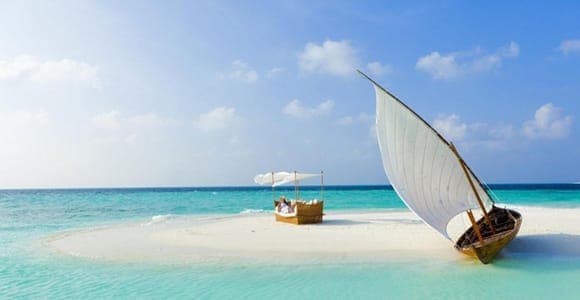
Prison Island and Nakupenda sandbank with barbecue
Century old giant tortoises, then lunch with your feet in the water.
From$36per person
Check availability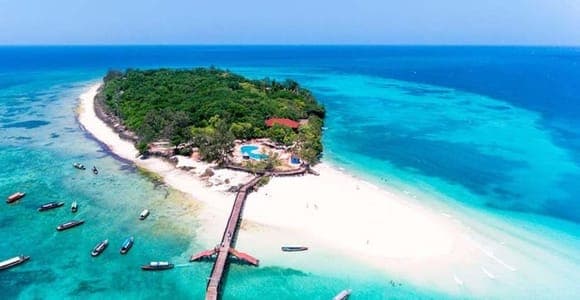
Prison Island and Nakupenda with lunch
Boat out of Stone Town, full day.
From$30per person
Check availability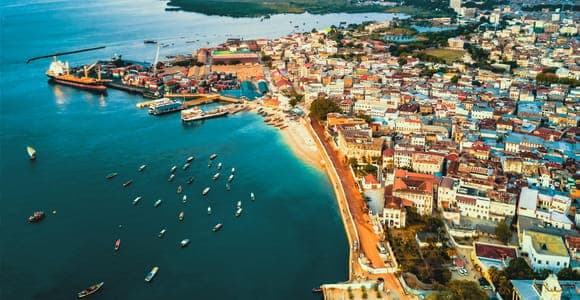
Stone Town, Prison Island and Nakupenda with barbecue
Town and sea in one go, which works well as a first day.
From$42per person
Check availabilityPrices, ratings and review counts read from GetYourGuide on 27 September 2026, and indicative. These are partner links: the price is the same for you.
How much Prison Island costs
| What | Cost | Notes |
|---|---|---|
| Boat and guide, island only | $30 to $45 | Half a morning. Fine if you are short of time and slightly thin otherwise. |
| With Nakupenda and lunch | $50 to $70 | The one to book. A sandbank that appears at low tide, seafood grilled on it, and a proper day. |
| Island entry | Around $4 | Paid at the landing, in cash. Often not included in a quoted tour price. |
| Marine conservation fee | $10 adult, $5 child | Changuu-Bawe is inside the revised tariff that took effect on 1 September 2025. Under fives free. |
| Private boat | From $120 | Worth it for a family, since you set the timing around the tide rather than the operator's. |
The giant tortoises of Changuu
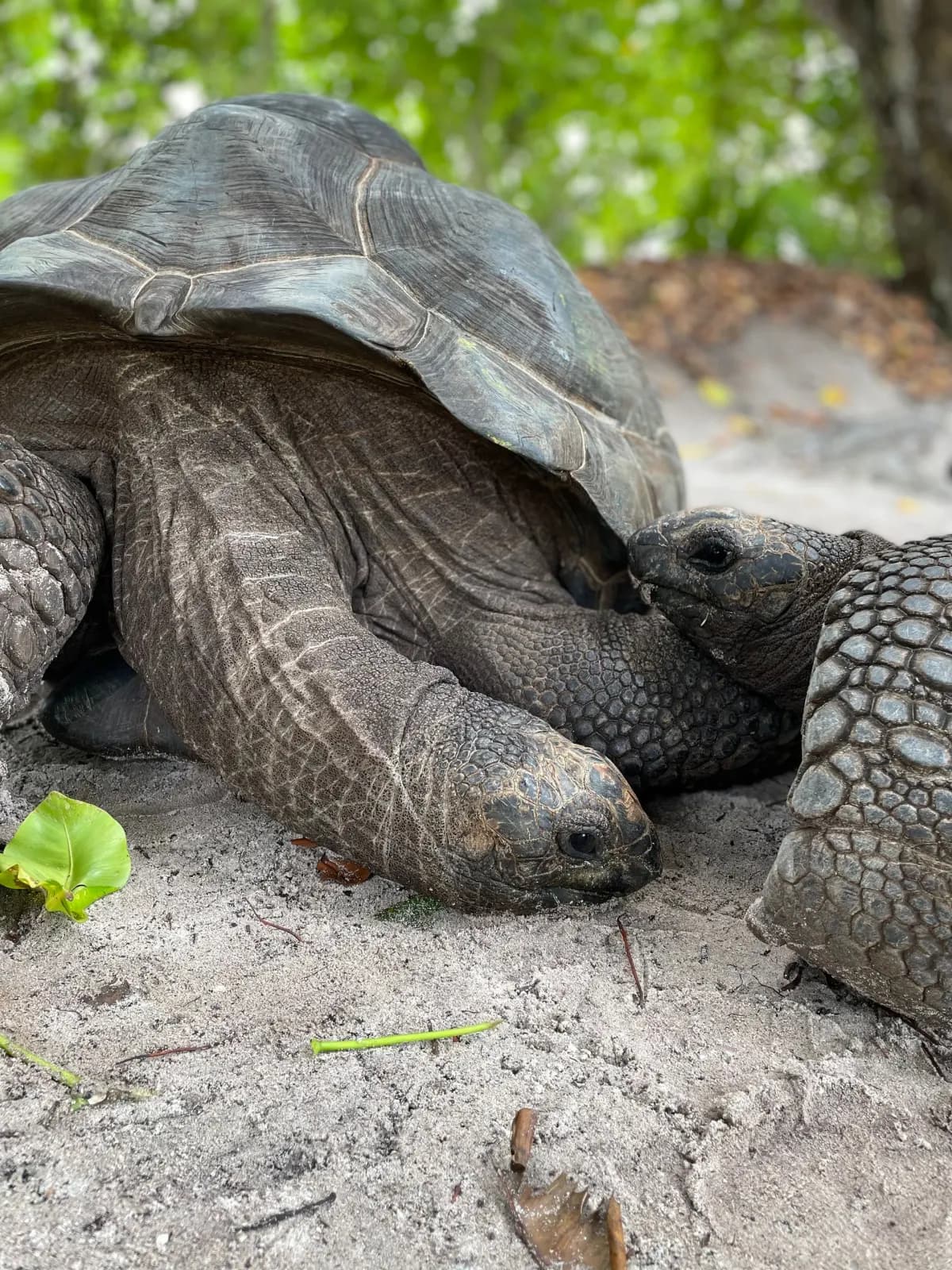
Four Aldabra giant tortoises arrived in 1919, sent as a gift by the British governor of the Seychelles. They bred well enough that by the mid fifties there were around two hundred on the island.
Then people started taking them, for the pet trade and for meat. The population fell to about a hundred by 1988, fifty by 1990, and seven by 1996. Eighty hatchlings were brought in that year and forty of those disappeared as well.
What you visit now is the response to that: a guarded compound, built with help from what is today World Animal Protection, and a population that has recovered into the hundreds. You walk in among them, they are entirely unbothered, and you can feed them spinach leaves bought at the gate.
- The painted numbers on the shells are the keepers' record, not decoration. Some carry a birth year.
- The 1830s dates are folklore, not documentation. It makes a better story than it makes a fact.
- Feed the leaves, not your hand. They have no teeth and a beak, and they lunge faster than anything that shape should.
- Do not sit or climb on them. Guides allow it and it is still a bad idea, for the animal rather than for you.
Why it is called Prison Island
The short version is that the prison was built and then never used, and the name outlived every other thing the island was actually for.
| When | What happened |
|---|---|
| 1860s | Sultan Majid gives the uninhabited island to two Arab traders, who use it to hold enslaved people before shipping or sale at the Stone Town market. |
| 1893 | Lloyd Mathews, the British First Minister, buys Changuu for the Zanzibar government, intending a prison for the mainland. |
| 1894 | The prison buildings are finished. The name Prison Island sticks. Not one prisoner is ever held in them. |
| 1919 | The British governor of the Seychelles sends four Aldabra giant tortoises as a gift. They breed. |
| 1923 | The island is officially renamed Quarantine Island, screening arriving ships for yellow fever for one to two weeks at a time. |
| 1931 | A new quarantine complex raises capacity to 904 people. Out of season, the island doubles as a holiday resort with swimming pools cut into old coral pits. |
| 1996 | Theft for the pet and meat trade has cut the tortoises from around two hundred to seven. Eighty hatchlings are brought in and forty vanish. |
| Today | A guarded compound, a recovered population, and a species listed as vulnerable on the IUCN Red List. |
The buildings you walk through are mostly the quarantine station rather than the prison, and the swimming pools cut into the rock are old coral mining pits that were cleaned out for holidaymakers in the 1890s. Guides vary widely on how much of this they tell you.
What there is to do on the island
- The tortoise compound. Thirty minutes, and the reason everybody comes.
- The ruins. The quarantine hospital, the staff quarters and the never used prison, all crumbling gently under fig roots.
- A small beach with a shelf of coral. Swimmable, shaded, and the reef immediately off it is decent for a fringing reef. Bring a mask.
- Peacocks and duikers. Both introduced, both wandering loose, neither expected.
- A nature trail across the island. Twenty minutes end to end. Changuu is only 800 metres long.
Careful
Nakupenda, and the day that works
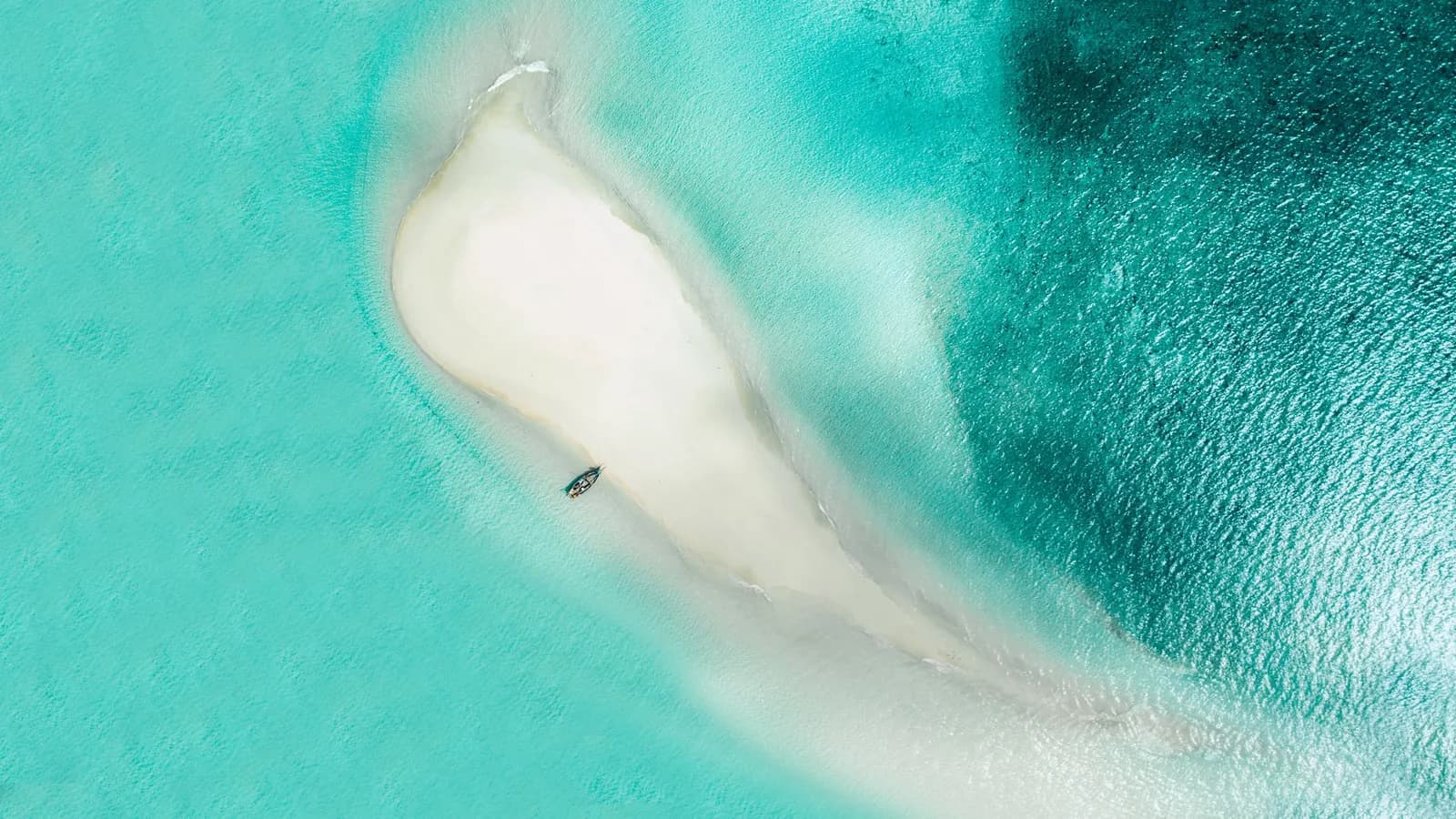
Nakupenda is a sandbank in the channel that surfaces as the tide drops and disappears again as it comes back. Boats anchor off it, the crew grills fish and lobster on the sand, and there is nothing else on it at all. It is the better half of the day.
Because the sandbank is tidal, so is the timetable. Departures move through the week by roughly fifty minutes a day, exactly as they do for Safari Blue on the other side of the island. How the tide works here explains why, and it is worth two minutes before you book.
Getting there, and when to go
Boats leave from the Stone Town seafront, in front of the Old Fort and the gardens, and the crossing is 5.6 kilometres, twenty to thirty minutes depending on the boat. It is an open channel, so a windy morning is a wet one.
Go early. The tortoise compound is at its best before the middle of the day, the light is better, and the boats that leave at eight get the island close to empty.
It pairs naturally with a night in Stone Town, which is the argument for staying in the town for two nights rather than day tripping in from a beach.
Questions people ask about Prison Island, Zanzibar
Is Prison Island, Zanzibar worth visiting?
For the tortoises and for the twenty minute boat ride out of Stone Town, yes. On its own it is a thin half day, and the island itself takes about an hour to see. Combined with the Nakupenda sandbank and lunch it becomes a genuinely good full day, which is how most people should book it.
How much does it cost to visit Prison Island in Zanzibar?
Thirty to sixty dollars for the boat and the tour from Stone Town, plus around four dollars entry on the island, plus the ten dollar marine conservation fee introduced in September 2025. Full day versions with the sandbank and a seafood lunch sit at the top of that range and are the better value.
Are there giant tortoises on Prison Island, Zanzibar?
Yes, Aldabra giant tortoises, descended from four sent as a gift by the British governor of the Seychelles in 1919. They live in a guarded compound near the landing, several are recorded as being well over a century old, and you can walk among them and feed them leaves.
What do you do on Prison Island?
See the tortoise compound, walk the ruins of the quarantine buildings and the old prison that never held anyone, swim off the small beach, and snorkel the reef just offshore. An hour covers the island. Most trips then continue to the Nakupenda sandbank for lunch.
Why is it called Prison Island?
Because a prison was built there in 1894 and then never used. The British authorities decided Stone Town's bigger risk was disease rather than crime, converted the buildings into a quarantine hospital, and formally renamed the place Quarantine Island in 1923. Nobody uses that name and the prison one stuck.
How old are the tortoises on Prison Island?
The oldest are labelled as having hatched in the 1830s, which would make them close to two hundred. Those dates are traditional rather than documented, so treat them as a good story rather than a record. What is certain is that several of the animals predate living memory on the island.