Prison Island & Nakupenda Sandbank Boat Tour +BBQ
- 2 to 9 hours
- Hotel pickup included
- Free cancellation
4.5(855 reviews)
from$17per person
Check prices & availability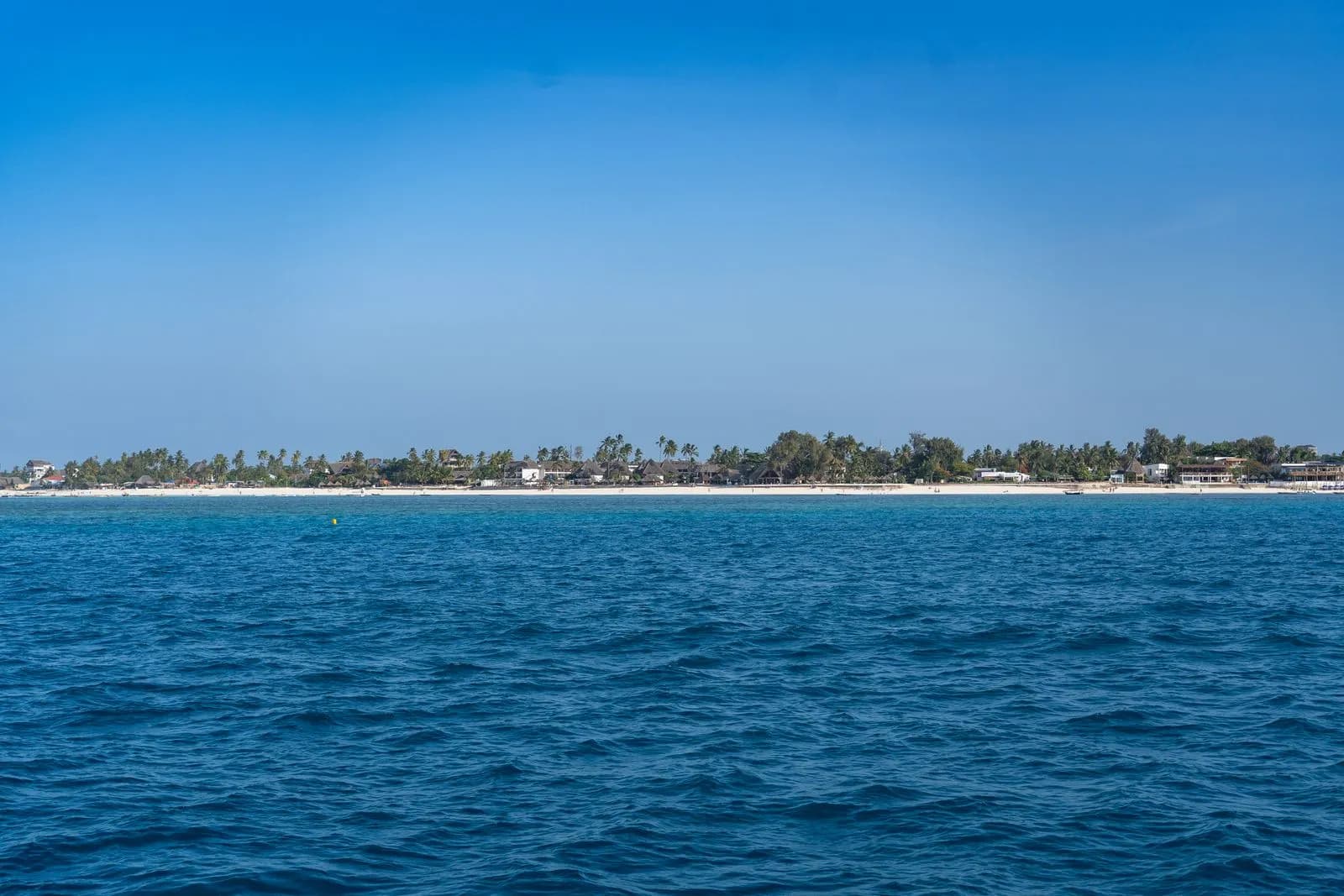
Every guide to Zanzibar ranks its beaches by beauty, which is a useless way to sort them. They are all beautiful. What separates them is the tide, and it decides whether you can get in the water at three in the afternoon.
Updated on 10 September 2026
Two people can come home from this island with completely different accounts of it. One swam whenever they liked. The other walked out of the hotel after lunch and found the sea half a kilometre away. They were sixty kilometres apart and neither had been warned.
Filter by coast. The tide column is the one to read first: a small range means you can swim at any hour, a big range means the lagoon drains and swimming happens around high water.
| Beach | Coast | Tide | Swimming | Feel | Suits | The draw |
|---|---|---|---|---|---|---|
| Nungwi | North | Small range | Any time of day | Busy | Couples, families, first trips | Sunsets, and somewhere to go at night |
| Kendwa | North | Small range | Any time of day | Party after dark | Couples, night owls | The full moon party, and easy swimming |
| Matemwe | North east | Big range | Around high tide | Quiet | Couples, divers | Facing Mnemba, small hotels |
| Kiwengwa | East | Big range | Around high tide | Resort strip | Families, all inclusive | A long beach and kids' clubs |
| Paje | South east | Big range | Around high tide | Bohemian | Kitesurfers, remote workers | The wind, the coworking, the bars |
| Jambiani | South east | Big range | Around high tide | Lived in | Slow travellers, budgets | Village life and the seaweed farms |
| Bwejuu | South east | Big range | Around high tide | Still | Couples, doing nothing | Palms, and almost no one |
| Pingwe | South east | Big range | Around high tide | Exclusive | Couples, eating well | The Rock Restaurant |
| Kizimkazi | South | Middling | Usually fine | Wild | Anyone after quiet | Dolphins, and the undeveloped south |
| Mnemba | Islet | Small range | Any time of day | Exclusive | Divers, and the very rich | Snorkelling as good as it gets here |
| Nakupenda | Islet | Small range | Depends on the tide | Day trip | Everyone | A sandbank that disappears twice a day |
Small range means you can swim at low tide too. Big range means the lagoon empties out and comfortable swimming happens around high water only.
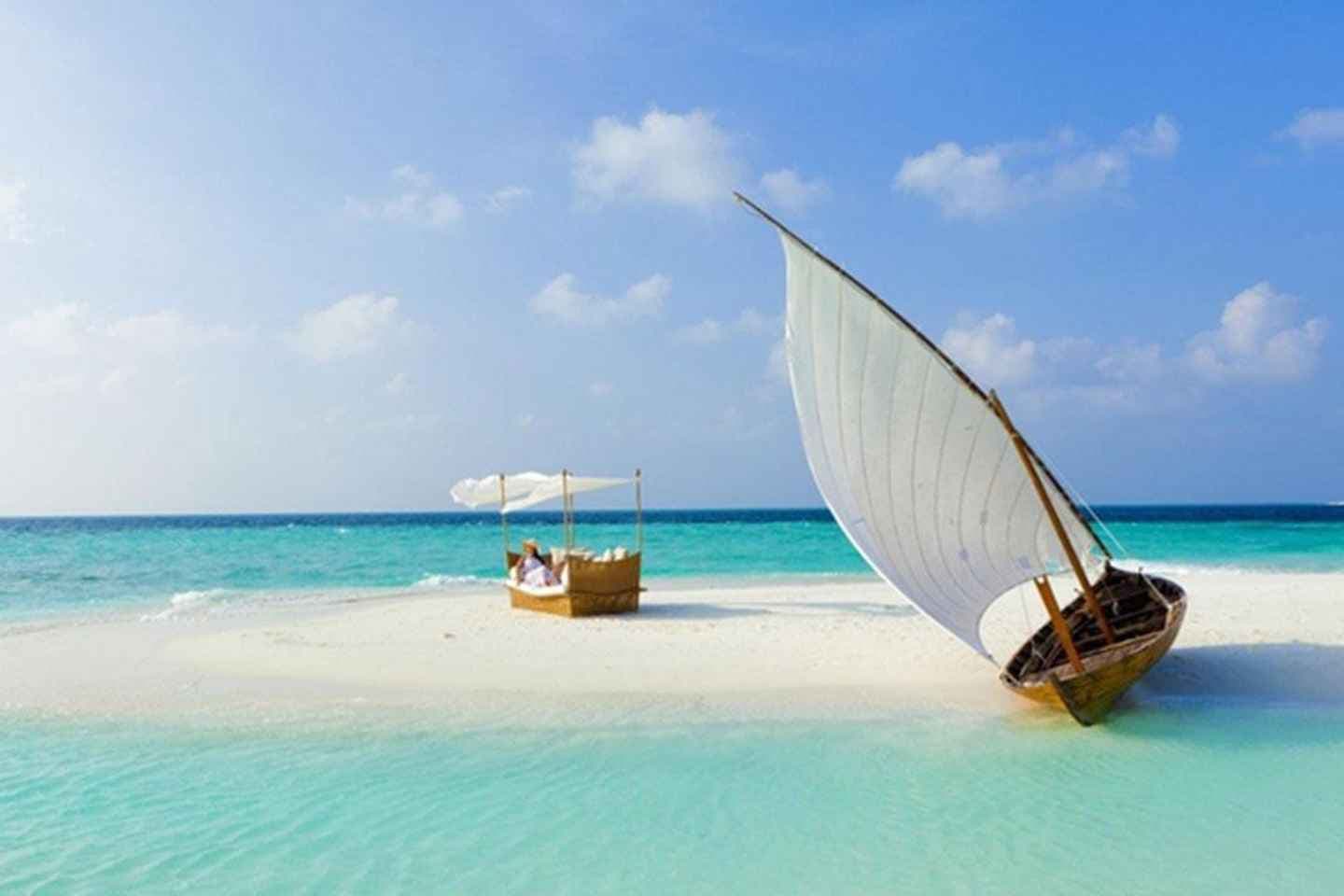
Prison Island and Nakupenda sandbank. The sandbank is the one beach you reach only by boat. This trip combines Prison Island, home of the giant tortoises, with Nakupenda and a barbecue; the departure time follows the tide.
Safari Blue lagoon trip. Safari Blue shows another kind of beach: a sandbank in Menai Bay. A dhow, snorkelling and a seafood lunch, with hotel pickup, on a full day.
Mnemba boat trip from Kendwa. Of the islands you can reach from the beaches, Mnemba is the one to snorkel. This boat leaves from Kendwa and may show dolphins on the way.
4.5(855 reviews)
from$17per person
Check prices & availability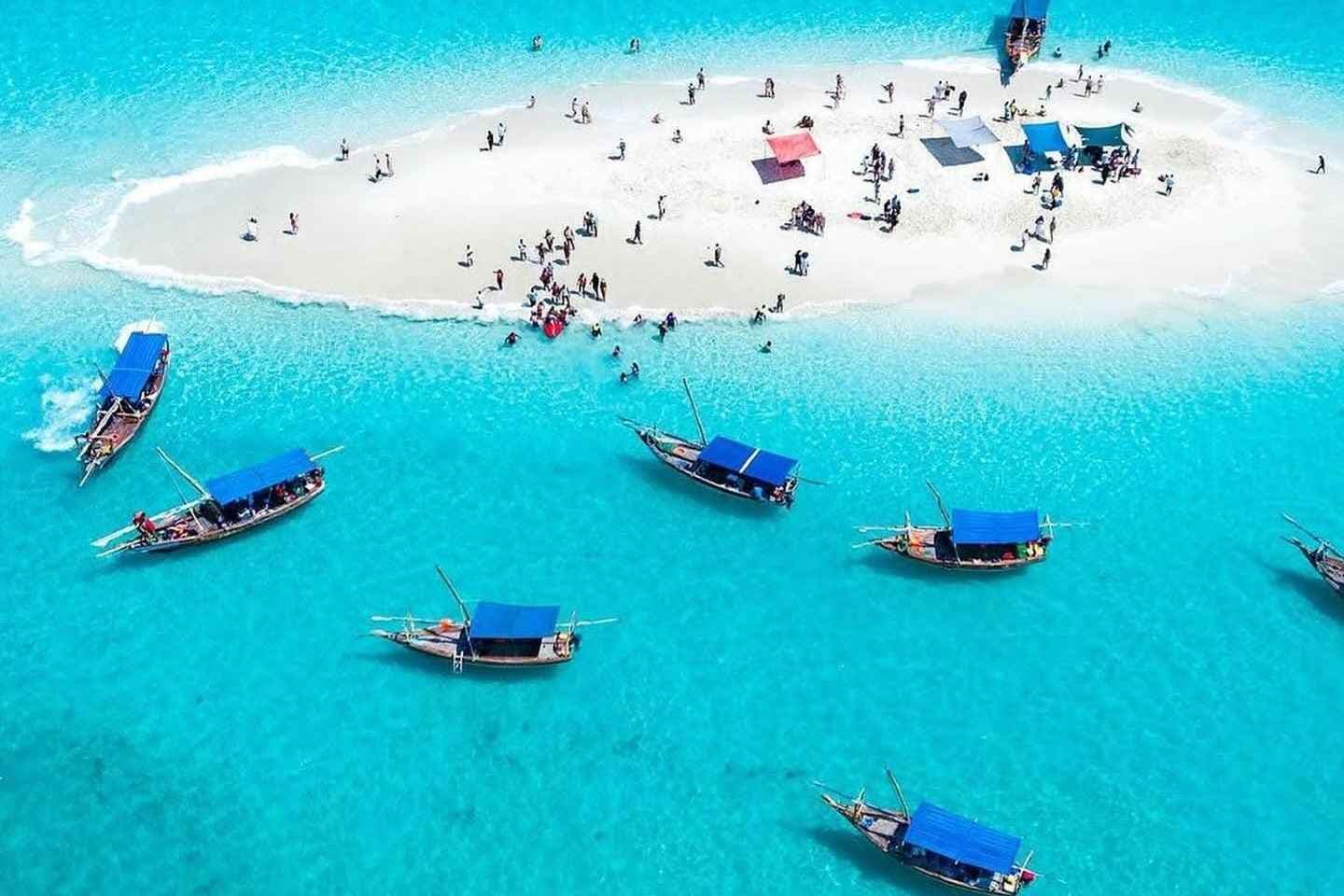
4.6(682 reviews)
from$90per person
Check prices & availability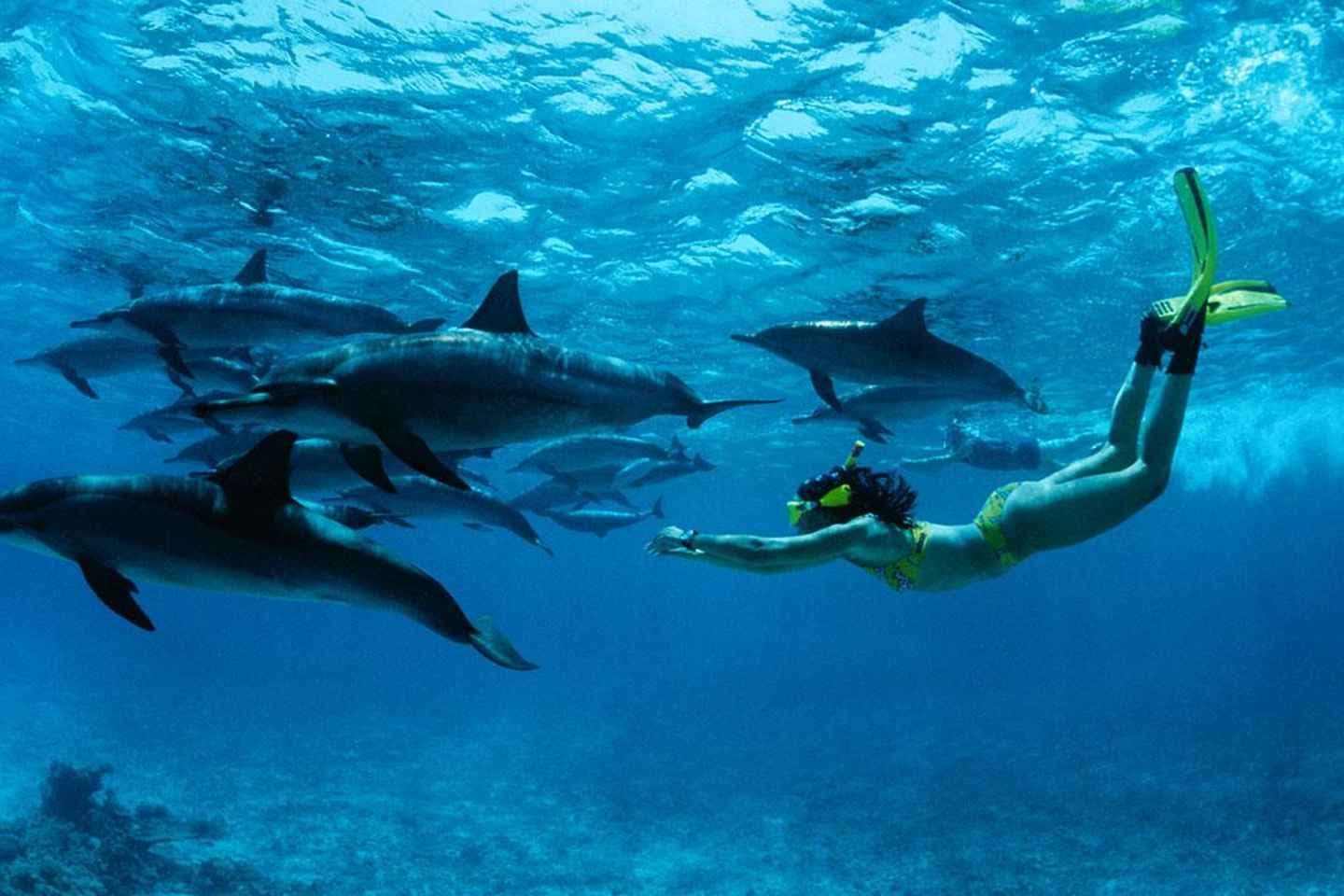
4.7(1,495 reviews)
from$55per person
Check prices & availabilityThe table above sorts by tide. This one answers the two questions that follow it: how long the transfer is, and what a night costs. Transfer prices are a private car for two, one way, and the nightly bands are for a double room in high season.
| Beach | From the airport | Transfer | A night | Swim window |
|---|---|---|---|---|
| Nungwi | 1 h 30 | $50 to $60 | $80 to $400 | All day, every day |
| Kendwa | 1 h 25 | $50 to $60 | $70 to $500 | All day, every day |
| Matemwe | 1 h 10 | $45 to $55 | $70 to $900 | Around high water, 3 to 4 h |
| Kiwengwa | 1 h | $40 to $50 | $60 to $300 | Around high water, 3 to 4 h |
| Pongwe | 1 h | $40 to $50 | $90 to $350 | Most of the day, the bay holds water |
| Bwejuu | 50 min | $35 to $45 | $50 to $250 | Around high water, 2 to 3 h |
| Paje | 45 min | $30 to $40 | $40 to $200 | Around high water, 2 to 3 h |
| Jambiani | 45 min | $30 to $40 | $30 to $180 | Around high water, 2 to 3 h |
| Mtende | 1 h 30 | $60 to $80 | $85 to $135 | Rising to high water, walk it at low |
| Kizimkazi | 1 h to 1 h 30 | $30 to $80 | Lodges to The Residence | Around high water, sea goes out at low |
| Stone Town | 20 min | $15 to $20 | $40 to $400 | No swimming, it is a town |
The paperwork, the transfers and the month to pick are all in planning a trip to Zanzibar. Nothing on this island is more than ninety minutes from the airport, and yet the transfer is the line most people forget to budget. Full rates are in the airport transfer guide, and what a whole week costs is in the budget page.
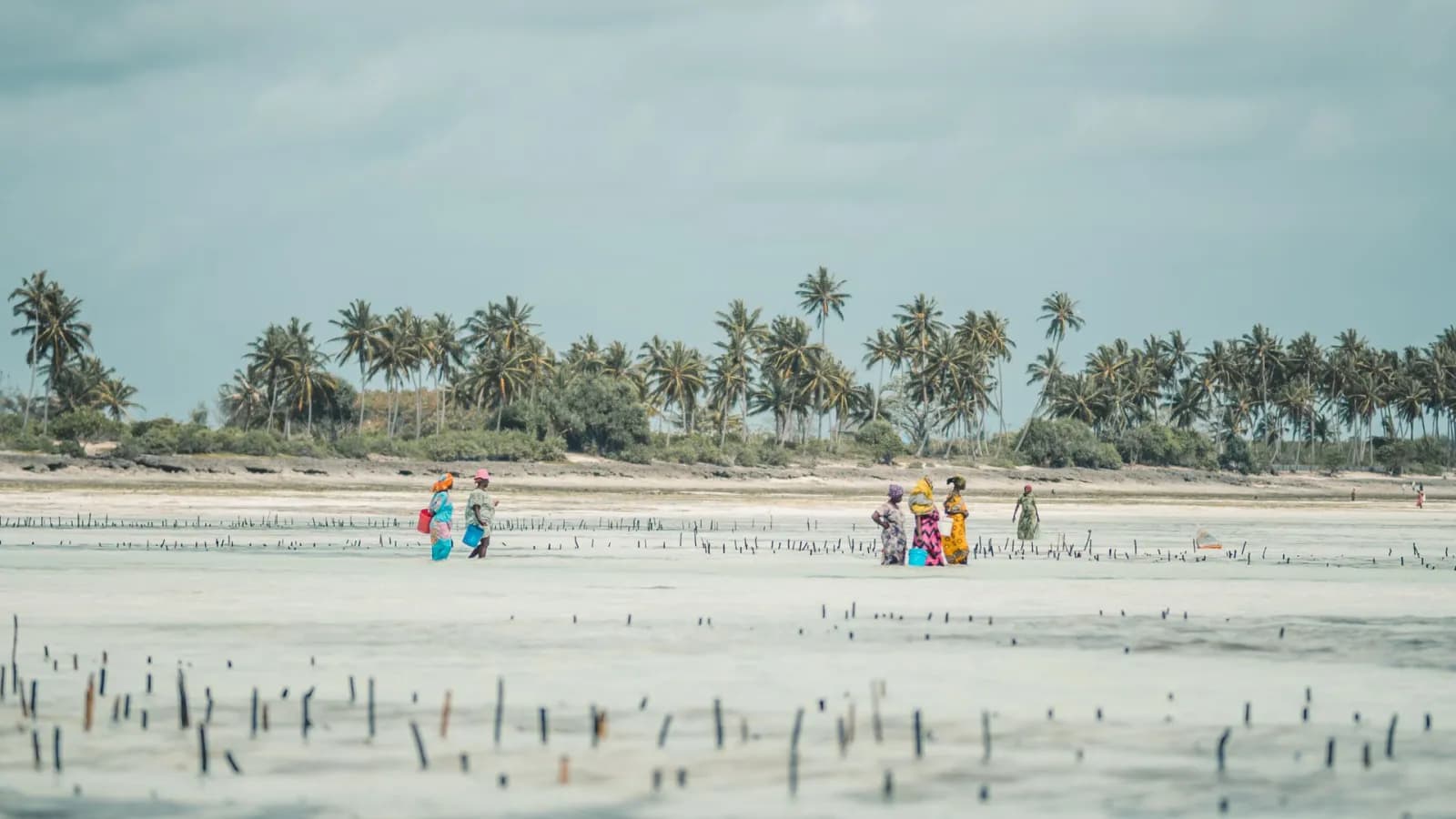
The sea walks out several hundred metres twice a day on most of this coastline. Start here, before you pick a hotel.
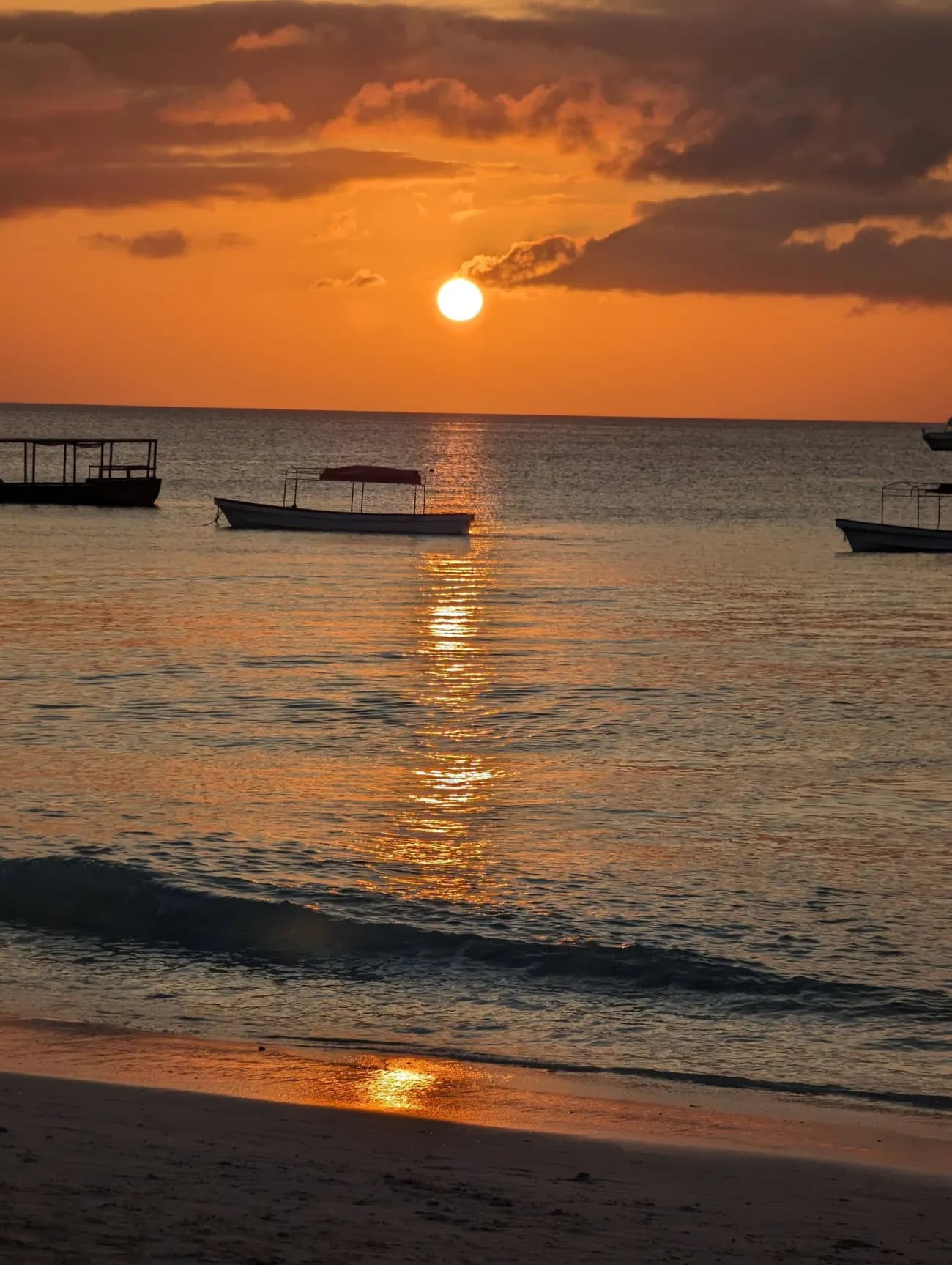
The northern tip, where the tide barely moves and you can swim at any hour. Busiest and priciest for exactly that reason.
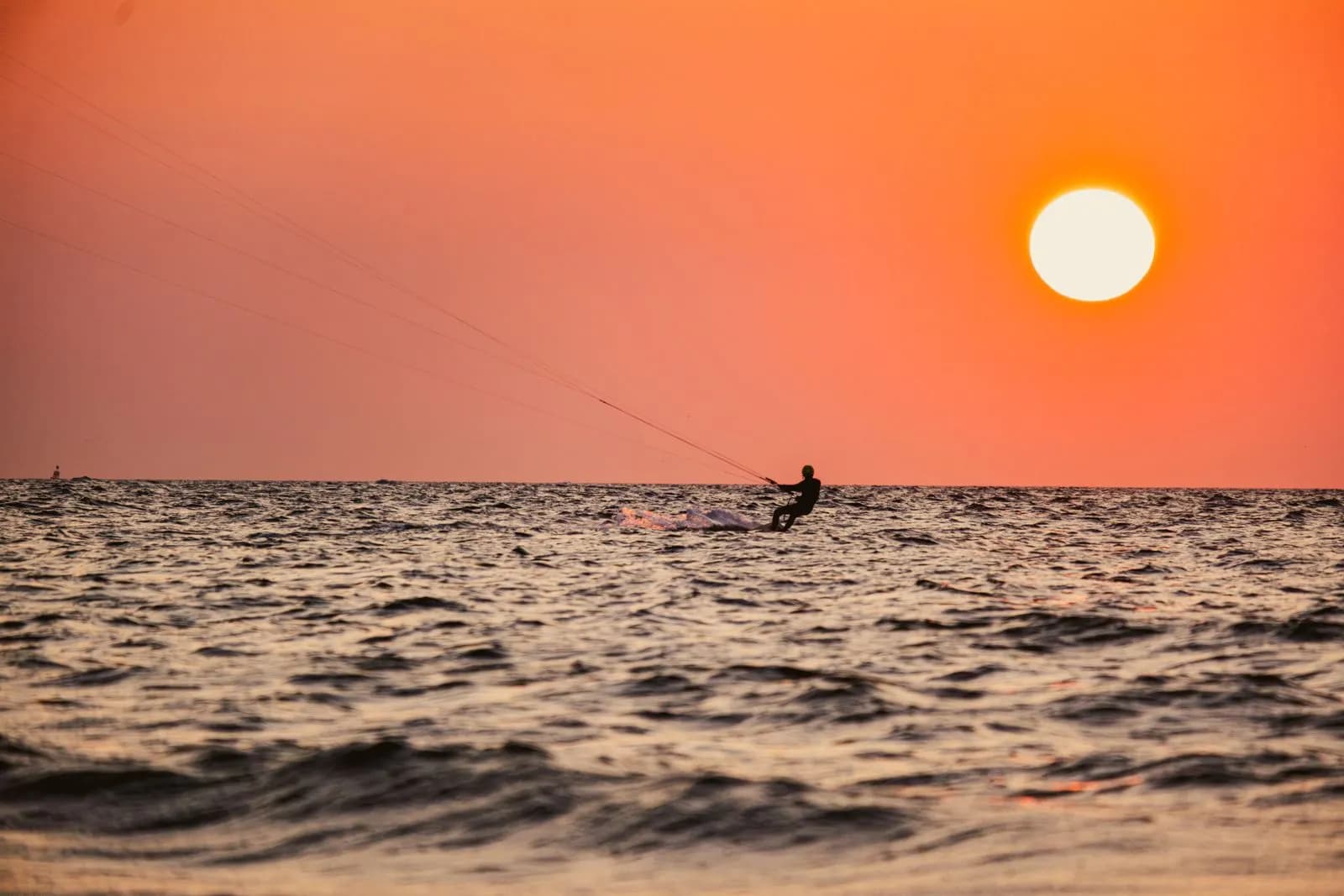
The south east, where the lagoon empties for half the day and the wind made it the best learn to kite spot in East Africa.
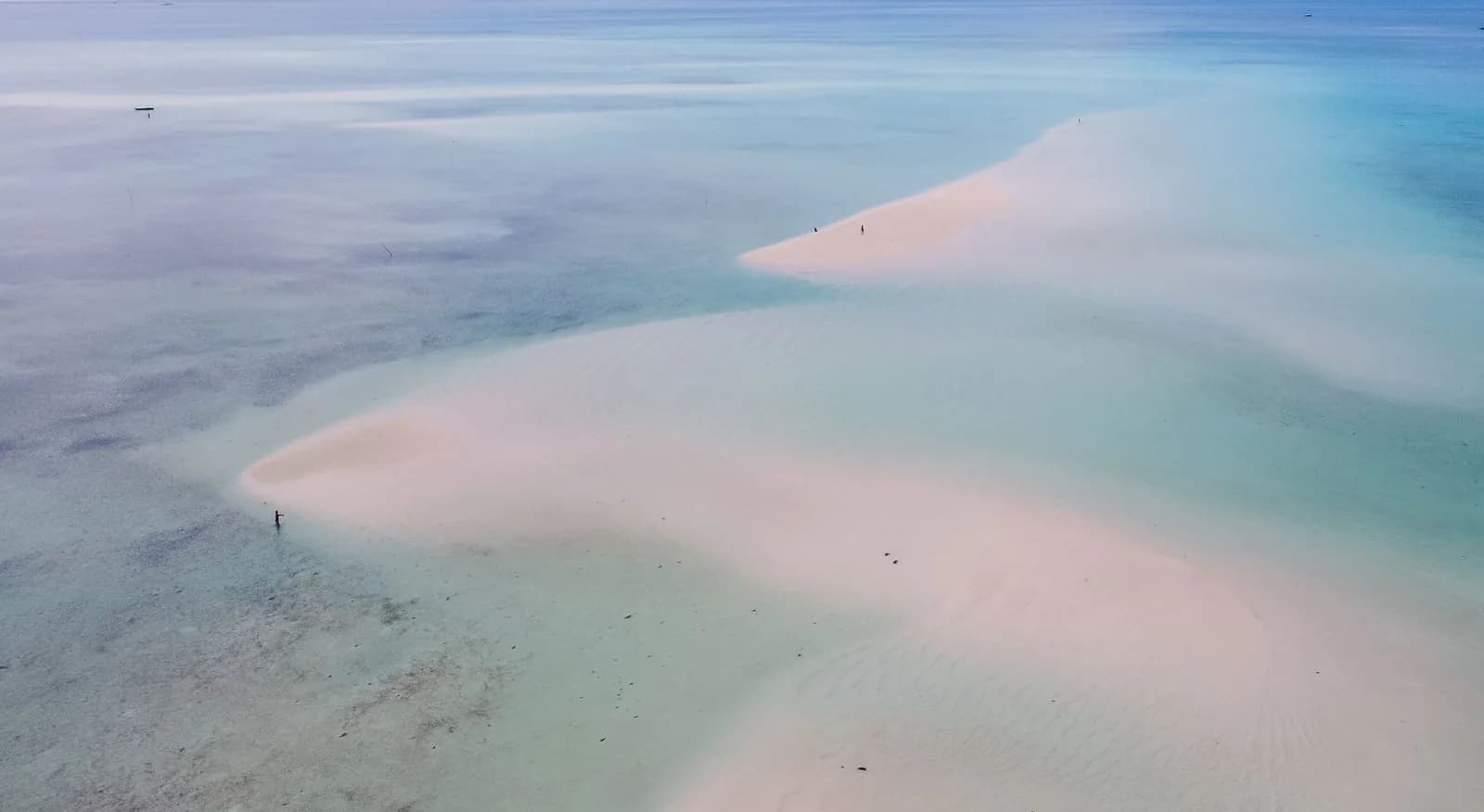
The decision the whole trip turns on, side by side, plus the split stay almost nobody plans.
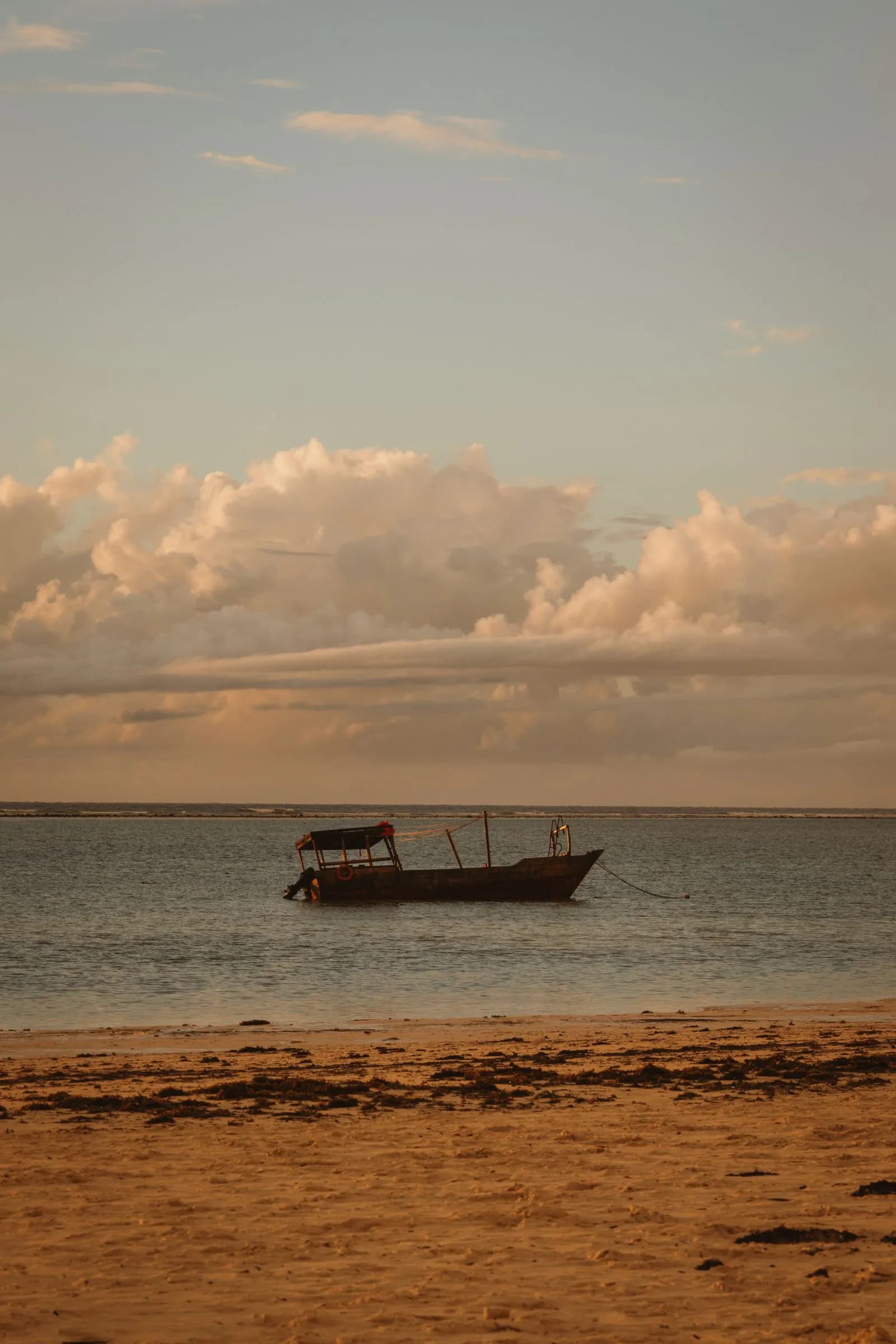
Nungwi's tide and twice the sand, quiet for twenty six days a month and not at all for the other two.
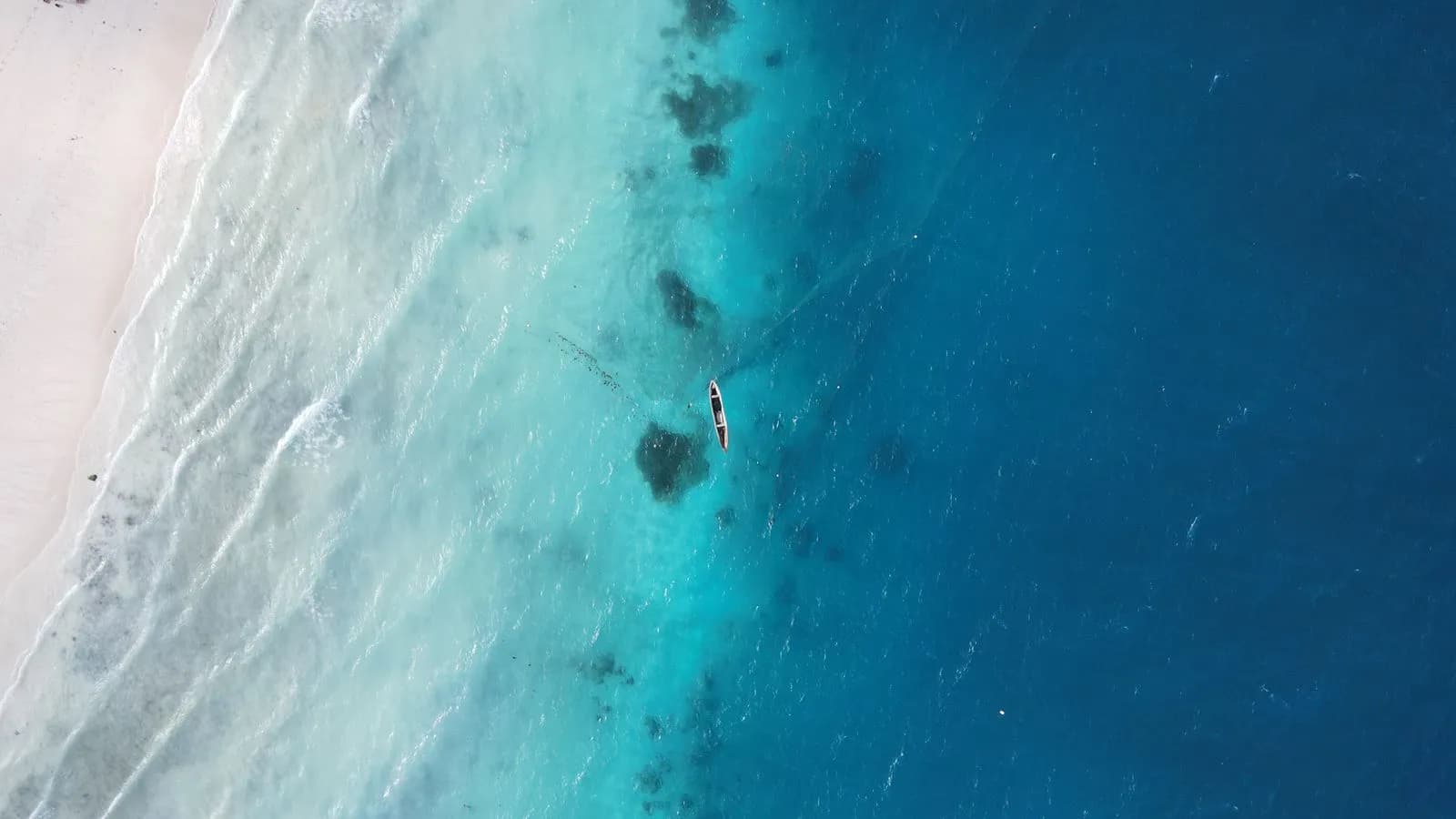
Twenty minutes by boat from the best reef in Zanzibar, and a working fishing village the rest of the day.
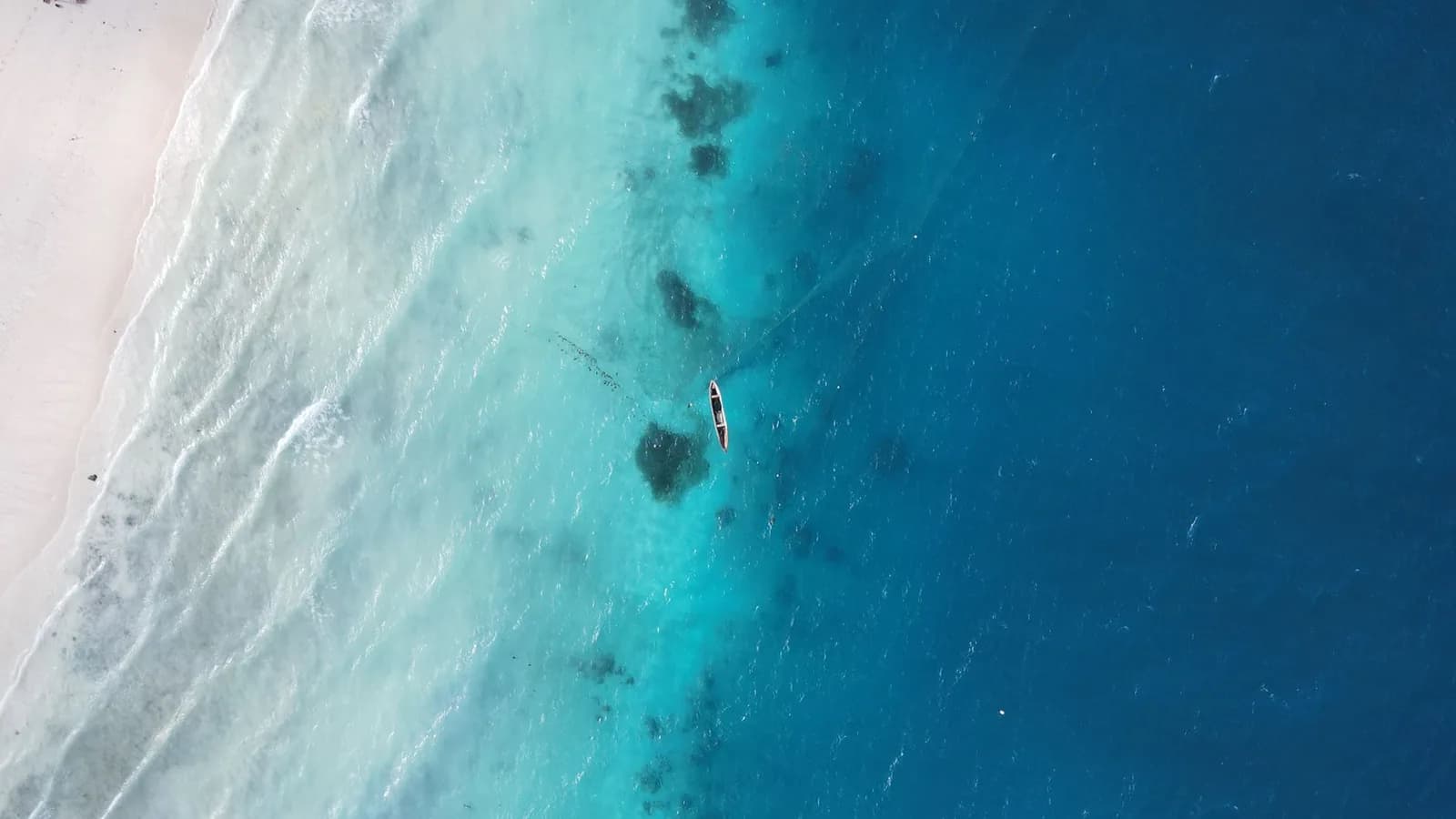
The one bay on the east coast that usually keeps its water at low tide. Small, quiet, and nothing else here.
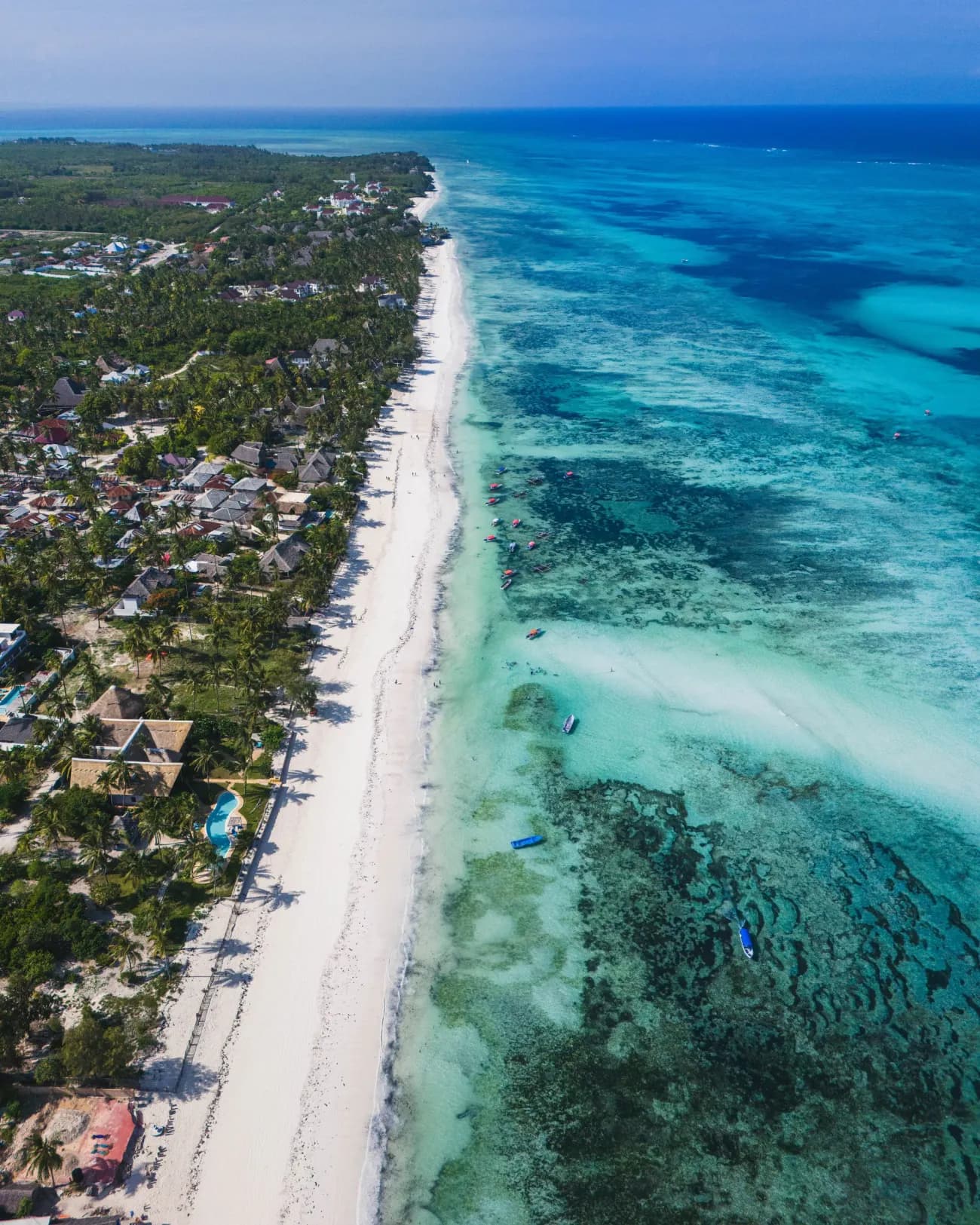
The resort coast, where the pool is not a luxury but the answer to four hours of empty lagoon every day.
The same beach as Paje, cheaper and quieter, and the best place to see how this coast earns a living.
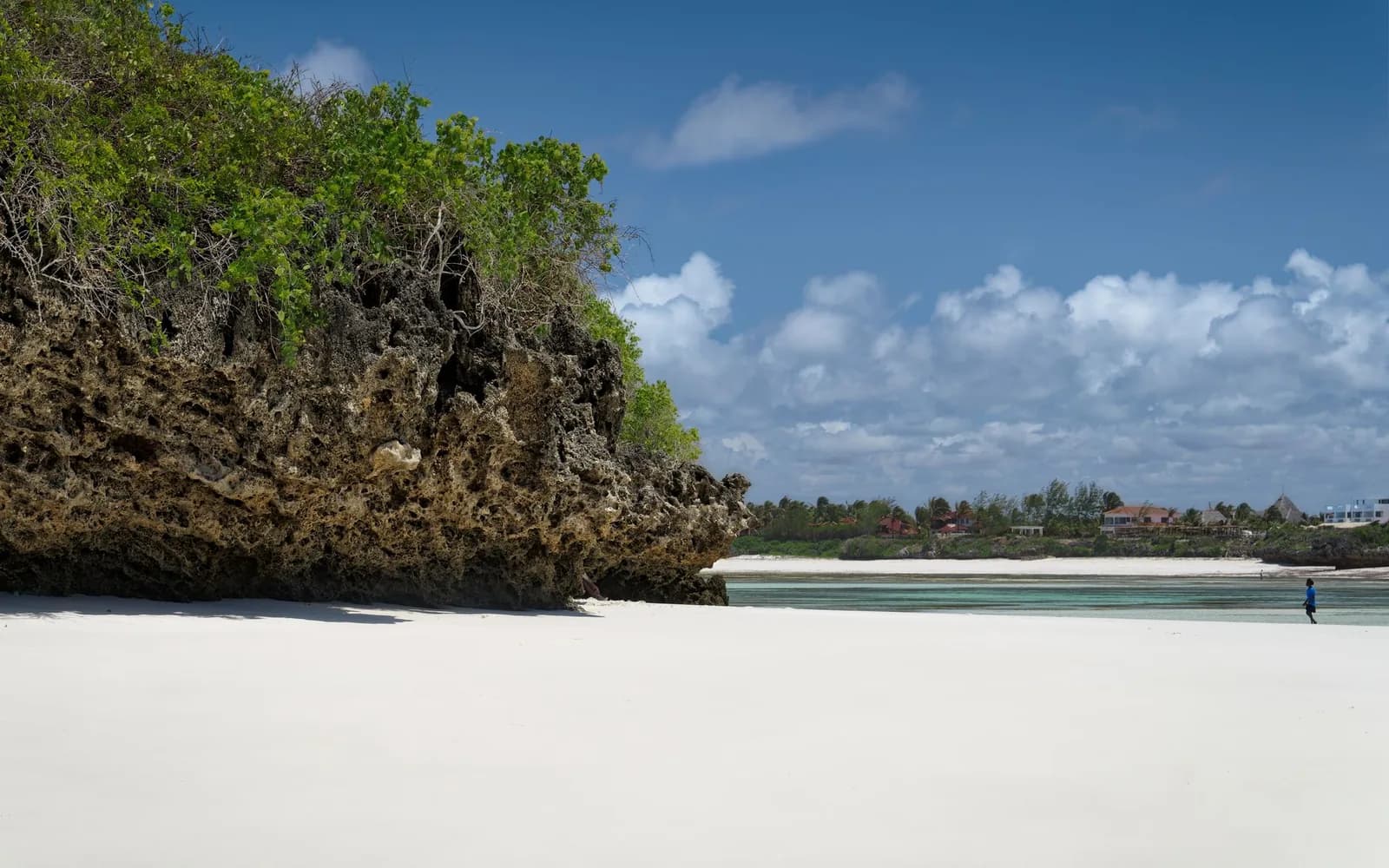
A rock cove at the southern tip, worth timing for low tide: pools and caves when the sea is out, a swim when it comes back.
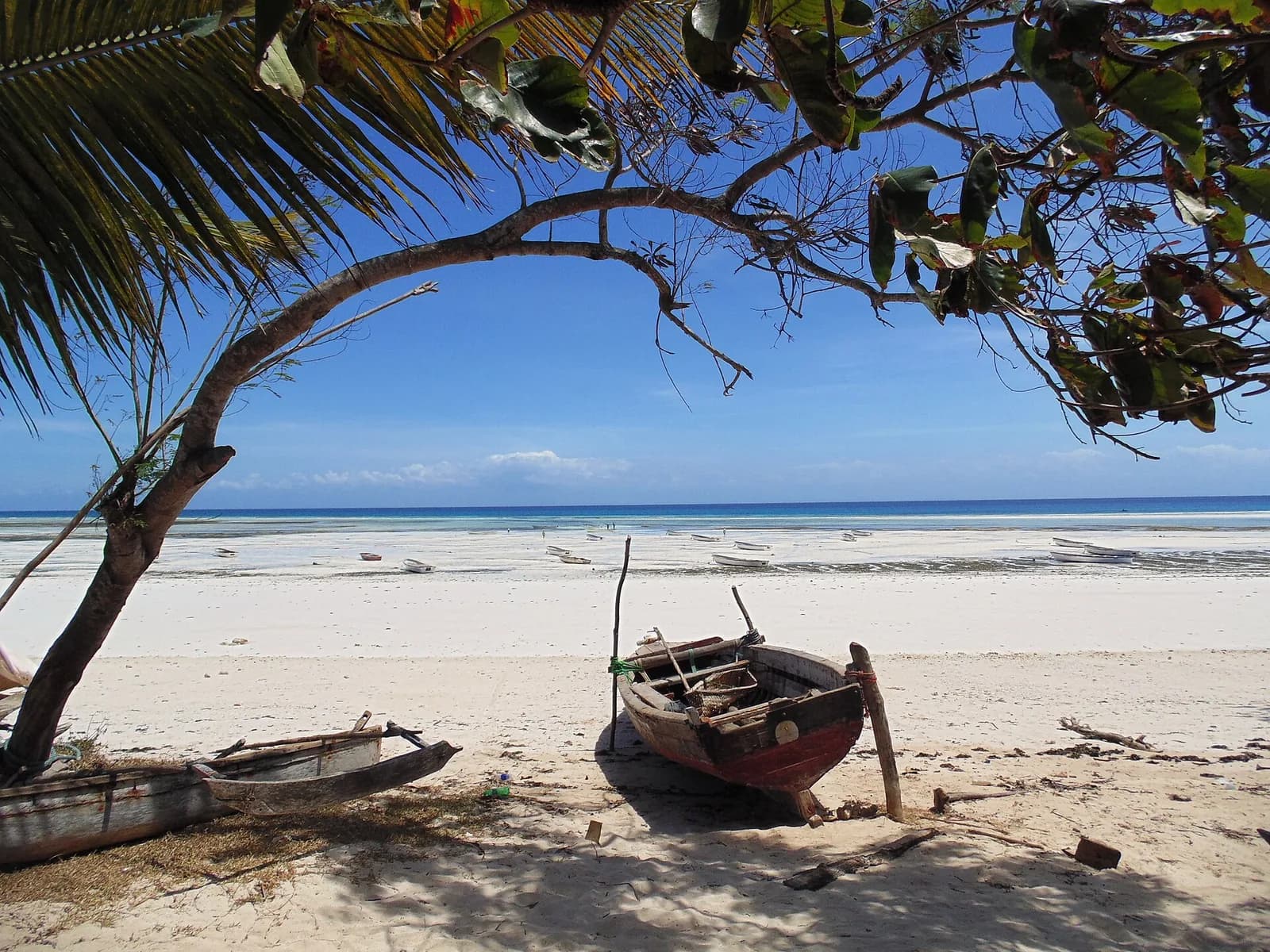
The fishing village of the dolphin boats, facing the sunset, with a mosque that carries a 1107 inscription. Swims around high tide.
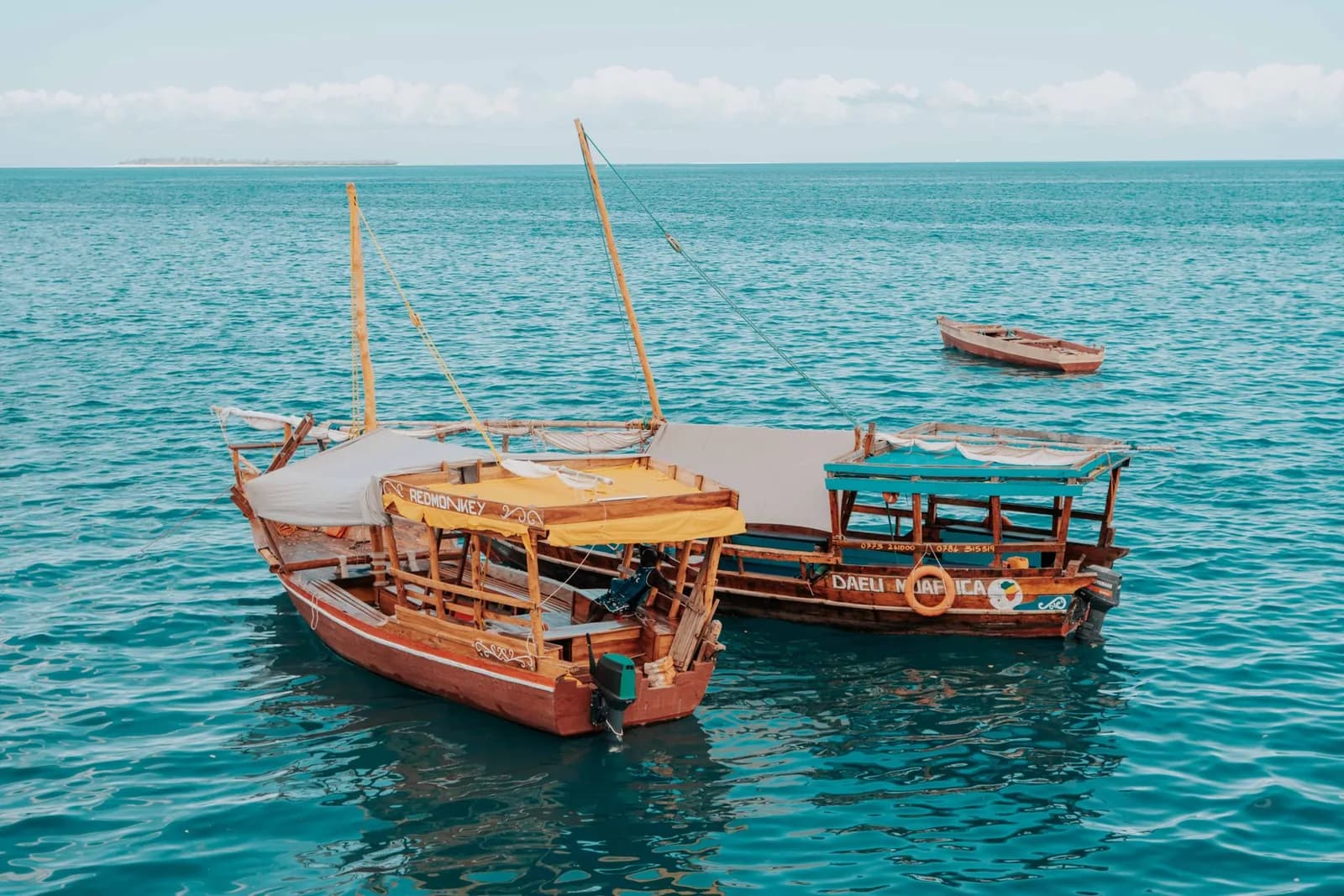
The south west launch for Safari Blue and Menai Bay boat days, with one lodge and a housing project up the coast. Come for the water.
Drive times from the airport to every coast, and why two beaches ten kilometres apart can be different holidays.
Palms, empty sand and nothing to do. Correct for some trips and wrong for most first ones.
If you have been to one of these recently and something here is wrong, tell us.
The northern tip, and it is not close. Children do not consult a tide table, and Nungwi and Kendwa are the only stretch of coast where the sea is there at nine in the morning and still there at four.
Kiwengwa is the alternative and it works for a different reason: the resorts there are built around the tide, with kids' clubs and pools that cover the hours the lagoon is gone. It costs less and needs a hotel with a serious pool.
What does not work with small children is the far east coast. Bwejuu and Jambiani are beautiful and there is nothing to do there for four hours a day.
Matemwe and Pongwe on the north east: small hotels, very few people, and in Pongwe's case water in the bay when the coast either side has drained.
Michamvi, at the tip of the south east peninsula, is the most private and the most isolated. It faces west at its northern end, which gives it a sunset the rest of the east coast does not get.
Kendwa is the compromise. Northern tip swimming, a wide beach, and quiet for most of the month. The honeymoon guide goes further into which hotels and why.
Paje for wind, without argument. The shallow lagoon that makes swimming awkward is the best beginner kitesurfing classroom in East Africa, and there are more schools here per kilometre than anywhere on the continent.
Matemwe for reef. It is the closest land to Mnemba atoll, which is the best snorkelling within reach of Zanzibar and has no close second.
Nungwi for everything else, because that is where the boats are. Dive centres, fishing, sunset cruises and day trips all leave from that beach.
The north, on the balance of risk. A first trip has enough unknowns without adding a tide table, and the northern tip removes that variable at the cost of crowds and money.
The pattern is consistent enough to be worth stating: most people come back from a first trip in the north saying it was busy, and most people who return go east.
If you have ten days or more, do both. They are ninety minutes apart, which is one transfer, and the comparison page sets out how to split it.
It is a question people ask and it has a real answer: the sandbanks. Nakupenda off Stone Town, the bank on the Safari Blue route in Menai Bay, and the shallows around Mnemba.
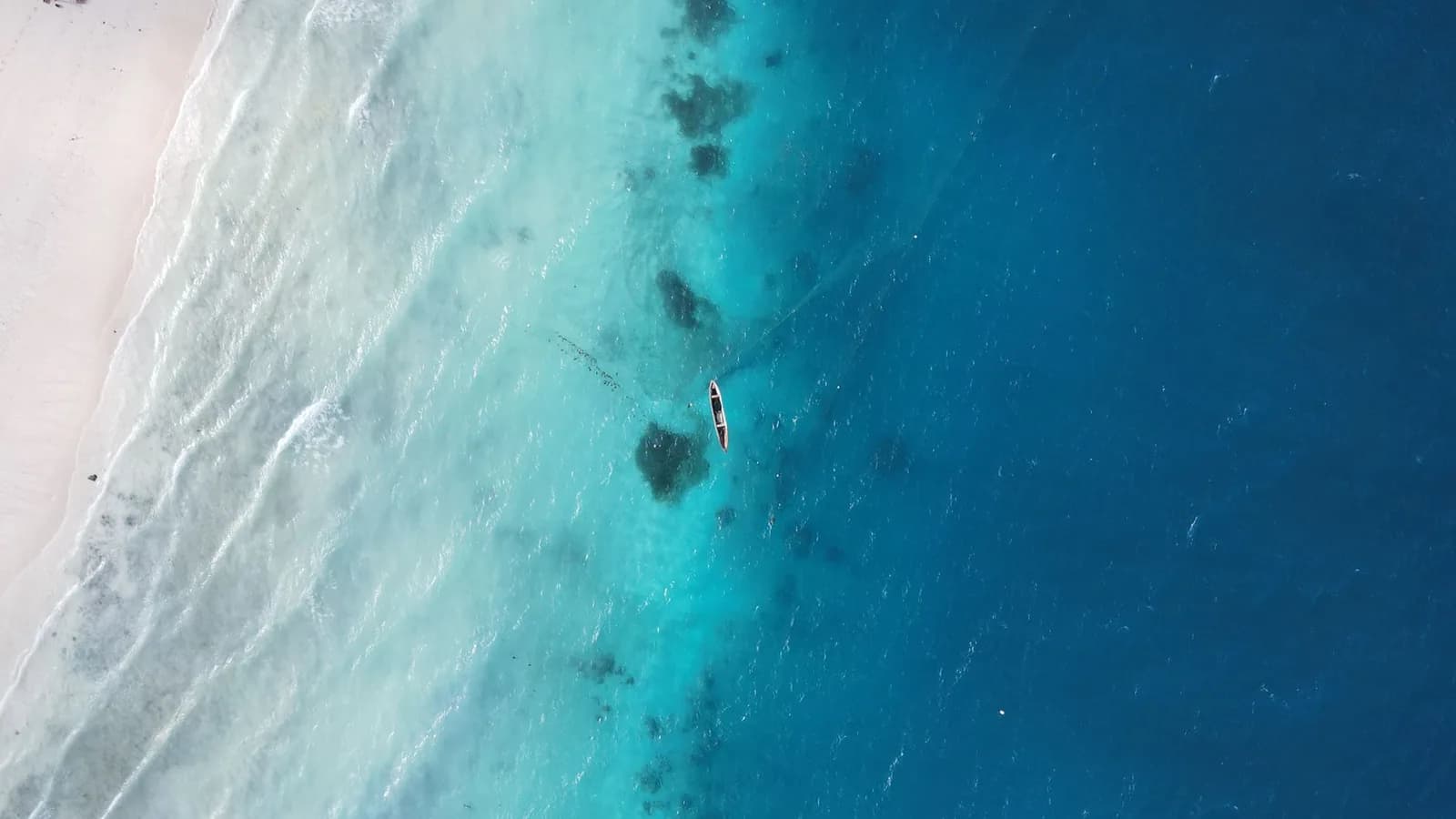
The reason is the bottom. Turquoise comes from white sand under shallow water, and the deeper or darker the seabed the more the colour turns towards blue and then grey.
On the mainland beaches the same effect appears at the top of the tide over the reef flat, which is why the photographs everyone has seen are taken at high water and mid morning.
Swimwear on the sand and at your hotel is entirely normal, including bikinis. Nobody minds and nobody is looking.
Away from the beach, cover shoulders and knees. Zanzibar is around 99 per cent Muslim and the villages behind the hotels are places people live and work. A sarong in the bag solves every situation.
This matters most in Stone Town and in village centres like Jambiani. The safety page covers the rest of the local conventions.
Every list of Zanzibar beaches is written by somebody who had a good week. Five things regularly spoil one, and all of them are avoidable if you know before you book rather than after.
There is no single answer, and any list that gives you one is not paying attention. Nungwi and Kendwa on the northern tip have the best swimming because the tide barely moves there. Paje and Jambiani on the east have the best wind, the lowest prices and a lagoon that disappears twice a day. The right one depends on which of those you care about.
The east coast has the more beautiful sand and the more dramatic water, and it empties out at low tide. The north has the more usable water and the more developed strip. Most first trips are happier in the north and most second trips end up in the east.
Nobody agrees, and the honest answer is that it depends on the tide you can live with. The northern tip is the prettiest to swim from. The south east has the more dramatic landscape twice a day, when the lagoon empties and the flats appear. Stone Town is the only part that is not a beach and is the part most people remember.
Over the sandbanks. Nakupenda off Stone Town, the bank on the Safari Blue route, and the shallows around Mnemba. Turquoise needs white sand under shallow water, which is why every photograph you have seen of this island was taken at high tide over a reef flat.
Yes. There is no meaningful shark risk at any tourist beach, no rip current worth the name inside the reef, and the water is 25 to 29 degrees all year. The genuine hazards are sea urchins on exposed rock at low tide and stonefish, and reef shoes remove both. Currents matter more on the northern tip, where the water is deep off the sand.
The tide on the east coast, which takes the sea away for hours at a time. Seaweed and seagrass in the lagoon, which is the ecosystem rather than dirt. Sea urchins. Beach sellers at the busier beaches. And distances that are short on a map and slow in a car. None of them ruin a trip if you booked the right coast.
Yes, in hotels, resorts, beach bars and licensed restaurants, and it is entirely normal on the tourist beaches. It is not sold in most village shops and drinking in public outside those places is poor form. During Ramadan, expect kitchens and bars to be closed until sunset outside the resorts.
The activities are cheap and the beds are not. Most of what there is to do costs between ten and eighty dollars, food outside the resorts is a few dollars, and taxis are dearer than people expect. Accommodation spans thirty dollars a night in Jambiani to several hundred at Matemwe. A week on the island, flights excluded, runs from about $700 to $2,500 a head.
On the beach and at your hotel, yes, including a bikini. Away from them, shoulders and knees covered is the convention and it applies to men too. Zanzibar is overwhelmingly Muslim and the villages behind the hotels are working places. A sarong covers every situation.
Not at every hour. On the northern tip, yes, all day. On the east and north east coasts, only around high water, which is a window of two to four hours that shifts through the day. This is the single most useful thing to know before booking.
Zanzibar tides: range, times and which beach to pickOn the east coast the sea withdraws several hundred metres twice a day.Read the guideNungwi beach Zanzibar: swimming, hotels and crowdsThe northern tip is the one part of Zanzibar you can swim at any hour.Read the guidePaje beach Zanzibar: wind, tide, prices and barsThe best learn to kite lagoon in East Africa, a real strip of bars and coworking, and a tide that takes the sea out for hours.Read the guideNorth or east coast Zanzibar: which beach to pickThe two coasts are not variations on a theme.Read the guideKendwa beach Zanzibar: swimming, full moon and hotelsThe same tide as Nungwi with twice the sand and a fraction of the noise, except one night a month.Read the guideMatemwe beach Zanzibar: Mnemba, tide and hotelsThe closest land to the best reef in Zanzibar, and a working fishing village the rest of the day.Read the guideKiwengwa beach Zanzibar: resorts, tide and valueThe all inclusive coast, where the pool is not a luxury but the answer to four hours of empty lagoon a day.Read the guideJambiani beach Zanzibar: prices, village and seaweedThe same lagoon as Paje at half the price, with a working village behind it and the seaweed farms that employ most of the women in it.Read the guide