
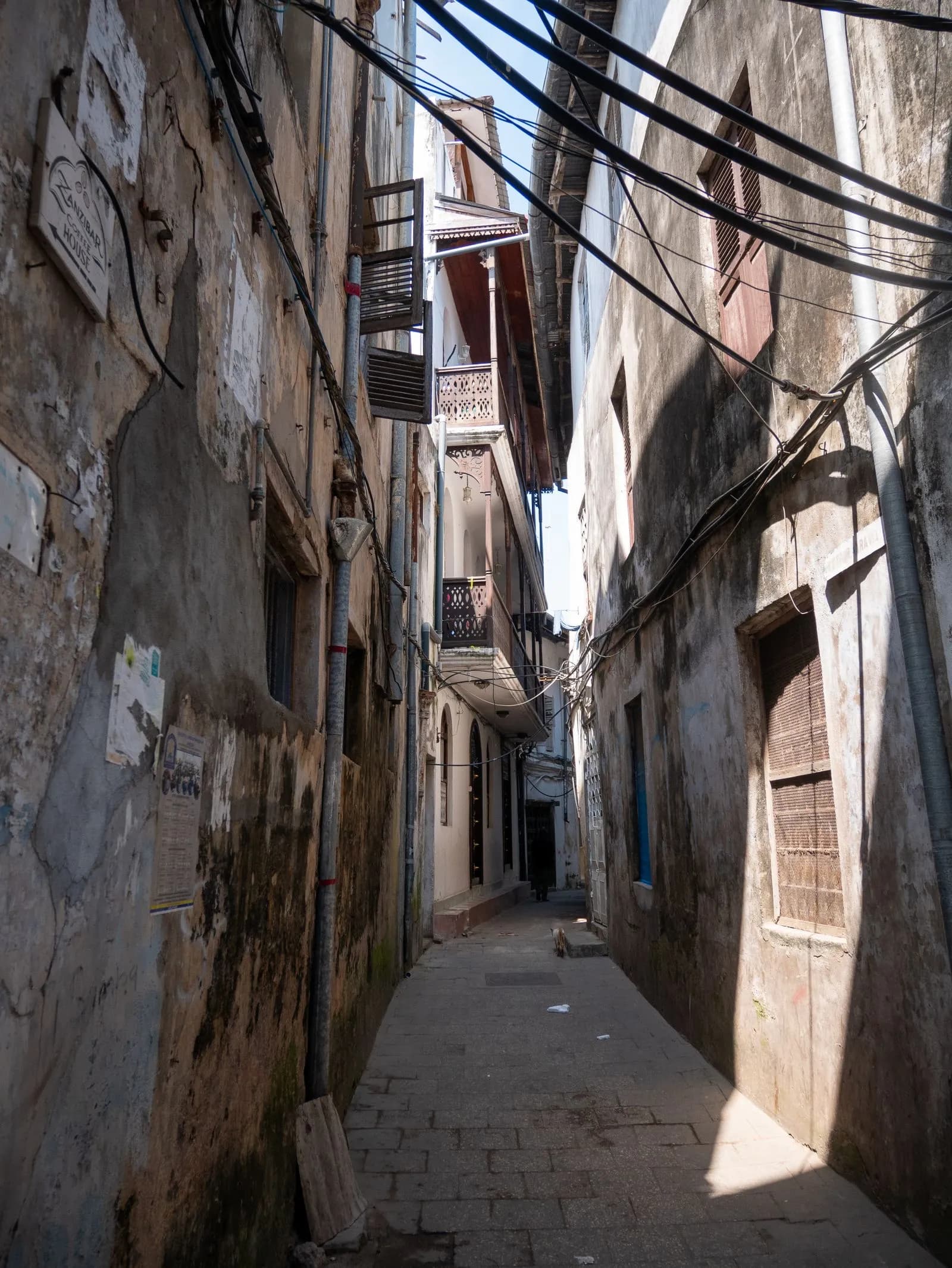
Staying safe in Zanzibar, in four lines
- Sunburn and stomach upsets spoil more trips than crime. In that order, and both are entirely preventable.
- Take a taxi after dark. Two or three dollars, and it removes the one category of theft that actually happens here.
- Wear reef shoes. Sea urchins put more visitors in a clinic on this island than anything else.
- Cover shoulders and knees away from the beach. Not a law, and it changes how you are treated for the whole week.
What actually goes wrong, in order
Ranked by how often it happens rather than how alarming it sounds. The first two account for most of the trips that go badly.
Bag snatching after dark
The most common thing that happensPhones and bags taken from people walking alone at night, usually on quiet stretches of beach or the unlit edges of Stone Town. It is opportunistic rather than violent. Walk in company after dark, take a taxi rather than the beach path, and do not carry what you cannot lose.
The sea
The thing that actually injures peopleThere are no lifeguards. The currents around the reef passes at Nungwi and Kendwa are strong, and the coral cuts. Reef shoes solve half of it. Asking your hotel where it is safe to swim today solves most of the rest, and the answer changes with the tide.
Sun and dehydration
Ruins more days than crimeSix degrees south of the equator, with a sea breeze that hides how hard the sun is working. People burn badly on day one and lose day two. The middle of the day is for shade, and that is why everyone local is inside at noon.
Stomach upsets
Common and usually mildTap water is not drinkable. Stick to bottled or filtered, refuse ice in places that look improvised, and eat where there is turnover. Street food at Forodhani is fine when it is busy and less fine at the end of a slow evening.
Malaria
Present, higher after the rainsZanzibar brought transmission very low, then had an outbreak between November 2023 and March 2024. The mosquitoes bite from dusk. Repellent, long sleeves in the evening, and a conversation with a travel clinic about tablets before you go.
Being fined for something you did not know
AvoidableDriving without the local permit, taking photographs of people without asking, or drinking alcohol outside licensed premises. None of these is dramatic and all of them are avoidable by asking first.
Malaria tablets, vaccines, the yellow fever rule and which hospital to go to are covered in our Zanzibar health guide.
The dress code, which is not a suggestion
Zanzibar is around 99 per cent Muslim. On the beach and inside your hotel, wear what you like. Everywhere else, shoulders and knees covered, for men as well as women.
This matters most in Stone Town and in the villages, which are places people live and work rather than resort frontage. Nobody will be rude about it if you get it wrong, and that is precisely why it is worth getting right. A sarong in the bag covers every situation.
Photographing people, and especially women and children, needs asking first. It is not a legal question, it is a basic one, and the answer is often yes when you ask.
Where the beach papasi come in
Beach touts, known locally as papasi, work the sand at Nungwi, Kendwa and Paje selling boat trips, sunglasses and excursions. They are persistent and they are not dangerous.
A clear no thank you, hapana asante in Swahili, said once and then repeated without engaging in the conversation, ends it. What prolongs it is politeness that reads as hesitation, and buying anything from anyone establishes you as someone worth approaching for the rest of the week.
Book boat trips through your hotel or a known operator rather than off the sand. The difference in price is small and the difference in whether the boat has life jackets is not.
What is not allowed in Zanzibar
Zanzibar is around ninety nine per cent Muslim and semi-autonomous, with its own rules that differ from mainland Tanzania. Almost nothing below is enforced against tourists with any severity. All of it changes how you are treated.
| What | Where it applies |
|---|---|
| Beachwear away from the beach | Shoulders and knees covered in villages, in Stone Town and anywhere off resort sand. Applies to men. A sarong solves every case. |
| Drinking in public | Alcohol is legal and served everywhere a visitor eats. Drinking in the street or on a public beach is not acceptable and is occasionally enforced. |
| Kissing and affection in public | Holding hands is fine. Anything beyond that in a village or in town reads badly. On resort beaches nobody notices or minds. |
| Topless or nude sunbathing | Not acceptable anywhere, including on hotel beaches. This one is genuinely absolute. |
| Photographing people | Ask first, particularly women. A refusal costs you nothing and a photograph taken anyway costs a great deal of goodwill. |
| Same sex relationships | Illegal under Tanzanian law and carrying severe penalties. Prosecutions of visitors are effectively unheard of, and discretion is the practical advice. |
| Plastic bags | Single use plastic bags are banned in Tanzania. Leave them at home, and expect bags to be checked on arrival. |
| Driving without a local permit | A Zanzibar permit is required on top of your own licence, for cars and scooters. Police do check on the main roads. |
| Drugs | Offered on every beach and a very bad idea. Sentences are long and entrapment is not unheard of. |
Can you drink the tap water in Zanzibar
No, and this is the question people ask in the most roundabout ways. The direct answers:
- Do not drink it. Bottled or filtered only, and most hotels provide filtered water in the room precisely so that you do not buy plastic.
- Brushing your teeth with it is fine for most people. If you have a delicate stomach, use bottled for that too, and it costs almost nothing.
- Ice is usually fine in hotels and established restaurants, which buy it made from treated water. In an improvised beach shack, skip it.
- Salad and peeled fruit are the other common culprits. Both are fine anywhere with turnover and worth thinking about anywhere without.
- Bring rehydration sachets. They weigh nothing, they are hard to buy on the island, and they turn a lost two days into a lost afternoon.
Questions people ask about Zanzibar safety
Is Zanzibar safe for tourists?
Yes, on the whole. Violent crime against visitors is rare, and the island depends heavily on tourism, which shapes how visitors are treated. What does happen is opportunistic theft after dark, and the ordinary tropical risks of sun, sea and stomach.
Is Zanzibar safe for solo female travellers?
Broadly yes, and plenty do it. Expect attention and persistent conversation, particularly on the beach at Nungwi and Kendwa. Dressing modestly away from the beach reduces it considerably, and taking taxis rather than walking after dark is the single most useful habit.
What should I wear in Zanzibar?
Swimwear on the beach and at your hotel, covered shoulders and knees everywhere else. Zanzibar is around 99 per cent Muslim and Stone Town is a working town, not a resort. Walking through it in a bikini reads the way it would in any small conservative town, and a sarong solves it entirely.
Can you kiss in public in Zanzibar?
Holding hands is unremarkable. Anything more than that in a village, in Stone Town or on a public beach reads as poor manners rather than as a crime, and it is the kind of thing that quietly changes how you are treated for the rest of the week. On resort beaches nobody notices.
Can I brush my teeth with tap water in Zanzibar?
Most people do without any trouble. Drinking it is a different matter and the answer there is a flat no. If your stomach is easily upset, use bottled water for teeth as well, which costs a few cents a day.
What are the risks of going to Zanzibar?
In order of how often they actually spoil a trip: sunburn, stomach upsets, sea urchins and coral cuts, opportunistic theft after dark, and malaria, which is low but not zero. Violent crime against visitors is rare. Nothing on that list is unusual for a tropical island and all of it is manageable.
Is Zanzibar safe at night?
In lit, busy places yes. What causes problems is walking alone on an unlit beach or through the back lanes of Stone Town after dark, which is where phones and bags get taken. A taxi costs two or three dollars and removes the entire category of risk.
Can you drink alcohol in Zanzibar?
Yes, in hotels, restaurants and bars licensed to serve it, which covers everywhere a visitor is likely to eat. Drinking in the street or on a public beach is not acceptable and is occasionally enforced. During Ramadan, be discreet about it in town.
Do I need vaccinations for Zanzibar?
No vaccination is compulsory unless you arrive from a yellow fever country, which includes layovers of more than 12 hours in Kenya or Ethiopia. Beyond that, a travel clinic will usually suggest being current on hepatitis A, typhoid and tetanus, and will discuss malaria prophylaxis with you.