
Where
The south east coast, 50 km from the airport
Getting there
50 min to 1 h by taxi, $40 to $50
Tidal range
3 to 4 m, the sea goes out 200 to 500 m
Swimming
Around two hours either side of high water
Wind season
June to September, then December to February
Suits
Kitesurfers, remote workers, second trips
Where to stay at Paje
Rooms at Paje
The one east coast beach with a strip behind it. Kite schools, coworking and bars, and rooms from forty dollars. Book early for August.
See places to stay at PajePartner link. The price is the same for you.
Paje in four lines
- The wind, from June to September and December to March. Fifteen to twenty five knots, side onshore, and the best beginner kitesurfing lagoon in East Africa.
- Tide, 3 to 4 metres. The lagoon empties for hours. That is what makes it a kite classroom and what makes it awkward to swim in.
- The one east coast beach with an actual strip. Bars, coworking, restaurants, and other people, which no other beach on this coast has.
- $40 to $200 a night. Cheaper than the north, dearer than Jambiani, and busiest in August.
The tide is the whole story here
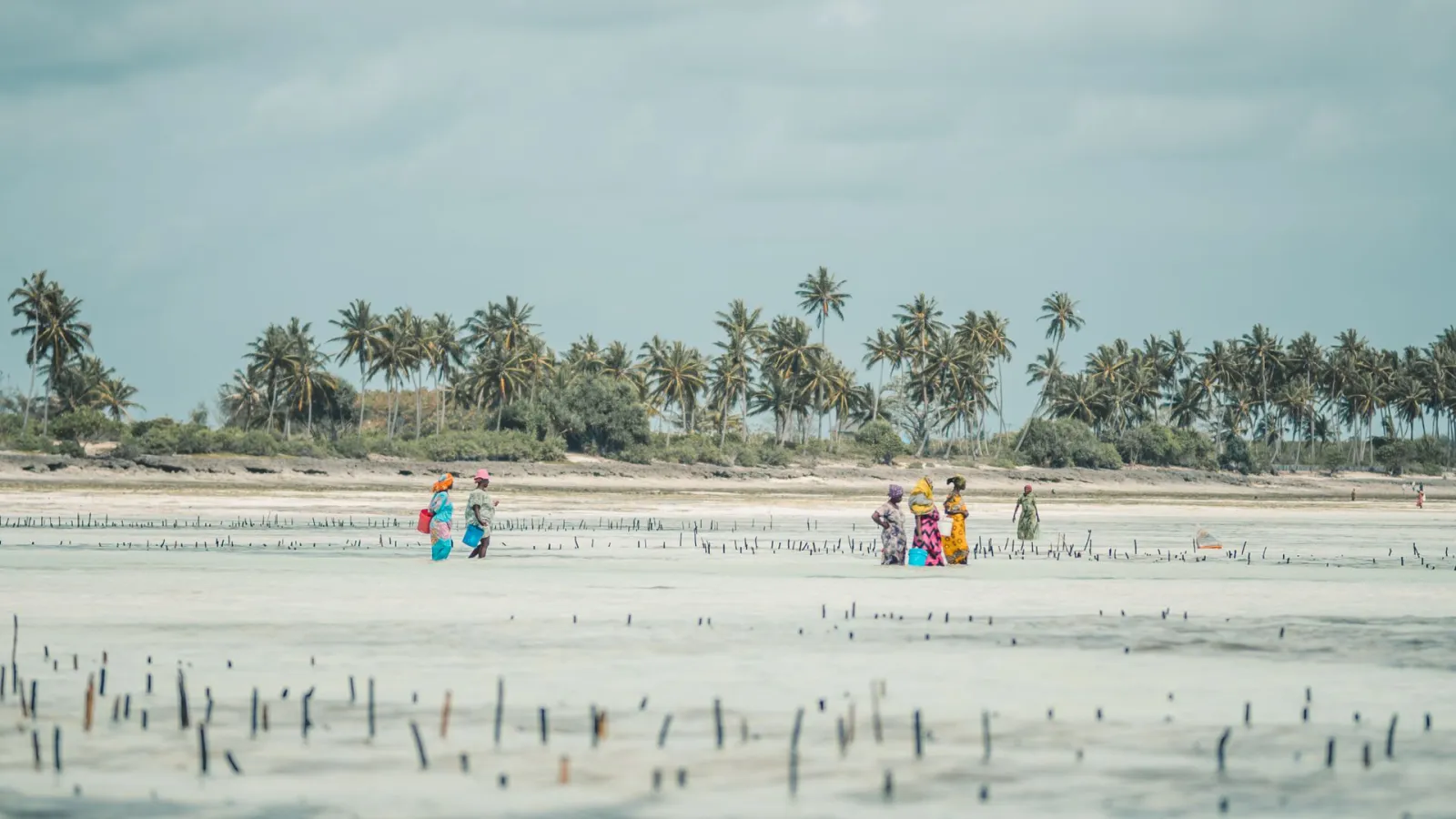
Twice a day the sea walks two to five hundred metres out across a flat of sand and coral, and twice a day it comes back. Swimming happens in the window around high water, roughly two hours either side, and that window moves fifty minutes later every day.
Arriving without knowing this is what generates the disappointed reviews. Knowing it turns the day into a rhythm: swim in the window, walk the flats when the water has gone, and watch the seaweed farmers work the lines that appear when the lagoon drains.
The shallow lagoon is also what makes the kitesurfing work. Falling in waist deep water over sand, with no reef under you, is why beginners come here rather than somewhere with better swimming. How the tide works covers the mechanics.
Eating and drinking
Paje has the best food scene on the east coast, which is a low bar cleared comfortably. Beach restaurants serve grilled seafood, decent pizza and a surprising amount of vegetarian food, at ten to twenty dollars a head.
The village behind the beach has local places at a third of that, and they are where the kite instructors eat.
Evenings are genuinely social here in a way the rest of the east coast is not. Several beach bars run until late and the crowd is a mix of visitors, instructors and people who came for a month and stayed.
Learning to kite, practically
The standard beginner package is nine hours across three days and costs three hundred and fifty to five hundred dollars. That gets most people riding, though not all, and the schools are honest about it.
Lessons happen at mid tide, which means the timetable moves through the week with the water. A school that books you for ten in the morning every day for three days has not thought about it.
Look for two students per instructor at most, a radio helmet, and a recognised certification. Cheaper schools cut the first of those, and it roughly doubles how long the course takes.
What to do when the wind does not blow
It happens, particularly in the shoulder months, and Paje is well placed for it. Jozani forest is twenty minutes inland, The Rock is twenty five minutes south, and Jambiani is a four kilometre walk down the sand.
The low tide flats are their own thing. Walking out at the bottom of the tide, past the seaweed lines and the stranded starfish, is an hour that people remember longer than they expect.
There is also a good deal of nothing, which after three days of being dragged across a lagoon by a kite is not the worst outcome.
For the days without wind
Jozani and the caves are twenty minutes inland, The Rock twenty five minutes south. Pickup from Paje is included on the first two.
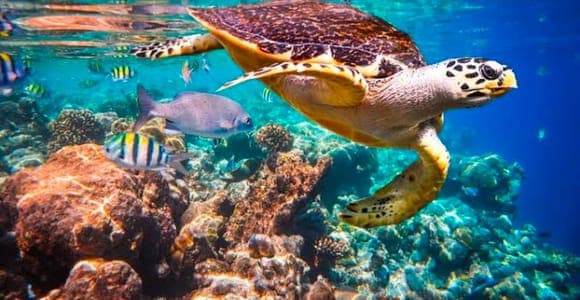
Jozani forest and Salaam Cave, entry fees included
The red colobus in the morning, a swim with turtles in the cave after.
From$80per person
Check availability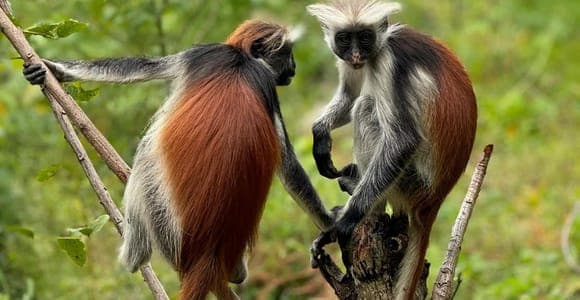
Jozani, Salaam and Maalum caves, back for sunset
A full day inland and in the caves, for when the lagoon has gone out.
From$150per person
Check availability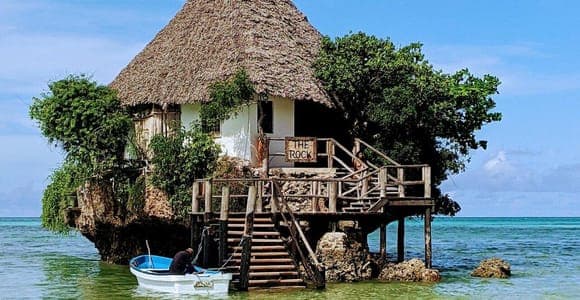
A meal at The Rock Restaurant
A booked table at the restaurant on its rock off Pingwe.
From$21per person
Check availabilityPrices, ratings and review counts read from GetYourGuide on 27 September 2026, and indicative. These are partner links: the price is the same for you.
Staying longer than a week
Paje is the island's remote working capital and it is set up for it. Two or three coworking spaces run their own connections with backup power, and several guesthouses do monthly rates.
The economics work out well. A month here costs less than a week in the north, and the community of people doing the same thing is what keeps them coming back.
The one caution is that it is not quiet. If you wanted the east coast for emptiness, Jambiani four kilometres south is the same beach without the scene.
The verdict
Stay here if
- You kitesurf, or want to learn, because this is where the wind is
- You are working remotely and need a coast built around that
- You want a village with a life of its own rather than a hotel strip
- The rhythm of the tide sounds interesting rather than annoying
Stay elsewhere if
- You want to swim on impulse at any hour of the day
- You are travelling with small children who will not wait for the water
- You dislike wind, because from June to September there is a lot of it
- You expected the postcard, which was taken sixty kilometres north
The village that turned into a workplace
Paje has quietly become the place people come to work from. There are coworking spaces with their own connections and backup power, cafes that expect you to sit for four hours, and enough long stay accommodation to support it.
That gives it a different texture from the resort coasts. The bars have regulars, the kite schools know each other, and a lot of the people on the beach in February were also there in November.
It also means it is not quiet. If the appeal of the east coast was emptiness, Jambiani four kilometres south does the same tide with a quarter of the noise.
Where Paje is, and how to get there
Halfway down the south east coast, about fifty kilometres from the airport and an hour by road. It is one of the shorter transfers on the island, which is worth knowing when the north takes ninety minutes.
A taxi runs forty to fifty dollars for the vehicle. The transfer page has the rates for every coast and the point about there being no meter.
Dala dala run from Stone Town for about a dollar and take rather longer. They work if you are travelling light and not at all if you have a suitcase.
Once you are here, Paje is walkable end to end in twenty minutes. Jambiani is four kilometres south along the sand, which is a pleasant hour at low tide and a five dollar taxi otherwise.
Things to do in Paje
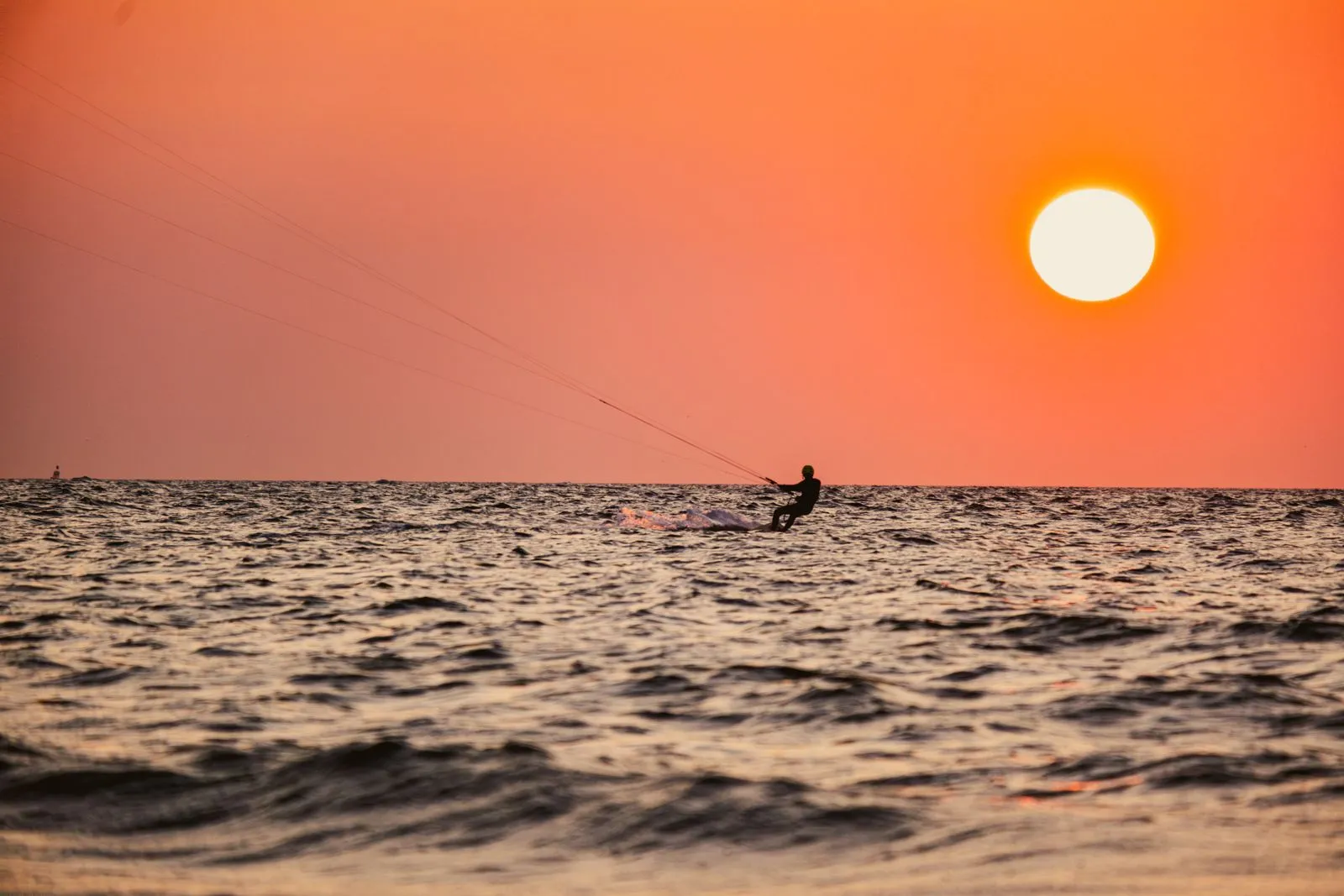
Kitesurfing is the headline and it is genuinely world class for learning, because the lagoon is waist deep over sand for hundreds of metres.
Beyond it, the low tide walk out onto the flats is the thing people remember. The seaweed farms come out of the water, the tidal pools fill with starfish and urchins, and the whole landscape changes twice a day.
Jozani forest is twenty minutes inland and takes two hours. Kuza Cave, eight minutes away in Jambiani, is a cave pool for the hours when the lagoon has drained. The Rock Restaurant is twenty five minutes south. Stone Town is an hour away and works as a day trip.
There is also swimming, in the window around high water, and a good deal of sitting still. Paje does not have a long list of attractions and nobody comes here expecting one.
Where to stay in Paje
Three bands. Guesthouses back from the beach at thirty to fifty dollars, which is where the long stay crowd lives. Beachfront places at eighty to a hundred and fifty. And a handful of smarter hotels above that.
Almost everything is low rise and small. There are no large resorts here, which is a large part of the character and the reason the village still feels like one.
The thing worth checking is the distance to the sand, because Paje spreads back from the beach further than the photographs suggest, and a hundred metres of hot road matters at two in the afternoon.
The wider guide sets out how the coasts compare on price.
How long to spend here
Three or four nights if you are passing through and want a taste of the east coast. That is enough for the tide to make sense, one boat trip and a walk to Jambiani.
A week if you are learning to kite, because the standard course is nine hours across three days and you will want time on the water afterwards.
A month if you are working, which is what a fair number of people here are doing. Guesthouses do monthly rates well below the nightly price.
What does not work is one night. The tide window moves fifty minutes a day, and a single night can easily mean arriving and leaving on an empty lagoon.
What Paje costs
Cheaper than the northern tip and dearer than Jambiani, ten minutes south, and forty minutes from the boats at Kizimkazi. See also a week here for sixty dollars a day. August is the peak, because that is when the wind is.
| What | Low season | August and Christmas |
|---|---|---|
| Hostel bed | $15 to $25 | $25 to $40 |
| Guesthouse, double | $40 to $70 | $70 to $110 |
| Hotel on the sand | $90 to $150 | $150 to $250 |
| Dinner in a beach restaurant | $10 to $18 | $12 to $22 |
| A day of coworking | $8 to $15 | $8 to $15 |
| Kitesurf course, 9 hours | $350 to $420 | $400 to $500 |
| Taxi from the airport | $30 to $40 | $30 to $40 |
Book the kite school before the room in August, because the instructors run out before the beds do. Full details in kitesurfing in Zanzibar, and the whole week is costed in the budget page.
Questions people ask about Paje beach
Can you swim at Paje?
Yes, for about four hours a day, centred on high water. Outside that window the lagoon drains and the sea is several hundred metres out across a flat of sand and coral. It is not a defect, it is what the coast does, and the tide table at your hotel tells you when.
Is Paje good for beginners at kitesurfing?
It is one of the best places in the world to learn. The lagoon is waist deep over a sand bottom for hundreds of metres, the wind is steady rather than gusty, and there are more schools per kilometre here than anywhere else in East Africa. The shallow water is what makes it forgiving.
When is the wind season in Paje?
Two seasons. The kusi, from June to September, is the strong and reliable one and the peak of the kite calendar. The kaskazi, from December to February, is lighter and warmer and suits beginners better. April and May are the flat months.
Is Paje, Zanzibar worth visiting?
Yes, if you want wind, a village with a life of its own and prices a third below the north. No, if you want to swim whenever you feel like it, because the lagoon empties for half of every day. It is the clearest example on the island of a beach that suits some trips completely and others not at all.
What is the best time to visit Paje?
June to September for strong reliable wind and dry weather, which is the peak kite season. December to February for lighter wind, warmer water and a better window for beginners. April and May have no wind and heavy rain, and the schools reduce staff.
Is Paje safe?
Yes, with the ordinary caution of anywhere. The one thing worth knowing is that the beach after dark is where the occasional bag snatching happens, so walk in company or take a taxi. In daylight it is a village where a lot of people know each other.
Is Paje or Jambiani better?
They are four kilometres apart on the same lagoon with the same tide. Paje has the kite schools, the coworking and the bars. Jambiani is quieter, cheaper and closer to village life. People who want to do things stay in Paje, people who want to read a book stay in Jambiani.