
Entrance fee
About $10 or 20,000 TZS, not published officially
Opening hours
Daily, 8.30am to 6.30pm
Pool depth
Up to 3 metres, swimmers only
Time to allow
30 to 60 minutes in the water
Where it is
Jambiani, 8 minutes' drive from Paje
Booking
Not needed for the cave, 20 people at a time
What is Kuza Cave in Zanzibar?
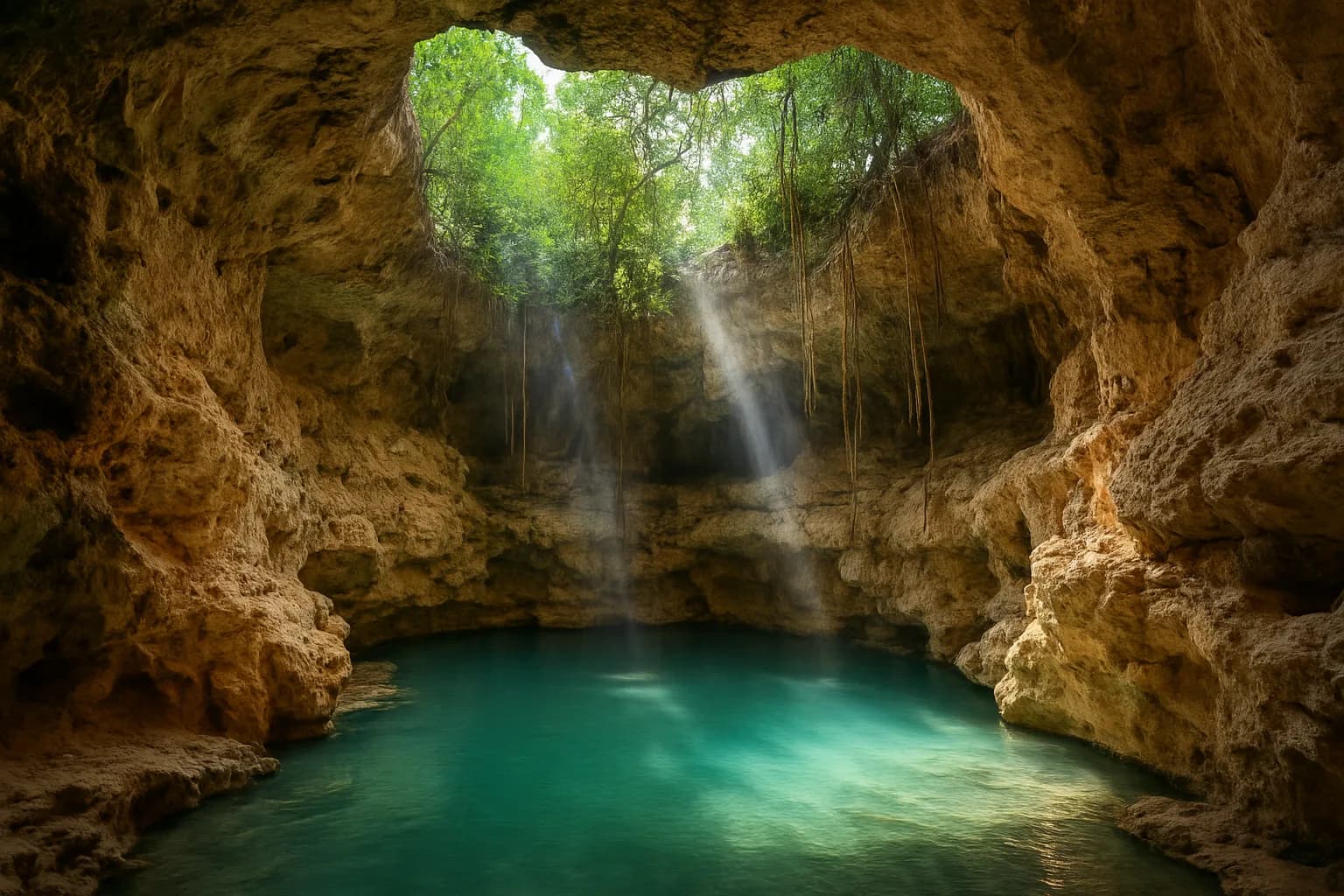
Kuza Cave is a limestone cave whose roof fell in long ago, leaving a pool of clear, turquoise water at the bottom of a rock chamber. It sits in the bush behind Jambiani, on the south east coast, and the water is described locally as fresh, fed from the ground rather than the sea. Nobody publishes an analysis, but it does not taste of salt. You walk five to ten minutes down a jungle path, climb down steps into the cave and swim in water lit from a hole in the roof and a few electric lamps.
It is the best known of the three swimming caves on the south of the island, and the only one run as a community cultural centre rather than a private business. The local name is Panga na Maji, the cave with water. Kuza means to grow in Swahili.
How deep is Kuza Cave?
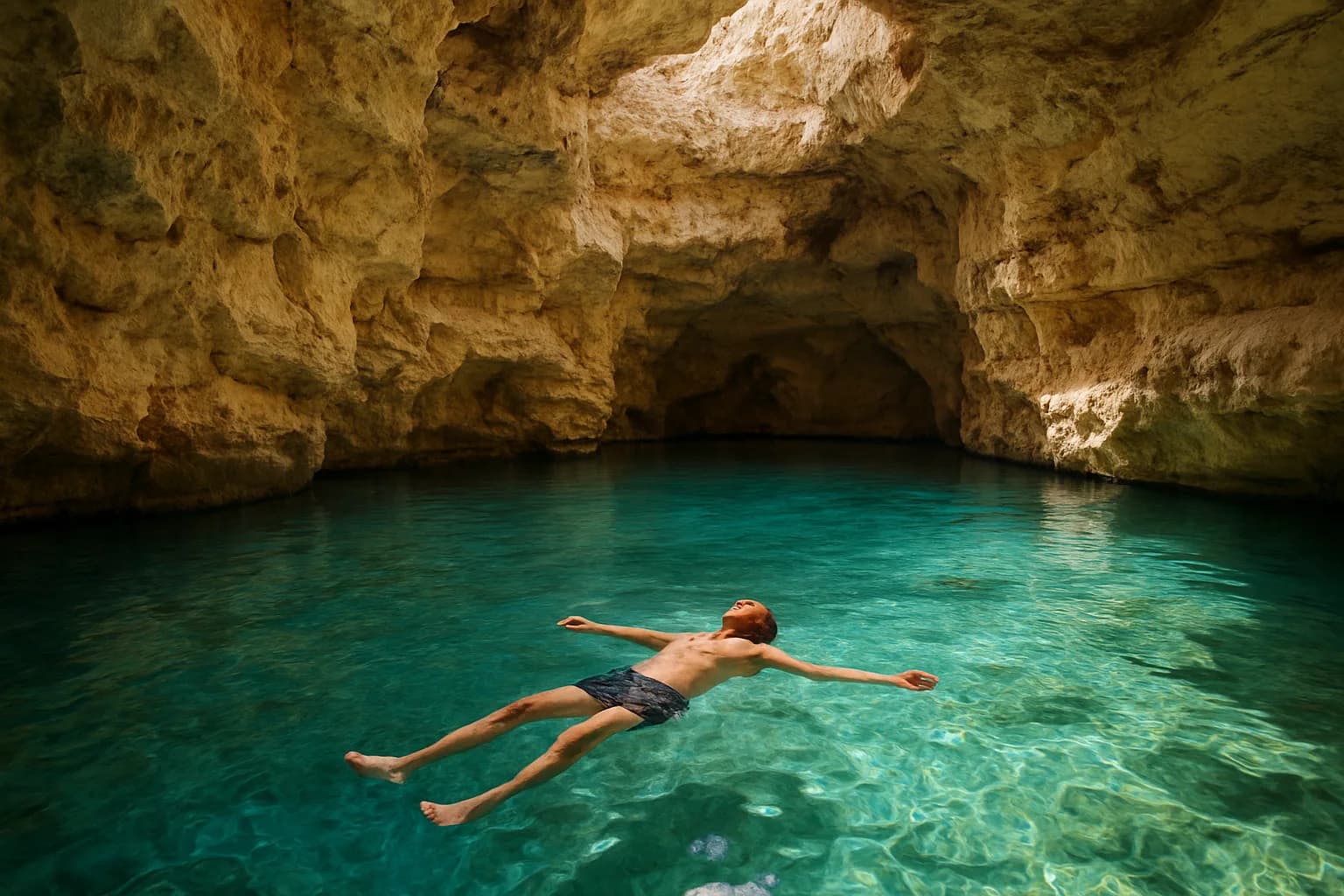
Up to three metres, according to the cave's own site. There is a shallow ledge by the steps and a rope to hold on to, then the floor drops away. Rocks break the surface in places, and the far end, where the cave bends, is dark. If you cannot swim, sit on the edge: the cave itself says non-swimmers should not go in, and that children need an adult beside them because the sides are steep. It is not wheelchair accessible.
Swimming at Kuza Cave: what to bring
- Water shoes. The path is uneven and the rocks in the pool are sharp.
- A mask. The water is clear enough to make it worth it. Masks, shoes and towels can be rented on site.
- Cash. Cards are sometimes refused. Carry both shillings and dollars.
- A waterproof torch, if you want to look into the dark end of the cave.
Staff keep an eye on bags while you swim. Thirty minutes to an hour is enough in the water. Allow longer if you stay for a workshop or lunch.
Kuza Cave entrance fee and opening hours in 2026
The cave is open every day from 8.30am to 6.30pm, according to its official website in October 2026. Older guides give 8am to 6pm, or 5pm.
The entry price is the one thing the official site does not show. Visitors and guides have consistently reported around $10, or 20,000 shillings, from 2021 to 2025, with children under six free and teenagers at half price in older reports. A reseller lists a ticket at $13. Treat $10 as the likely gate price and check it on arrival.
You do not need to book to swim. The cave allows twenty people at a time, so when a tour group arrives you wait outside until they leave. Mid morning and lunchtime are the busy hours. First thing after opening and the last hour before closing are the quiet ones.
Kuza Cave music nights, drumming and workshops
The centre is more than a pool. Its site lists daytime workshops with their prices: a Swahili cooking class at $30 (two hours, lunch included), drumming at $10, dance at $5 to $10, and painting, beadwork and carving from $20 to $30. Part of what you pay goes to the village nursery school and its meals.
Your cave ticket also covers a small museum: a traditional Swahili house, objects found in the cave and a wall map of East African history. The centre sells a Cave and Culture Day that combines the swim, a cooking lesson with lunch, and a drumming session, with pickup from Stone Town included. Its price is not published, so ask for a quote.
The evening side is a dinner theatre, with Swahili food, drumming and dance, that has to be booked ahead. The cave publishes no fixed night and no price for it, and older reports call it a Swahili night. Musicians also drop by during the day almost every day, informally. If an evening at the cave is the reason you are going, message the centre through its website a few days before and ask which night it runs that week.
Kuza, Maalum or Salaam: which Zanzibar cave to swim in
Three caves on the south of the island sell the same picture of turquoise water under rock. They are not the same outing.
| Cave | Where | Entry | Booking | What it is like |
|---|---|---|---|---|
| Kuza Cave | Jambiani, 1 h from Stone Town | About $10 | Walk in, wait if 20 are already inside | Natural collapsed cave, jungle path, cultural centre |
| Maalum Cave | Paje | About $20 | Book a slot, 90 minutes | Private, landscaped, lockers, showers, restaurant |
| Salaam Cave | Kizimkazi, south tip | About $12 to $15 | Pay at the gate or as part of a tour | Cave pool with captive sea turtles |
None of the three caves publishes its price. Figures from visitor reviews and listings in 2025 and 2026: check at the gate.
Maalum Cave in Paje
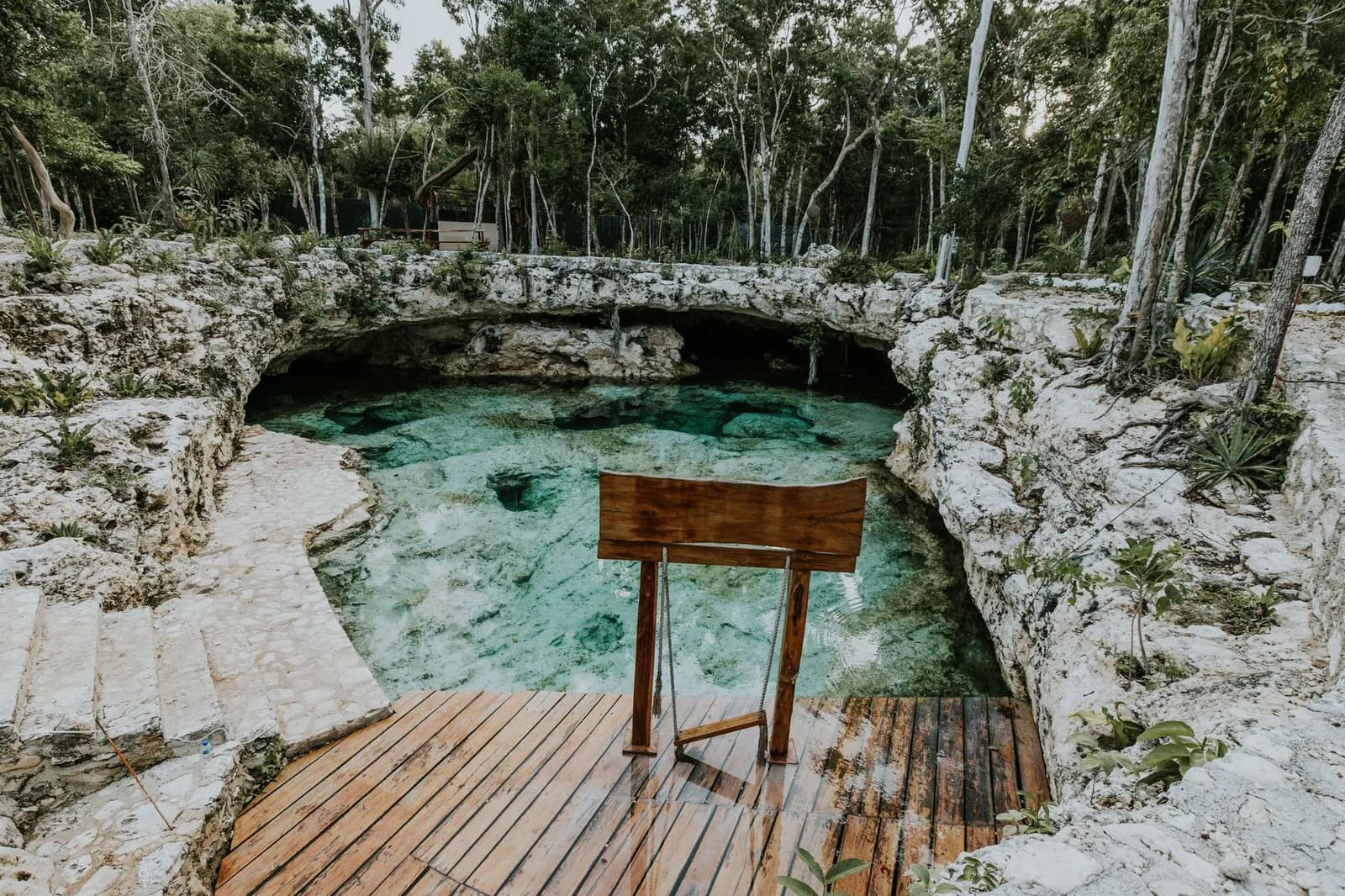
Maalum is a private cave pool on the edge of Paje, a few minutes from Kuza. The water is clear and described as fresh, and the site around it is built for visitors: a platform, lockers, a compulsory shower before you go in, a restaurant and massages. Reviews from 2025 put the price at about $20, with towel, goggles and shoes included, for a 90 minute slot that you book in advance because numbers are capped. It is the more comfortable choice, and the more staged one.
Salaam Cave in Kizimkazi
Salaam is near Kizimkazi, the fishing village at the south tip where the dolphin boats leave from. What it sells is a swim with sea turtles kept in the cave pool, for around $12 to $15 according to listings, often included in tours. Visitors have raised concerns about crowding and how the turtles are kept and fed. We would not send you there for the turtles: wild ones are easy to see on a reef snorkel, as the Zanzibar wildlife page explains.
Zanzibar cave tours with transport
Worth it if you are staying in Stone Town or on the north coast and do not want to arrange a driver. From Paje or Jambiani, a taxi to the cave is cheaper. Prices, ratings and review counts as the partner lists them, read on the date shown below the cards.
Kuza Cave and lunch at The Rock
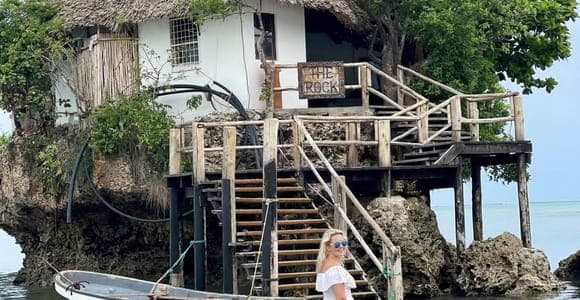
A fifty metre cenote in the jungle, then the table on the rock, private.
From$100per person
Check availability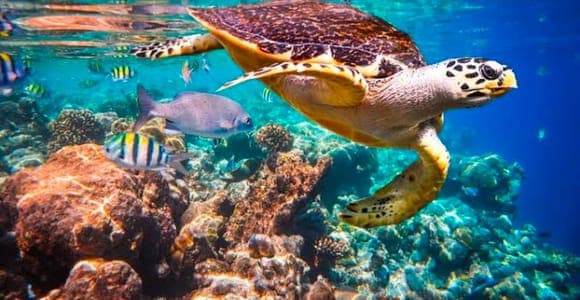
Jozani forest and Salaam Cave, entry fees included
The red colobus in the morning, a swim with turtles in the cave after.
From$80per person
Check availability
Jozani, Salaam and Maalum caves, back for sunset
A full day inland and in the caves, for when the lagoon has gone out.
From$150per person
Check availabilityPrices, ratings and review counts read from GetYourGuide on 27 September 2026, and indicative. These are partner links: the price is the same for you.
Kuza Cave history: what is real and what is staged for Instagram
The geology is real. Zanzibar sits on old coral limestone, rainwater dissolves it, and where the roof of a cavity gives way you get a sinkhole with water at the bottom, the same thing Mexico calls a cenote. Kuza, Maalum and Salaam are all versions of it.
The traditional use is told rather than documented. Guides at Kuza say the cave was a place for spiritual ceremonies and wishes, that its use faded as Islam spread, and that water from the pool was carried to the sea to bring the fish back. That is oral tradition, and it is presented that way on site.
The polish is newer. The cave's website now sells its “ancient healing waters”and announces a natural spa. The showcaves.com directory calls the healing legends unfounded. Visitors are offered wishing rituals. At Maalum the cave is framed by decking, lockers and a restaurant built for the photograph, and Salaam's turtles are captive animals put there to draw visitors. None of that makes the swim worse. You just know which part is the cave and which part was added for the camera.
Before you post
Is Kuza Cave worth it?
Yes, as a stop rather than a destination. If you are staying in Jambiani, Paje or Bwejuu, it is an hour well spent, eight minutes away, and ten dollars. It is the most natural of the three caves and the only one where your ticket helps a school. It is not worth driving an hour from Stone Town for a single swim: pair it with Jozani Forest, twenty minutes inland, or with lunch at The Rock.
The let-downs reported by visitors are the queue when a group is inside, the cold for some swimmers, and a pool that is smaller than wide-angle photos suggest. Go early and you avoid the first.
Kuza Cave at low tide: the plan B when the sea goes out
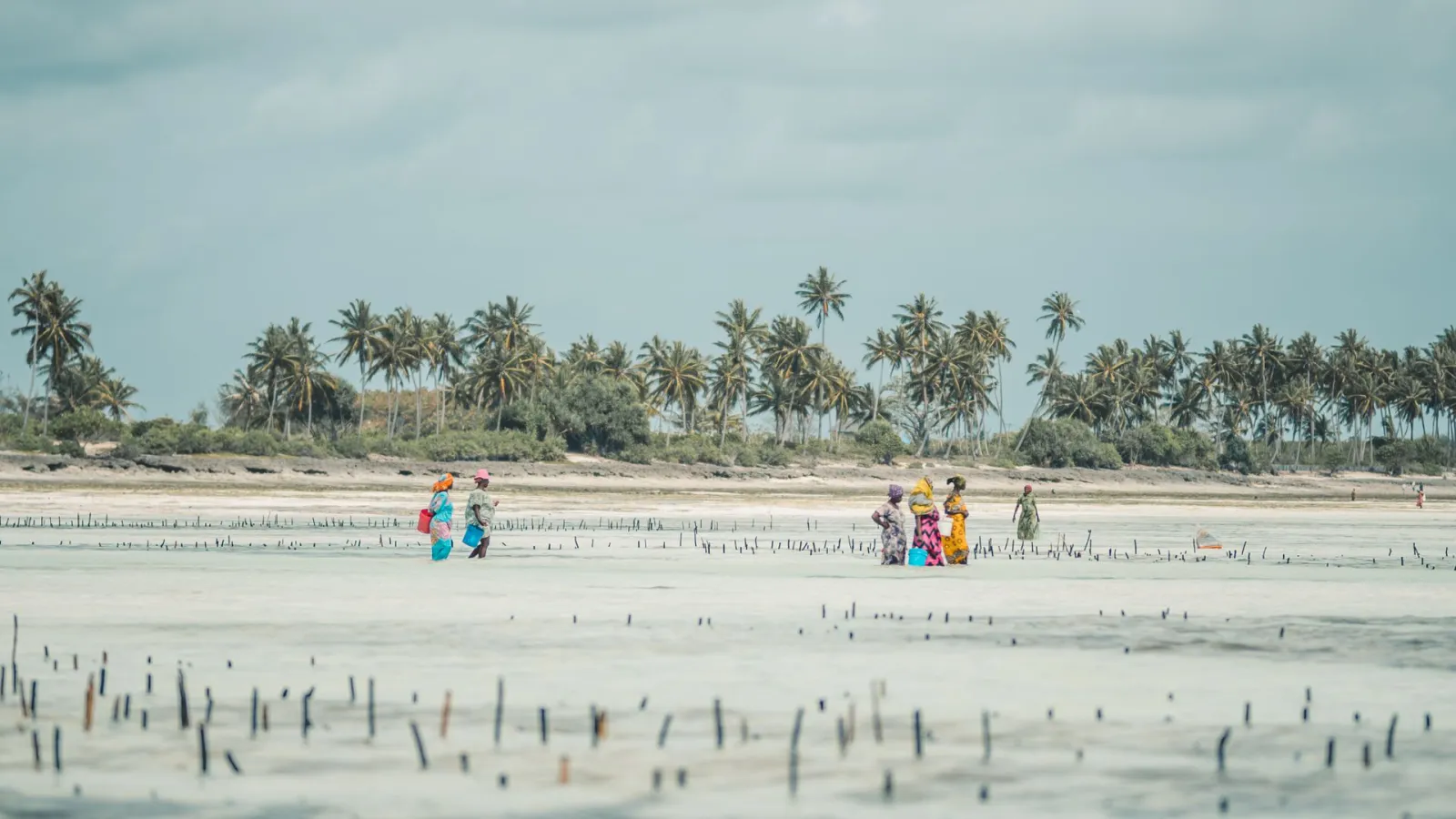
On the south east coast the sea withdraws several hundred metres twice a day. At low tide the lagoon in front of Jambiani and Paje turns into wet sand, seaweed farms and ankle-deep pools, and there is nowhere to swim for a few hours. Our Zanzibar tides page explains why and how to read the table.
The cave sits in the bush, away from the shore, and its pool is not tidal. No source we found ties it to the sea, so you can swim there whatever the tide is doing. That is the practical case for Kuza: check the tide table the day before, and save the cave for the hours when the beach is a mudflat. Keep high tide for the lagoon.
Getting to Kuza Cave from Paje, Jambiani and Stone Town
The cave is at Kibigija, on the Jambiani side of the main coast road. Coming from Paje or Stone Town, turn right at the Kuza Cave sign near Jambiani Plaza and follow a dirt track for a few hundred metres. Most taxi drivers know it.
- From Paje: about 8 minutes by car.
- From Jambiani village: a few minutes by taxi or bajaji, or a long walk in the heat.
- From Stone Town: about an hour by car.
- From the north coast: allow well over an hour each way, which is where a tour with transport makes sense.
Kuza Cave, Jambiani, Paje and Kizimkazi in one day
The four sit on the same road along the south east coast, so they make an easy day by taxi or with a driver. Build it around the tide, not the other way round.
Morning: Kizimkazi
The dolphin boats leave early, and Kizimkazi is about forty minutes south of Jambiani. Read the Kizimkazi dolphins page first: watch from the boat, do not pay for a trip that chases them into the water.
Midday: Kuza Cave and lunch in Jambiani
Drive back up the coast and swim at Kuza while the groups have lunch, or stay for the cooking class and eat what you make. Jambiani has cheap local restaurants along the beach if you would rather eat by the water.
Afternoon: Paje at high tide
Finish in Paje, eight minutes north, when the water has come back in: swim, watch the kitesurfers and stay for a drink at sunset. If the tide is out all afternoon, swap the order and keep the cave for late in the day.
Questions people ask about Kuza Cave
What is Kuza Cave in Zanzibar?
A collapsed limestone cave in the bush behind Jambiani, on the south east coast, with a clear pool you can swim in. The water is described locally as fresh. The cave is run by a cultural centre that also offers drumming, cooking and craft workshops, and puts part of its income into the village nursery school.
What is the entrance fee for Kuza Cave?
Around $10, or 20,000 Tanzanian shillings, according to visitors and guides between 2021 and 2025. The official website does not publish the entry price, so take cash in both currencies and check at the gate. Children under six have been let in free and under-18s at half price, but that comes from older reports.
How deep is Kuza Cave?
Up to three metres, according to the cave's own website. There is a shallow section near the steps and a rope to hold, but most of the pool is out of your depth. People who cannot swim should stay out of the water, and children need an adult beside them because the edges are steep.
Is Kuza Cave worth it?
Yes, as a one hour stop when you are already on the south east coast, and especially on a low tide afternoon when the lagoon at Jambiani or Paje has drained. It is not worth an hour's drive from Stone Town on its own. Combine it with The Rock, Jozani or a day on the south coast.
What time does Kuza Cave open?
Every day from 8.30am to 6.30pm, according to the official website in October 2026. Older guides give 8am to 6pm or 5pm. Go early or late afternoon: the cave holds twenty people at a time and tour groups tend to arrive mid morning and around lunch.
Maalum Cave or Kuza Cave: which is better?
Kuza if you want the cave as it is, cheaper and without booking. Maalum if you want lockers, showers, a restaurant and a guaranteed slot, and do not mind paying about double. Both are within ten minutes of Paje, so the choice is about atmosphere rather than distance.
Can you swim with turtles in Salaam Cave?
Yes, that is what Salaam Cave sells. The turtles live in the cave pool rather than in the sea, and visitors have raised concerns about crowding and how they are kept. If you want to see sea turtles, a snorkelling trip on the reef shows them free, which is what our wildlife page recommends.
What should I bring to Kuza Cave?
Swimwear, a towel, water shoes for the rocks and the uneven path, and cash. A mask is useful because the water is clear. The cave says you can rent shoes, masks and towels on site, and staff will watch your bag while you swim.