Entrance
About $5, reported $3 to $5
Opening hours
Reported 9am to 4pm or 6pm
Time needed
30 to 45 minutes
Built
Between 1870 and 1888, for Sultan Barghash
Water inside
None, the baths closed in the 1920s
Where
Hamamni Street, central Stone Town
Hamamni Persian Baths entrance fee and opening hours
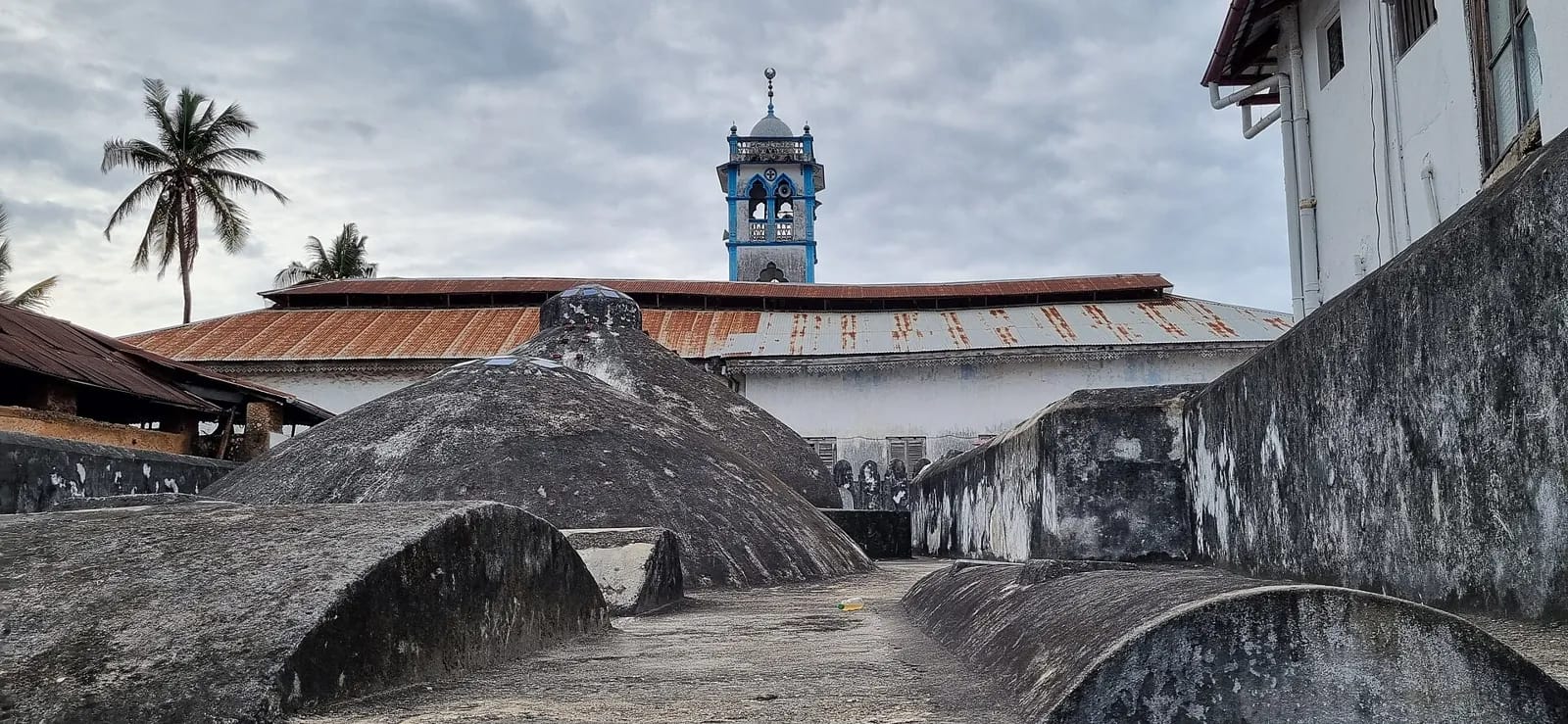
Header photo: the domed roofs of the Hamamni baths. Nassima Chahboun, CC BY-SA 4.0, via Wikimedia Commons.
The Hamamni Persian Baths are open to visitors, and the entrance costs about $5 per person. Nobody publishes an official price, so treat that as a guide: travellers report anything from $3 to $5, the lower figure usually when a local guide brings you in. Bring cash, in dollars or shillings.
Hours are just as loose. One listing gives 9am to 4pm, others 9am to 6pm, every day. The simple rule is to arrive before 4pm, and the best time is first thing in the morning, when the rooms are cool and you may have them to yourself.
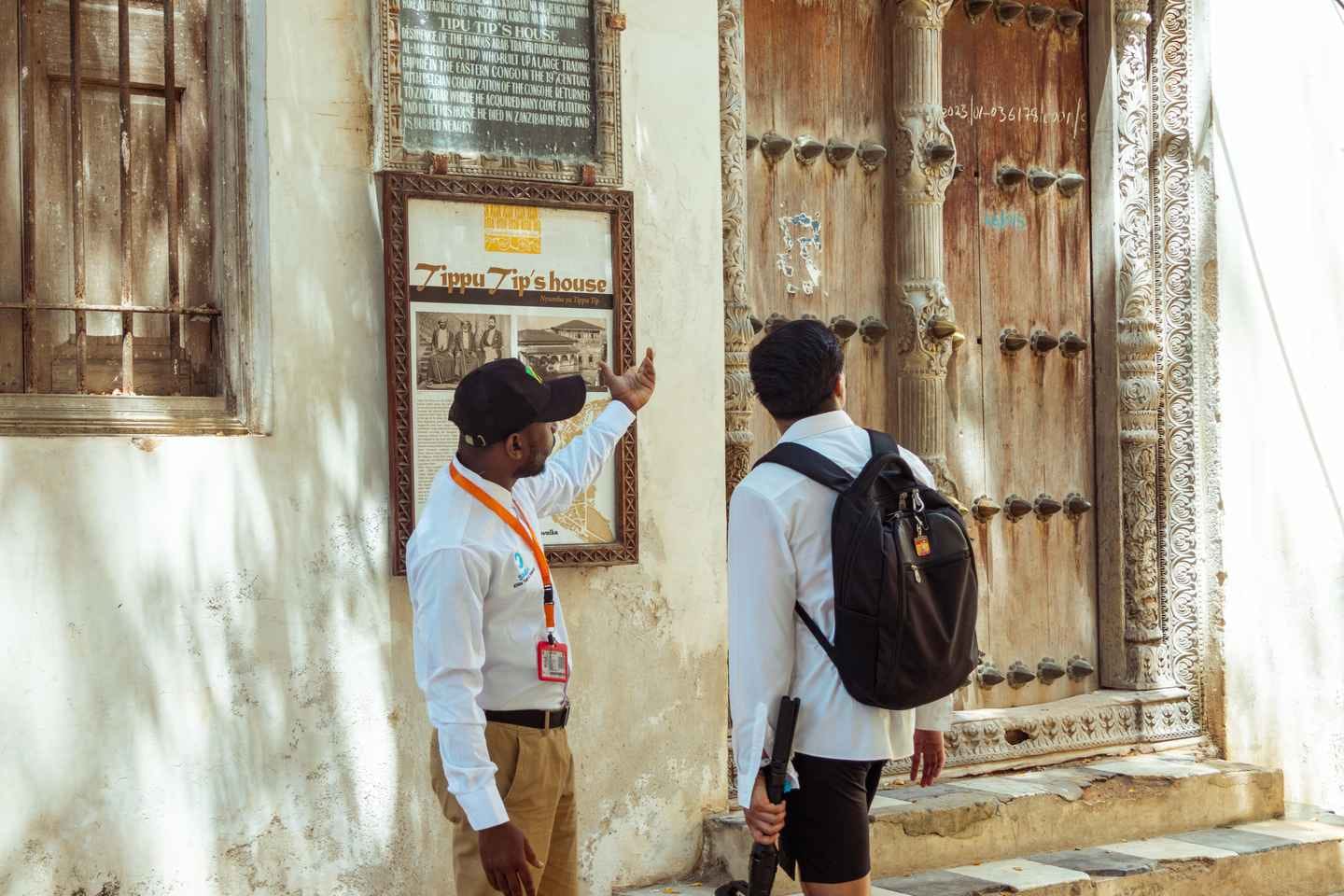
You need 30 to 45 minutes. There are few signs inside, and a guide makes the visit, because the rooms only make sense once someone walks you through the order a bather went through them.
If the door is closed
The caretaker is not always at the entrance. Lonely Planet's advice still works: ask at the Cultural Arts Centre across the street and someone will come with the key. Prices and hours last checked 17 November 2026.
Stone Town walking tours and activities
A guided walk is the easiest way to get the story of the baths. Check which stops are on the route before you book.
Stone Town, Local Life & Cultural Guided Tour
- 2 to 5 hours
- Hotel pickup included
- Free cancellation
4.5(215 reviews)
from$25per person
Check prices & availability
Zanzibar Stone Town Walking Tour: History, Culture and Hidden Gems
- 2.5 to 3 hours
- Hotel pickup included
- Free cancellation
4.9(19 reviews)
from$17per person
Check prices & availability
Stone Town: Food Markets and Street Food Walking Tour
- 3 hours
- Hotel pickup included
- Free cancellation
4.7(180 reviews)
from$35per person
Check prices & availabilityAll activities in Stone Town
What you see inside the Hamamni Persian Baths
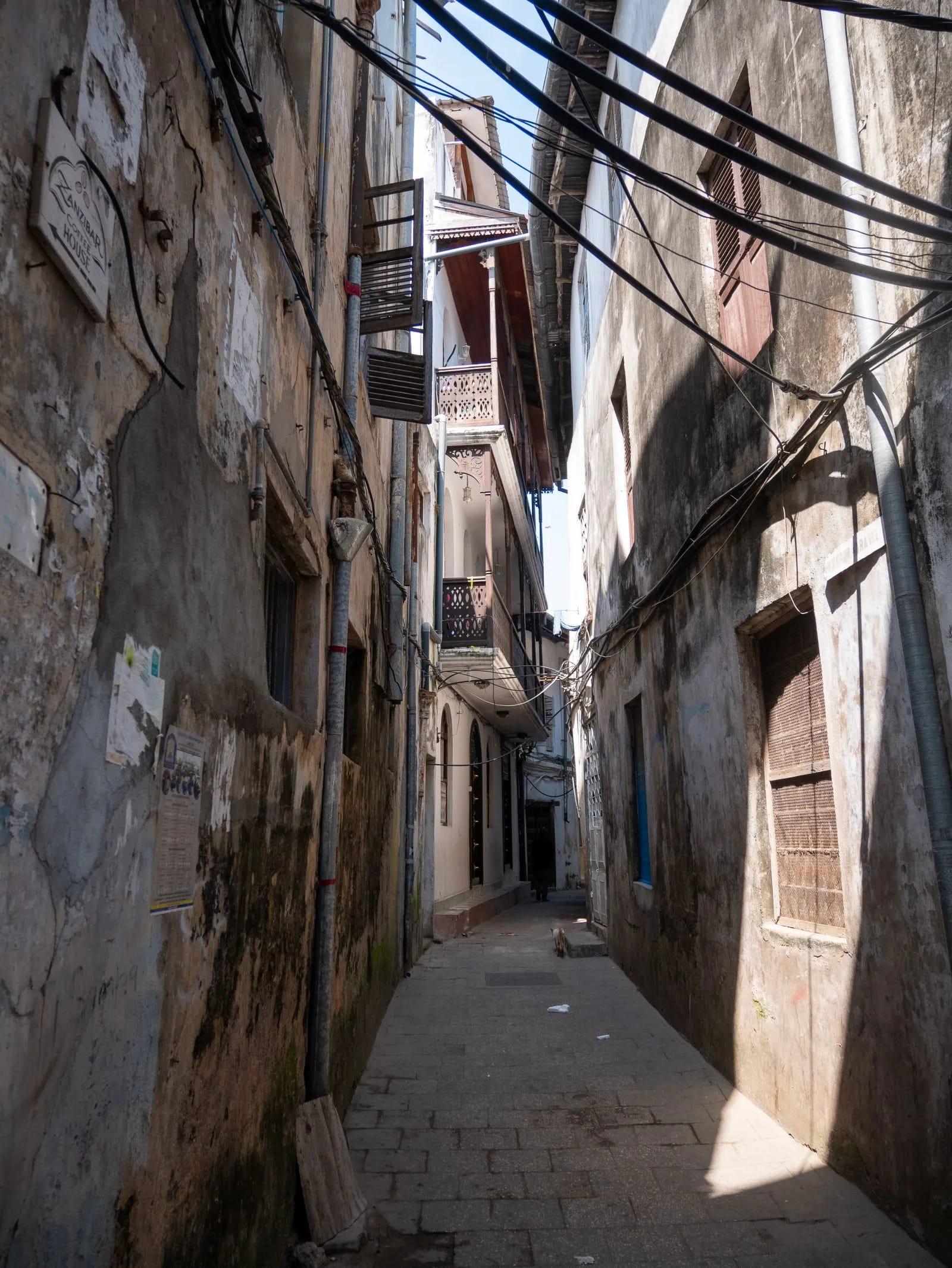
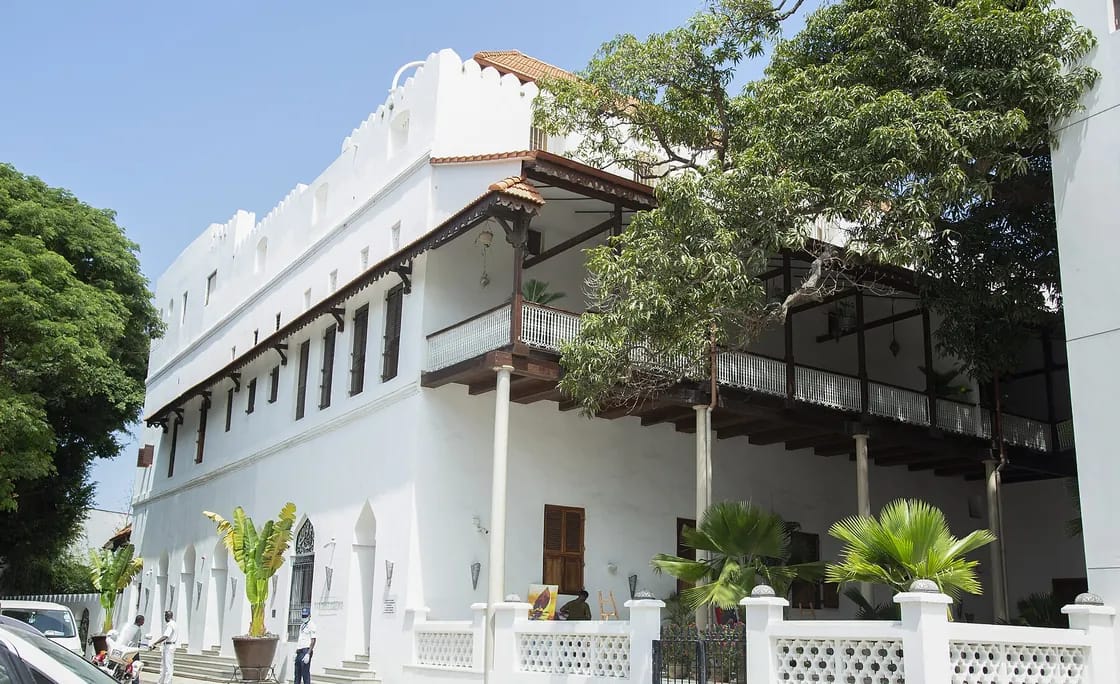
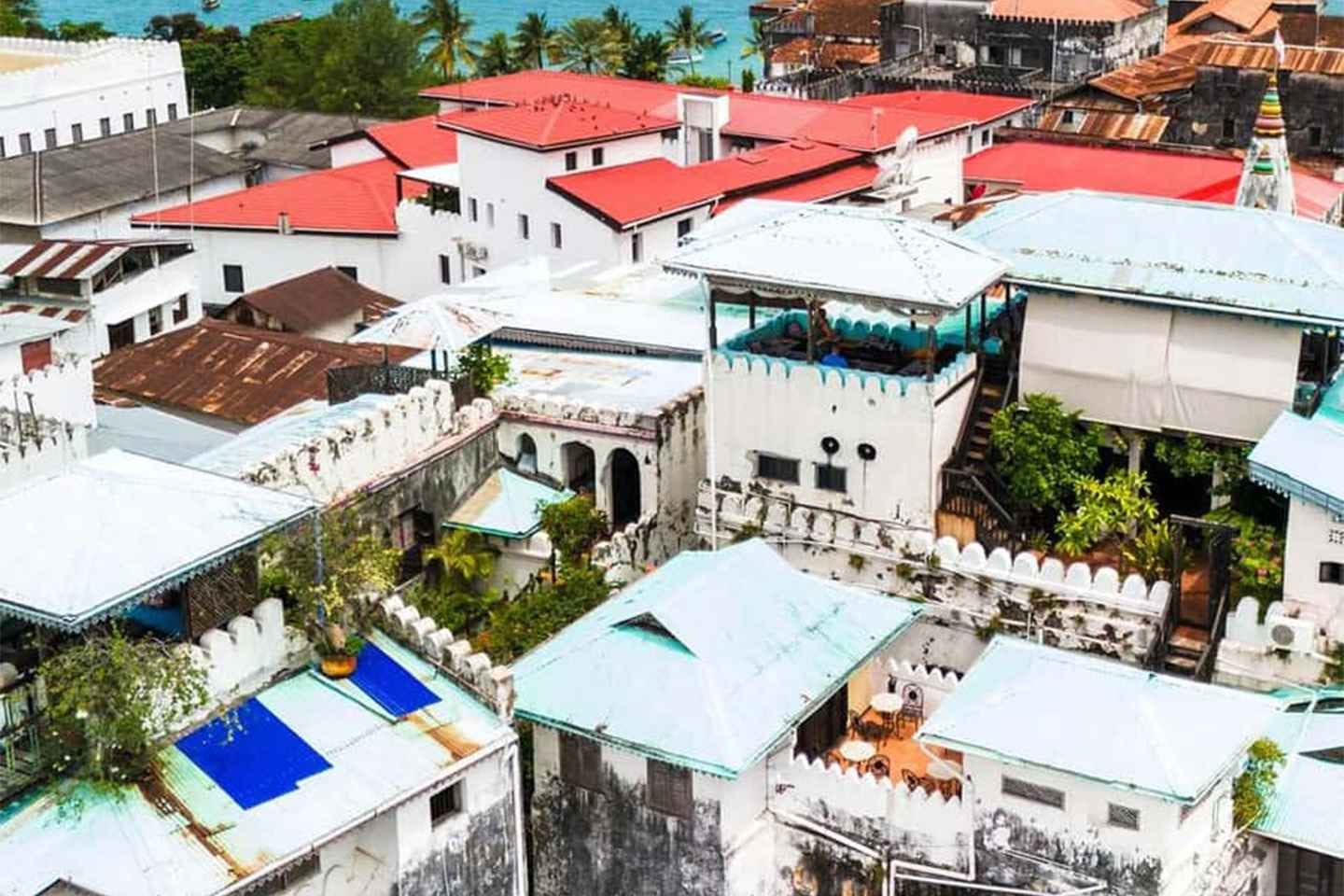
From the street the building is plain, a whitewashed wall and a door. Inside is a run of linked rooms laid out on the plan of a Persian hammam, and the visit follows the order a bather would have taken: first the changing room, then a warm room, then the hot room, and finally a cooler space to rest.
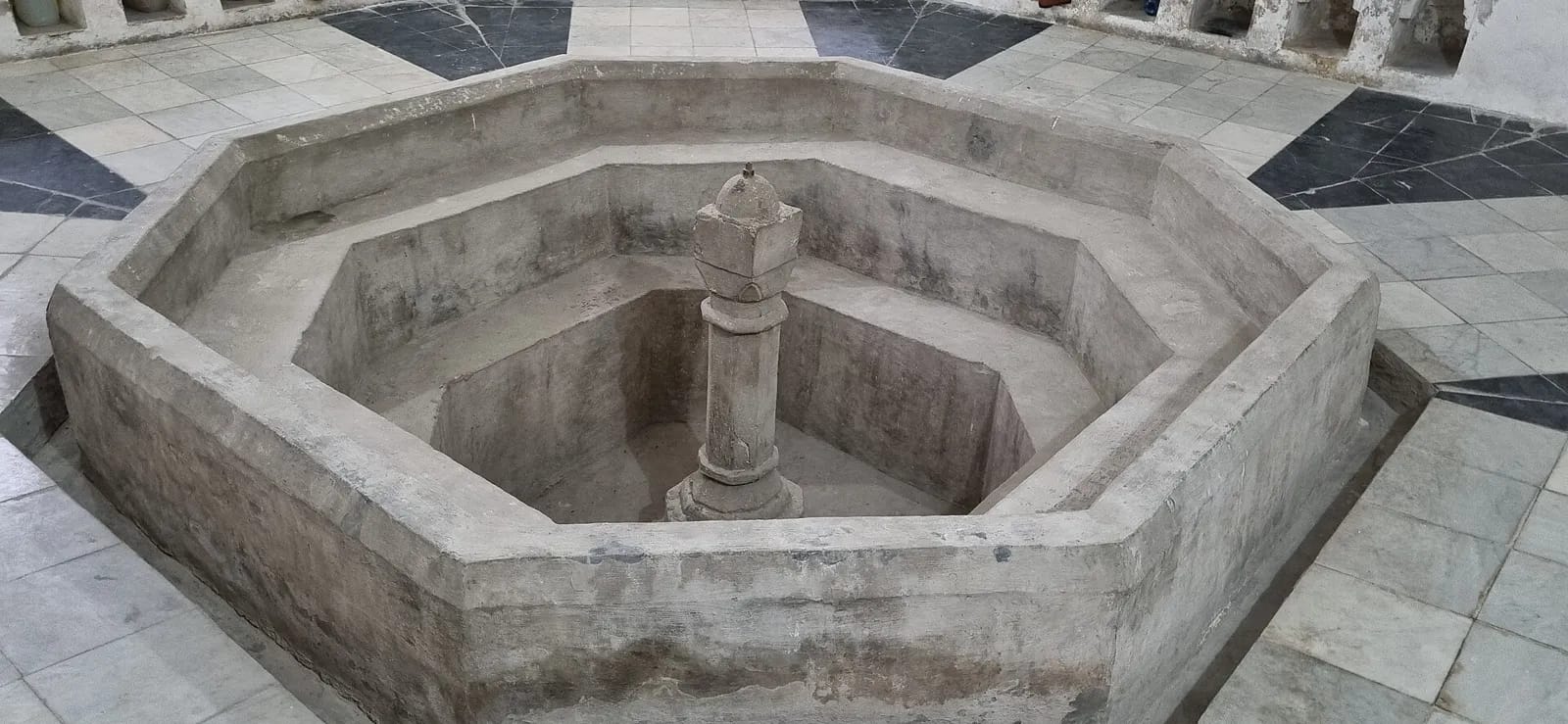
The rooms are roofed with low domes and vaults, lit through openings in the roof, and the arches carry carved plaster in a Persian style. Set into the floors are the bathing pools, with carved stone edges. Hot water was heated outside the rooms and fed in through underground channels, and parts of that heating system are still visible.
The complex once held more than baths: shaving areas, toilets and a small restaurant. Part of it, the old restaurant among it, has since been turned into private homes, so you only see some of the original building. Do not expect water, steam or furniture. The interest is the architecture and the silence, in a town where every other lane is busy.
What to bring
There is no shade, cafe or water inside. Carry a bottle, and keep a small note for the guide if one shows you round.
Hamamni Persian Baths history: Sultan Barghash and the first public baths
The baths were built for Sultan Barghash bin Said, the second Sultan of Zanzibar, during his reign, between 1870 and 1888. No source we found gives the exact year, and you will see both the 1870s and 1888 quoted. They were the first public baths on the island. Barghash built a great deal in Stone Town, the House of Wonders of 1883 among it, and the baths date from the same building spree.
The design is credited to Persian architects from Shiraz, which is where the “Persian” in the name comes from. One account, in the Tanzanian daily The Citizen, names the architect as Haji Gulam Hussein, but we have found no second source for it. Hamamni simply means “the place of the baths” in Swahili, and the name spread to the whole quarter around them.
They were public in the sense that anyone who paid could come in, which in practice meant the better off. Men and women used them at different hours. The baths worked until around 1920, then fell out of use.
The building was restored in 2006 by volunteers from the French heritage association CHAM, and Lonely Planet reports the rooms refurbished again by 2017. Some travellers still describe it as a ruin. Both are fair: the structure is sound and clean, but it is an empty shell, not a reconstruction.
Where are the Hamamni baths in Stone Town?
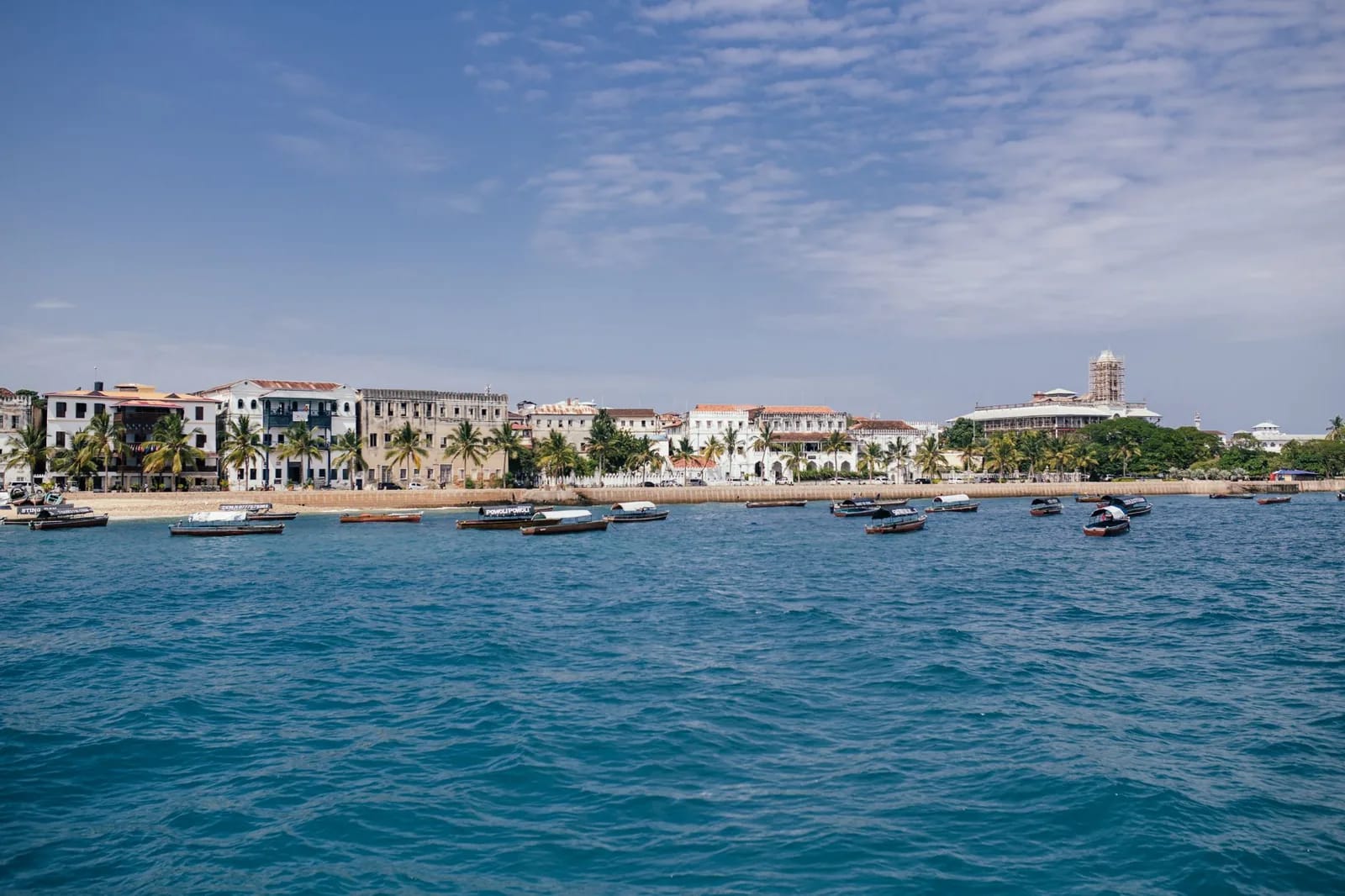
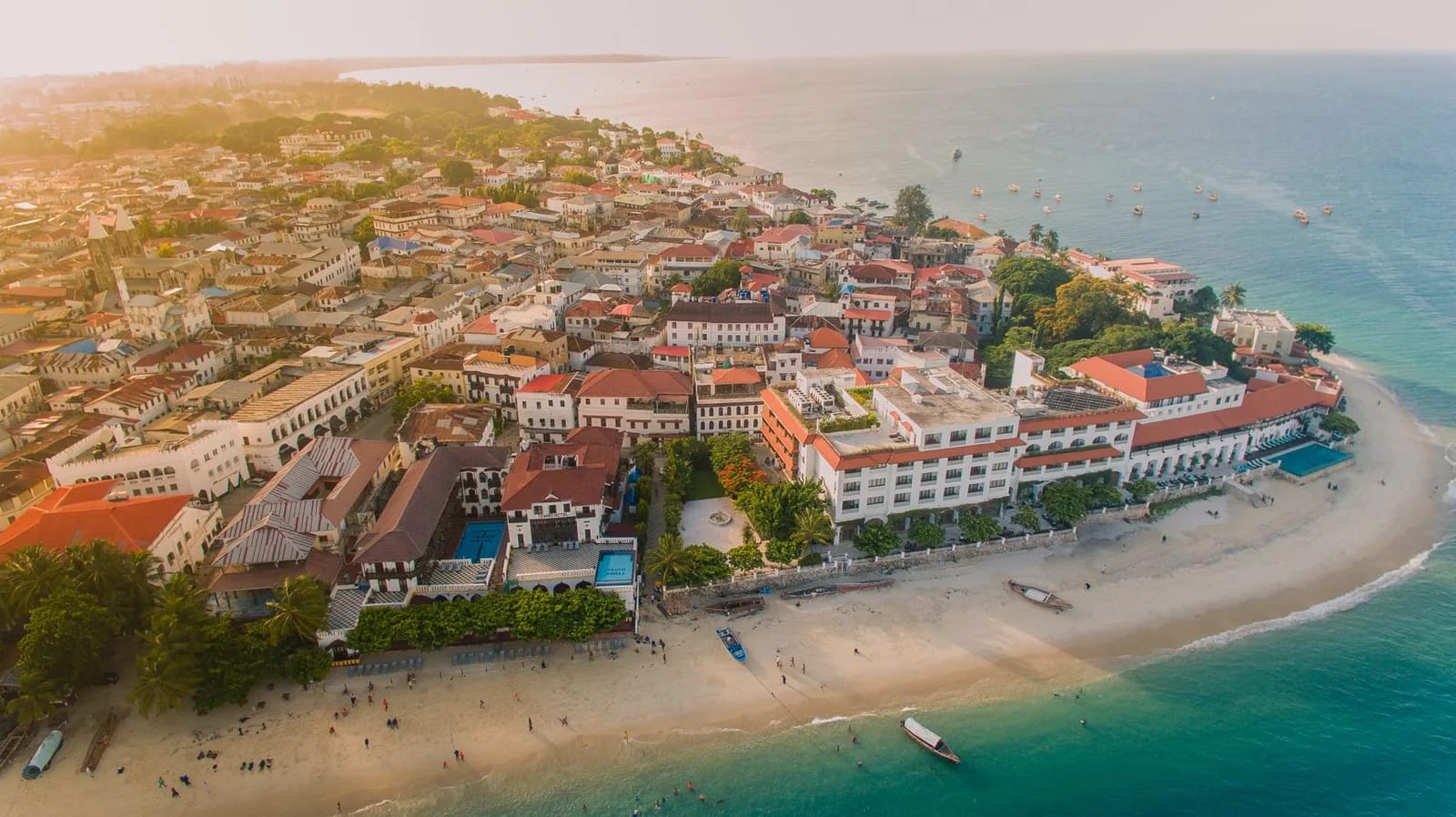
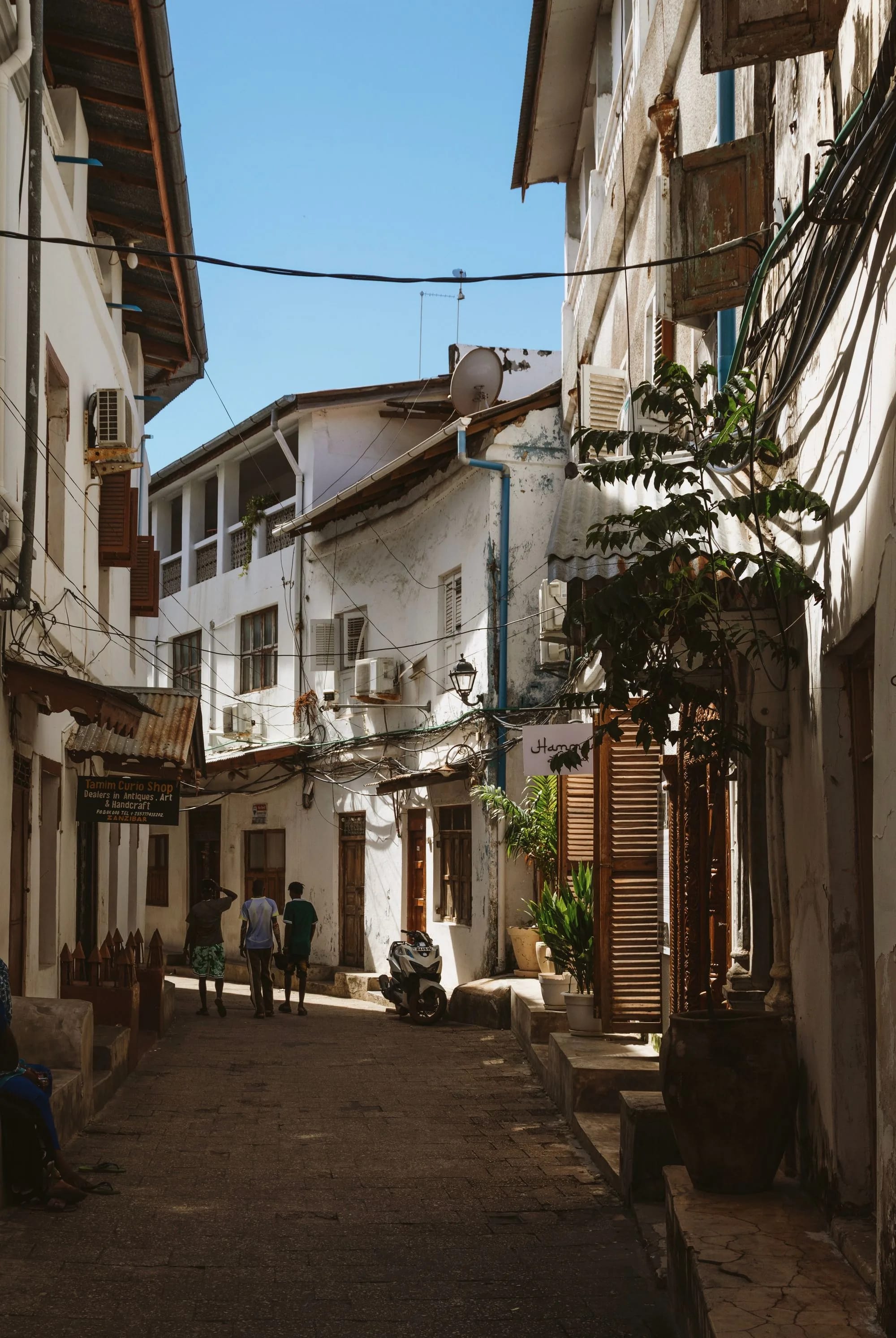
The baths are on Hamamni Street, in the middle of the old town, east of St Joseph’s Cathedral and close to the Maru Maru hotel. From the seafront at Forodhani gardens it is a walk of about 10 to 15 minutes inland through the lanes. Cars cannot get in, so a taxi from the airport or the port drops you at the edge of the old town and you finish on foot.
Two things share the name and are easy to confuse online. Hammam Zanzibar is a modern spa near St Joseph’s that sells steam baths and massages, and has nothing to do with the historic building. Hamamni School is a school in the same quarter. If a map pin offers you treatments or term dates, it is the wrong place.
Hamamni baths, the Old Fort and the House of Wonders in one morning
The baths are a short stop, so they fit best at the start of a walk that ends on the seafront. The Old Fort and the House of Wonders stand side by side on Mizingani Road, roughly ten to fifteen minutes downhill from the baths. This is the order we would take on foot:
9am, Hamamni Persian Baths
Start here at opening, before the tour groups. Thirty to forty five minutes inside.
10am, Old Slave Market and Christ Church
A short walk through the lanes. Allow an hour for the memorial, the chambers and the cathedral.
11:15am, House of Wonders and the Palace Museum
Down to Mizingani Road on the seafront. The House of Wonders is closed and seen from outside, the Palace Museum next door is open.
12:15pm, Old Fort
Next door to the House of Wonders, free, with shade and a cafe in the courtyard. A good place to stop before lunch.
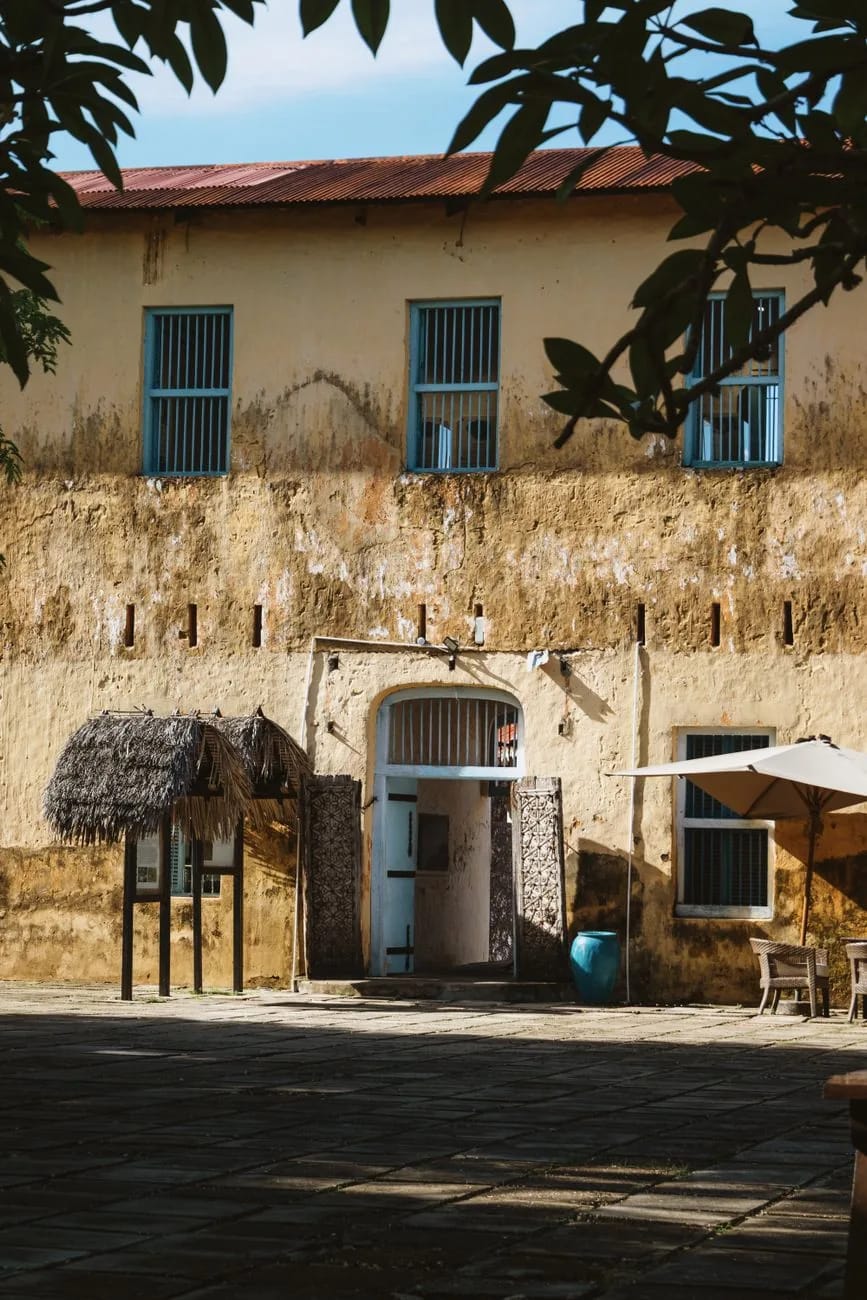
The House of Wonders is closed and fenced since its collapse in 2020: our House of Wonders guide explains what you can still see from Forodhani. The full list of sights, with prices and the order a whole day takes, is in our Stone Town guide. If you have an extra half hour, the Freddie Mercury House in Shangani is a few minutes from the fort.
Is the Hamamni Persian Baths worth visiting?
Yes, for forty minutes and $5, if you like buildings. It is the only bath house of its kind in Stone Town, the rooms are quiet and cool in the morning, and it shows a side of the sultans’ town that the seafront palaces do not: daily life, rather than power.
It is not a museum. There are no objects and very few labels, and some visitors walk out after ten minutes wondering what they paid for. If that sounds like you, spend the money at the Palace Museum on the seafront instead, or come with a guide who can explain the rooms.
Kidichi Persian Baths: the other Persian baths of Zanzibar
The Kidichi Persian Baths are older and smaller, and they sit in the countryside, about 11 km north east of Zanzibar Town, among the spice farms. They were built in the mid 19th century, around 1850 by most accounts, for Shihrazad, the Persian wife of Sultan Said bin Sultan, Barghash’s father. Where Hamamni was public, Kidichi was a private royal bath.
The building is a small block of domed rooms with stucco decoration, ventilation shafts and round openings in the roof. It is a protected monument, and a laser survey published in The Antiquaries Journal in 2020 recorded it in detail for the first time. It is poorly kept, and we have found no reliable entry price or opening hours.
Most visitors see Kidichi as a stop on a spice tour, since the farms around Kidichi are where most of them run. Ask the operator before you book whether the baths are on the route, because not every tour stops there.
Questions people ask about the Hamamni Persian Baths
How much does it cost to enter the Hamamni Persian Baths?
About $5 per person. There is no official price list, and the figures travellers report range from $3 to $5, the lower figure usually when you come with a local guide. Pay in cash, dollars or shillings, and confirm the price at the door. Last checked 17 November 2026.
What are the Hamamni Persian Baths opening hours?
Reported hours are 9am to 4pm in one source and 9am to 6pm in others, with no official timetable. Go before 4pm and you are covered either way. Early morning is the quietest time. If the door is shut, ask at the Cultural Arts Centre across the street.
What were the Hamamni Persian Baths built as?
As public baths, the first on Zanzibar, built for Sultan Barghash bin Said during his reign, between 1870 and 1888. They were designed by Persian architects from Shiraz on the model of a Middle Eastern hammam, with hot and cold rooms, and anyone who could pay the entrance fee could use them.
Can you still bathe at the Hamamni Persian Baths?
No. The baths stopped working around 1920 and there is no water inside today. You walk through dry rooms and empty pools. For a working steam bath, the modern spa called Hammam Zanzibar, near St Joseph's Cathedral, is a different place with no link to the historic baths.
How long do you need at the Hamamni baths?
Thirty to forty five minutes is enough to walk through every room that is open, read what little signage there is and take photos. With a guide explaining each stage of the bath, count closer to an hour.
Is the Hamamni Persian Baths worth visiting?
Yes, if you are already in Stone Town and like architecture. It is cheap, close to everything and unlike anything else in the old town. It is not a museum with exhibits: if you need objects and labels, the Palace Museum on the seafront is a better use of the money.
Where are the Hamamni Persian Baths?
On Hamamni Street, in the middle of Stone Town, east of St Joseph's Cathedral and close to the Maru Maru hotel. The name Hamamni comes from the baths and is also used for the surrounding quarter. Forodhani gardens and the House of Wonders are about ten to fifteen minutes away on foot.
What is the difference between the Hamamni and Kidichi Persian baths?
Hamamni, in Stone Town, was a public bath house built for Sultan Barghash between 1870 and 1888. Kidichi, about 11 km north east of town in the spice farm area, is older and smaller: a private bath built in the mid 19th century for Shihrazad, the Persian wife of Sultan Said bin Sultan.
Sources: Wikipedia, Hamamni Persian Baths, for the dates, the architects and the 2006 restoration. Lonely Planet for the 2017 refurbishment and the Cultural Arts Centre key. Holidify, NomadoTravel and ArrivalGuides for the prices and hours travellers report, checked 17 November 2026. The Citizen, 21 April 2025, for the architect’s name. The Antiquaries Journal, 2020, “Laser-scanning Shihrazad’s baths”, for Kidichi.