
The short version
- Bring US dollars in cash, in small notes.
- Nothing printed before 2013 will be accepted.
- Draw shillings from a machine for everyday spending.
- Cards work in resorts and almost nowhere else.
- Machines charge $4 to $8 and cap each withdrawal.
- Paying in shillings usually gets you a better price.
What things cost in Zanzibar
Prices in shillings, with a rough dollar equivalent at around 2,600 TZS to the dollar. Vacuum packed cloves and vanilla, bought on a plantation morning, are the one souvenir worth the luggage. Anything aimed at visitors is quoted in dollars and anything aimed at residents is not.
| What | Shillings | Dollars |
|---|---|---|
| A bottle of water | 1,000 to 2,000 | $0.40 to $0.80 |
| A local beer, beach bar | 6,000 to 12,000 | $2 to $5 |
| A plate of pilau at a canteen | 8,000 to 15,000 | $3 to $6 |
| Dinner at a beach restaurant | 25,000 to 60,000 | $10 to $25 |
| A dala dala ride | 1,000 to 3,000 | $0.40 to $1.20 |
| A short taxi hop | 15,000 to 30,000 | $6 to $12 |
| A litre of petrol | 3,000 to 3,600 | $1.15 to $1.40 |
| A tip for a guide, half a day | 10,000 to 25,000 | $4 to $10 |
Rates move, so treat the dollar column as an order of magnitude rather than a quote. Both currencies circulate freely and you will end a week with a pocket of both.
The banknote rule, because it will happen to you
Tanzania will not take US dollar bills printed before 2013. It also refuses notes that are torn, taped, drawn on or badly worn. This is not a scam and it is not negotiable: banks enforce it, exchange desks enforce it, and every hotel and boat operator has learned to copy them.
The reason is old counterfeiting, and the effect is that a visitor arrives with four hundred dollars and finds half of it unusable. Check the series year printed on the front of each note before you leave home, and ask your bank specifically for newer bills.
Denomination matters too. Large notes get a better exchange rate but nobody can break them, so bring a spread. Fifties and hundreds for the visa and hotels, tens and twenties for everything else.
Convert US dollars to shillings
Indicative rate, September 2026
Tanzanian shillings
260,000 TZS
One US dollar is about 2,600 shillings. The rate here is updated by hand and the real one moves, and it moves most at the airport exchange desk.
What to pay with, and where
Shillings for the local economy, dollars for the visitor economy. Knowing which one you are standing in is most of the skill.
Tanzanian shillings
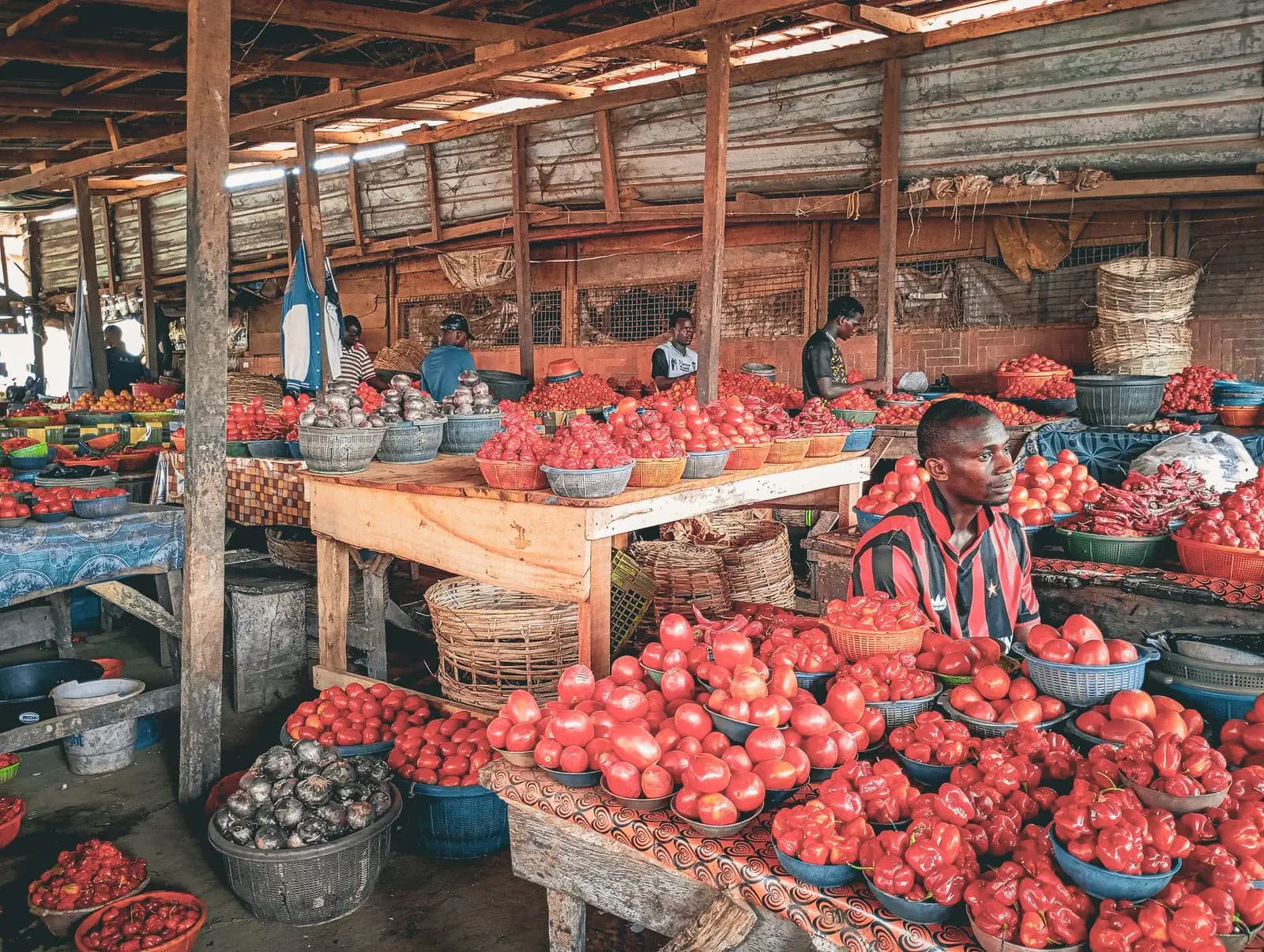
Markets, canteens, dala dala, small shops, tipsThe everyday currency, and the one that gets you a fair price. Prices quoted to tourists in dollars are usually rounded up. Paying in shillings quietly removes that.
US dollars, cash
Visa, hotels, boat trips, dive centres, airport taxisWidely accepted for anything aimed at visitors, and expected for the visa. Bring small denominations. Change for a hundred is a genuine problem outside Stone Town.
Cards
Resorts, better restaurants, dive centres, some hotelsVisa and Mastercard only, and often with a surcharge of three to five per cent added at the till. American Express is close to useless here.
Mobile money
Between locals, and some shopsM-Pesa and Tigo Pesa run the local economy but need a registered local SIM and an account. Not realistic for a two week visit.
Cash machines, and where to change money
Machines are common in Stone Town, present at the airport and inNungwi and Paje, and absent almost everywhere else. Use one attached to a bank branch rather than a standalone box, and draw in the morning when they are stocked.
Each withdrawal is capped at roughly 400,000 shillings and carries a local fee of four to eight dollars on top of your bank's. Fewer, larger withdrawals are the whole strategy.
For changing cash, avoid the airport desk, which gives the worst rate on the island by a clear margin. The bureaux in Stone Town are better and openly competitive. Count what you are handed before walking away, every time.
One habit worth adopting: keep a small folded reserve of dollars somewhere separate from your wallet. Power cuts take card machines and cash machines down together, and it happens often enough to plan for.
Bargaining, without being tiresome about it
Prices in markets, for taxis and for souvenirs are negotiable and the opening number assumes you will negotiate. Somewhere around two thirds of the first price is a normal landing point. Ghali sana, too expensive, said with a smile, opens it well, and the rest of the vocabulary is in our Swahili phrases for Zanzibar.
Prices in shops, restaurants and hotels are not negotiable, and pushing on them reads as rude rather than shrewd. The difference you are haggling over is usually a dollar or two, which means very little to you and rather more to the person selling.
Do and don't with money in Zanzibar
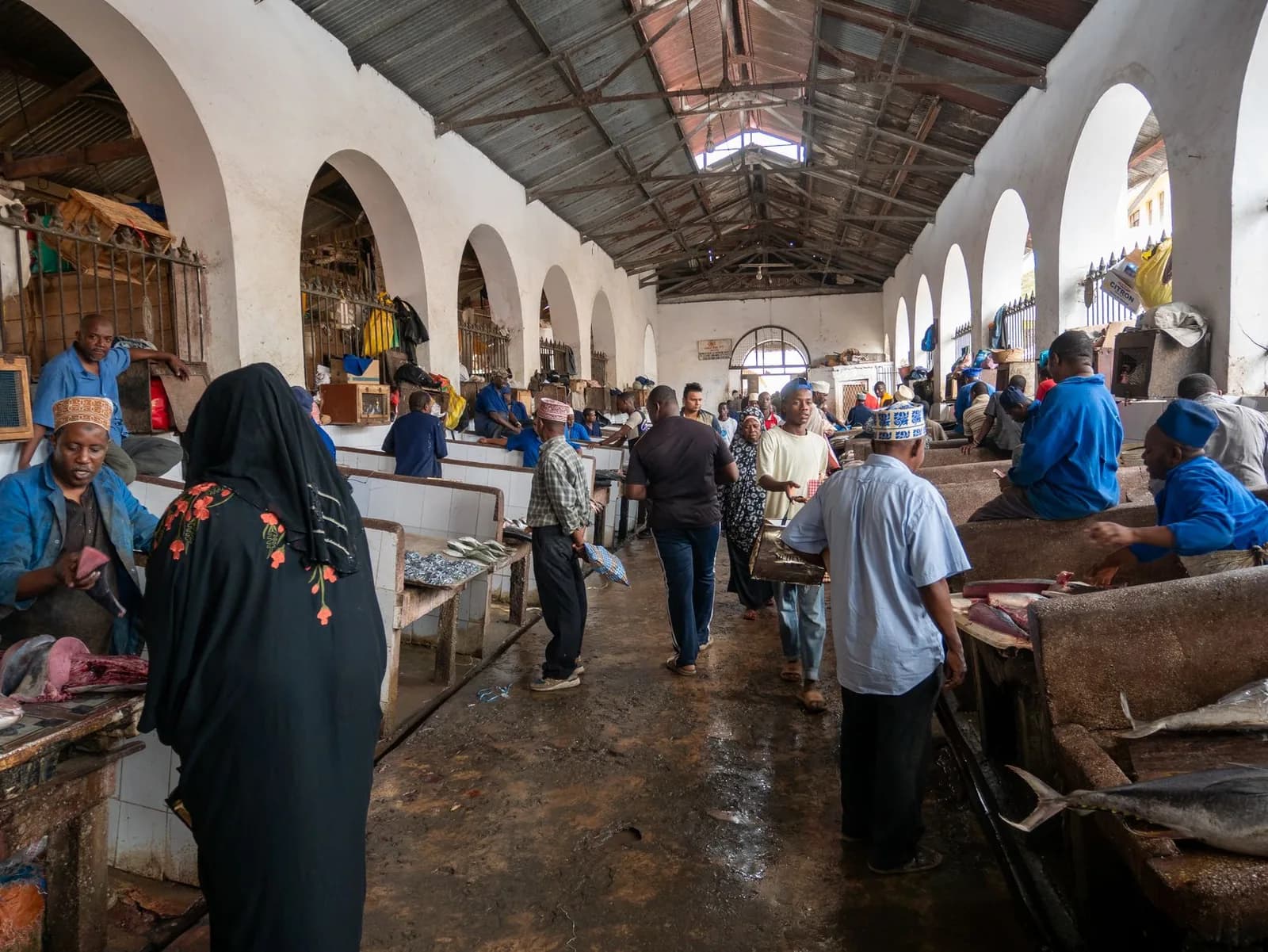
Five habits that between them prevent almost every money problem visitors have here.
- Bring US dollars printed after 2013. Older notes, and anything torn or marked, are refused outright. This is the single most common avoidable problem on arrival.
- Bring small denominations too. Nobody has change for a hundred. Fives, tens and twenties are what you actually spend.
- Use a bank ATM, not a hotel one. CRDB, NMB and Exim have machines in Stone Town, at the airport and in Nungwi and Paje. Withdrawal limits are low, around 400,000 shillings a time.
- Assume cards do not work. They are accepted at resorts, dive centres and better restaurants, often with a 3 to 5 per cent surcharge, and nowhere else.
- Change money at a bureau, not on the street. Rates are broadly the same everywhere legitimate, and the street version is where the folded notes come from.
Questions people ask about money in Zanzibar
Should I bring dollars or euros to Zanzibar?
Dollars. The US dollar is the reference foreign currency across Tanzania and is what the visa, the hotels and the boat operators quote in. Euros and pounds are exchangeable but at worse rates, and paying for a taxi in euros means accepting whatever rate the driver invents.
Why were my dollars refused in Zanzibar?
Almost certainly the note. Tanzania refuses US bills printed before 2013, and treats torn, marked or heavily worn notes as unacceptable. Banks and exchange desks apply this strictly, and small businesses copy them. Ask your bank for notes from 2013 or later, in good condition.
Can I use my card in Zanzibar?
In resorts, dive centres and better restaurants, yes, usually with a surcharge. Everywhere else, no. Assume cash is the default and cards are the exception, which is the opposite of what most visitors are used to.
How much do ATMs charge in Zanzibar?
Local machines add four to eight dollars per withdrawal on top of whatever your own bank charges, and cap each withdrawal around 400,000 shillings. Take out larger amounts less often, and use a machine attached to a bank branch rather than a standalone one.
Should I tip in Zanzibar?
It is expected in tourist settings and appreciated everywhere. Ten per cent in a restaurant, a couple of dollars for a porter, five to ten for a guide who has given you a good day. Tip in shillings where you can, because it is worth more to the person receiving it.