
Street snack
TSh 1,000 to 5,000, under $2
Local lunch
$3 to $6 a plate
Beach restaurant
$10 to $20 a head
Forodhani
Every evening from about 6pm
Pay in
Shillings, for the fair price
Ramadan 2027
About 8 February to 8 March
What to eat in Zanzibar: 11 local dishes
The Indian, Omani and Persian cooks who passed through all left something on the plate, and the cloves and cardamom grow a few miles inland. Almost none of it is hot. The chilli sauce is on the side and you add it yourself.
Eleven dishes worth ordering, from a twenty-cent doughnut to octopus curry, with what each one costs at a local stall and where to find it.
Zanzibar pizza, the Forodhani street snack
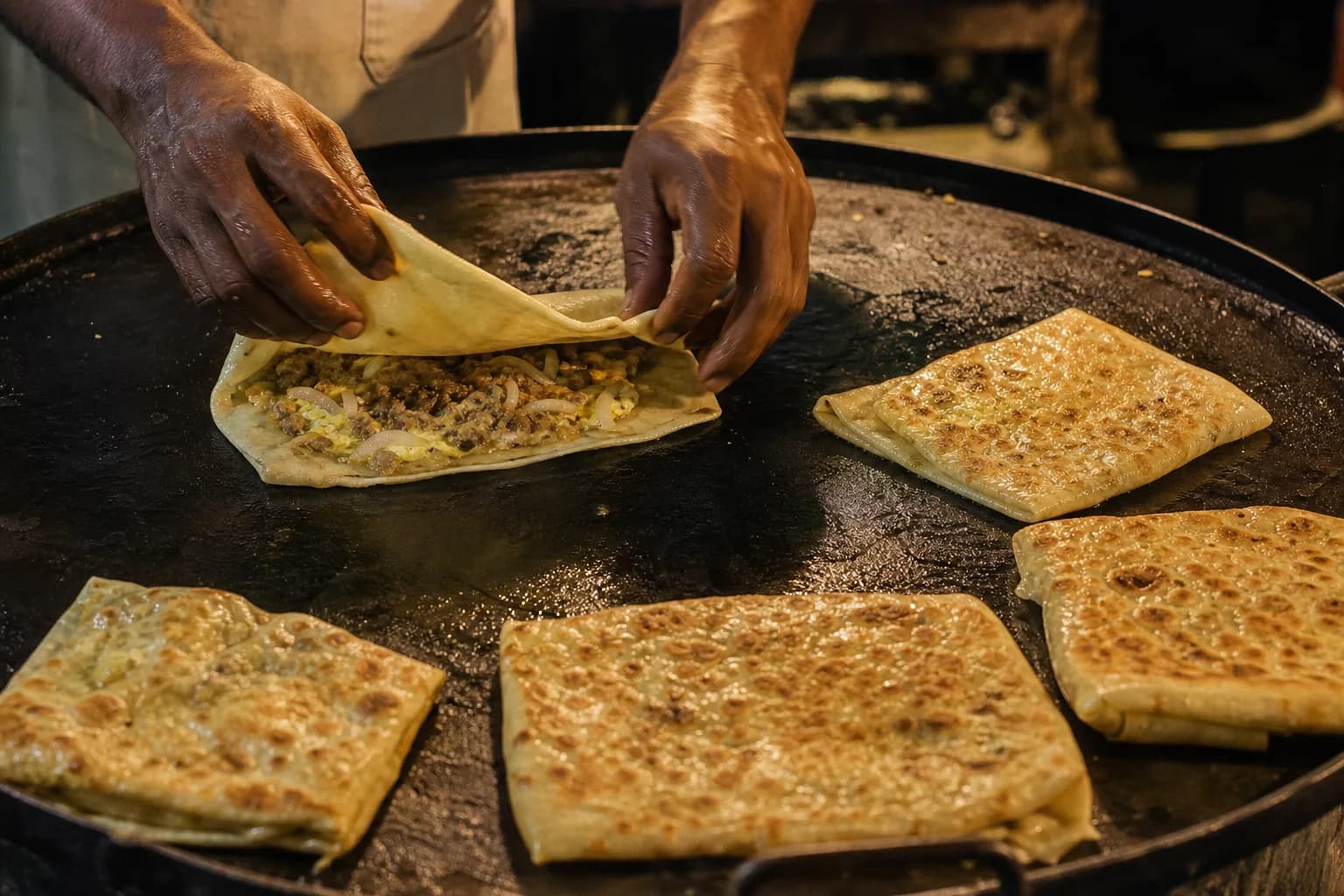
The name is a joke that stuck. A Zanzibar pizza is closer to a Malaysian murtabak than to anything from Naples: a fist of dough stretched until you can see through it, filled with minced beef, onion, a raw egg and a wedge of processed cheese, folded into a square and fried in ghee on a round iron plate. It takes about three minutes, and you watch every one.
Chicken, seafood and vegetable versions are on every board. The sweet one, banana with chocolate spread, is more photographed than eaten twice. Order it, stand by the grill and eat it hot, because it goes soggy within ten minutes.
- Price
- TSh 3,000 to 5,000 ($1.10 to $1.90)
- Where
- Forodhani gardens after dark, where a dozen stalls make it to order.
Urojo, the Zanzibar mix
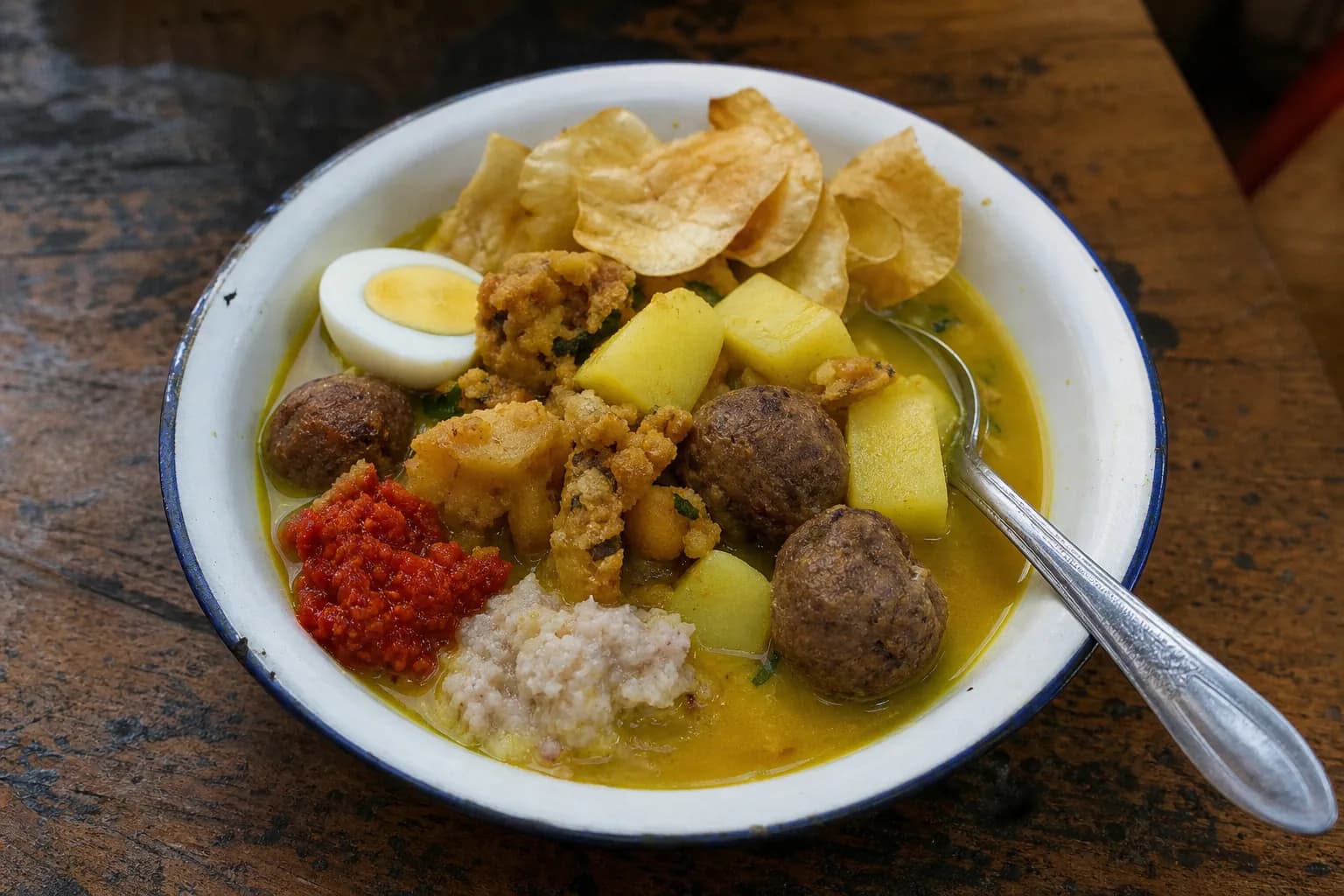
If one dish tastes of Stone Town, this is it. Urojo is a thin yellow soup made sour with green mango and tamarind and coloured with turmeric, poured over bhajia fritters, potato, little meatballs, cassava crisps and half a boiled egg. Coconut chutney and a spoonful of red chilli go on top, and you stir.
Sour first, hot second, crunchy until it goes soft. Nobody does a smart version, and nobody needs to. Ask for it without meat and they leave out the meatballs.
- Price
- TSh 2,500 to 5,000 ($1 to $2)
- Where
- The urojo carts near Darajani at lunch, and a few stalls at Forodhani in the evening.
Mishkaki, grilled beef skewers
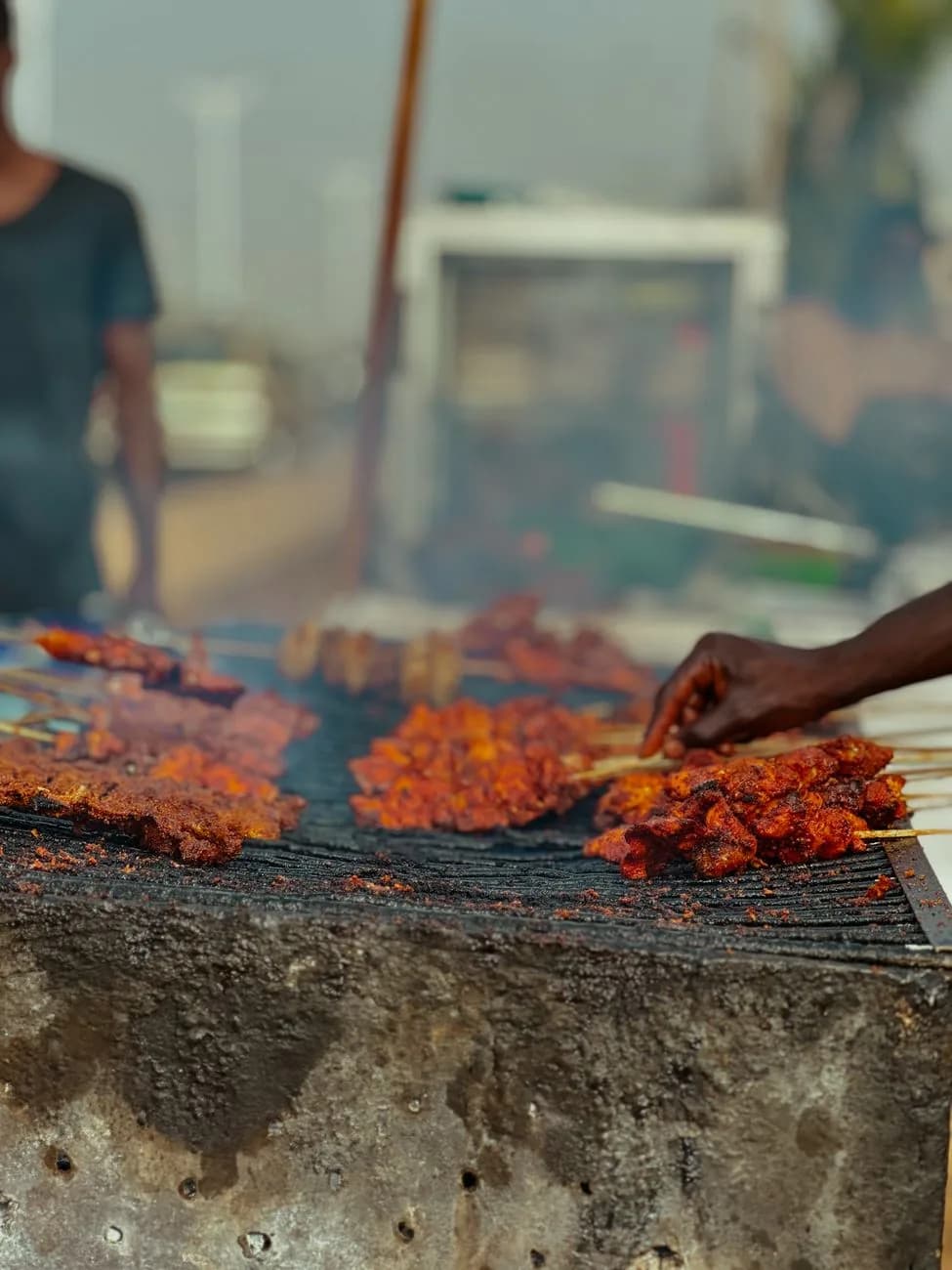
Cubes of beef marinated in ginger, garlic, lime and chilli, threaded on a stick and grilled over charcoal. They come with a wedge of lime and chilli sauce, sometimes with chips.
The safest thing on any grill, as long as the stall is cooking raw meat rather than warming up skewers grilled earlier. Order two.
- Price
- TSh 2,000 to 4,000 a skewer ($0.75 to $1.50)
- Where
- Every night market and every roadside grill on the island.
Pilau, Zanzibar spiced rice
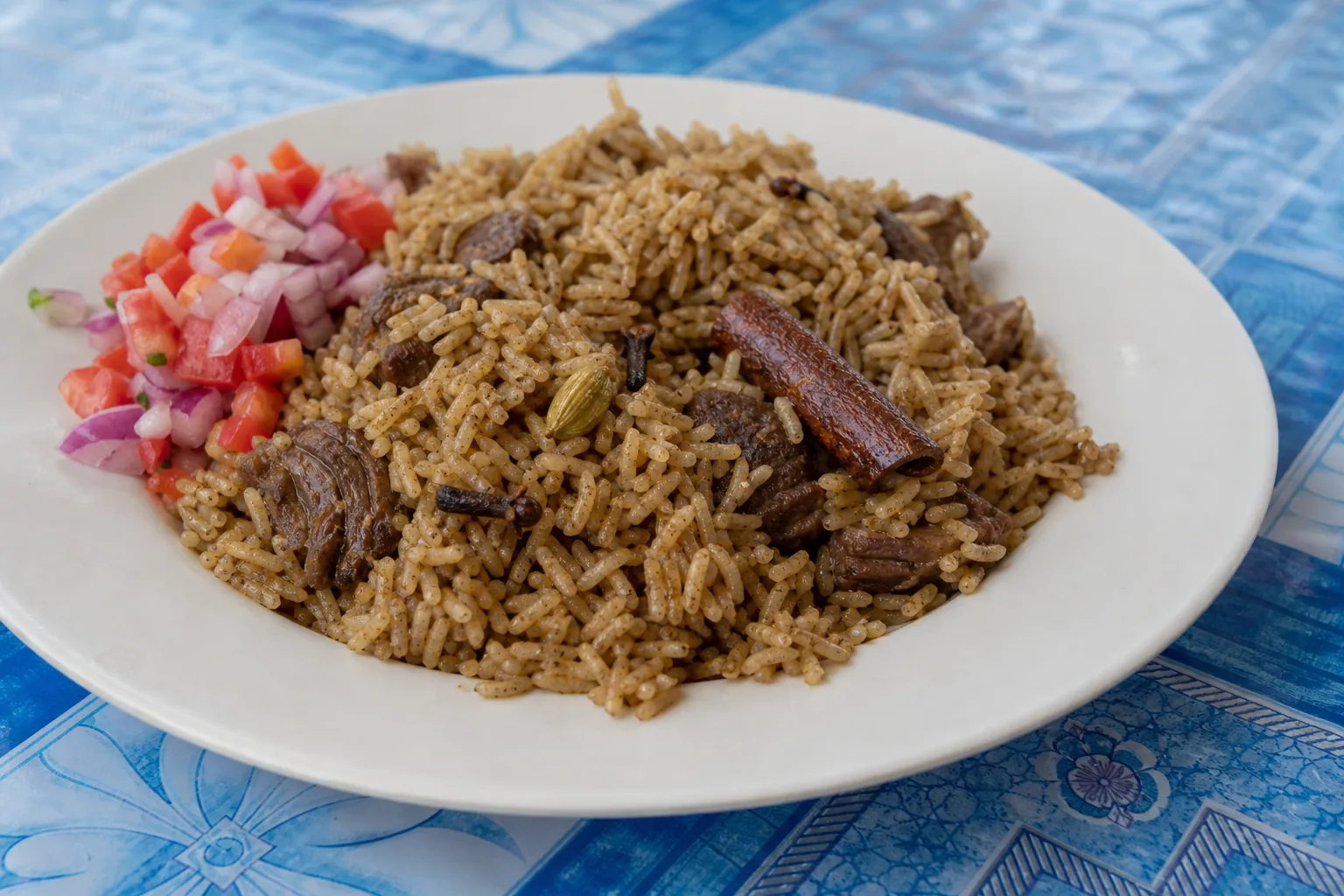
Rice cooked in stock with cumin, cardamom, cinnamon, cloves and black pepper, usually with beef or chicken through it. Every spice you smelled on the plantation ends up in the one pot.
It comes with kachumbari, a salad of raw tomato and onion, and it is what Zanzibar eats for lunch. Filling, cheap, and never boring.
- Price
- TSh 5,000 to 8,000 ($2 to $3)
- Where
- Any local canteen at lunchtime. Lukmaan in Stone Town does a reliable one.
Zanzibar biryani, rice and sauce apart
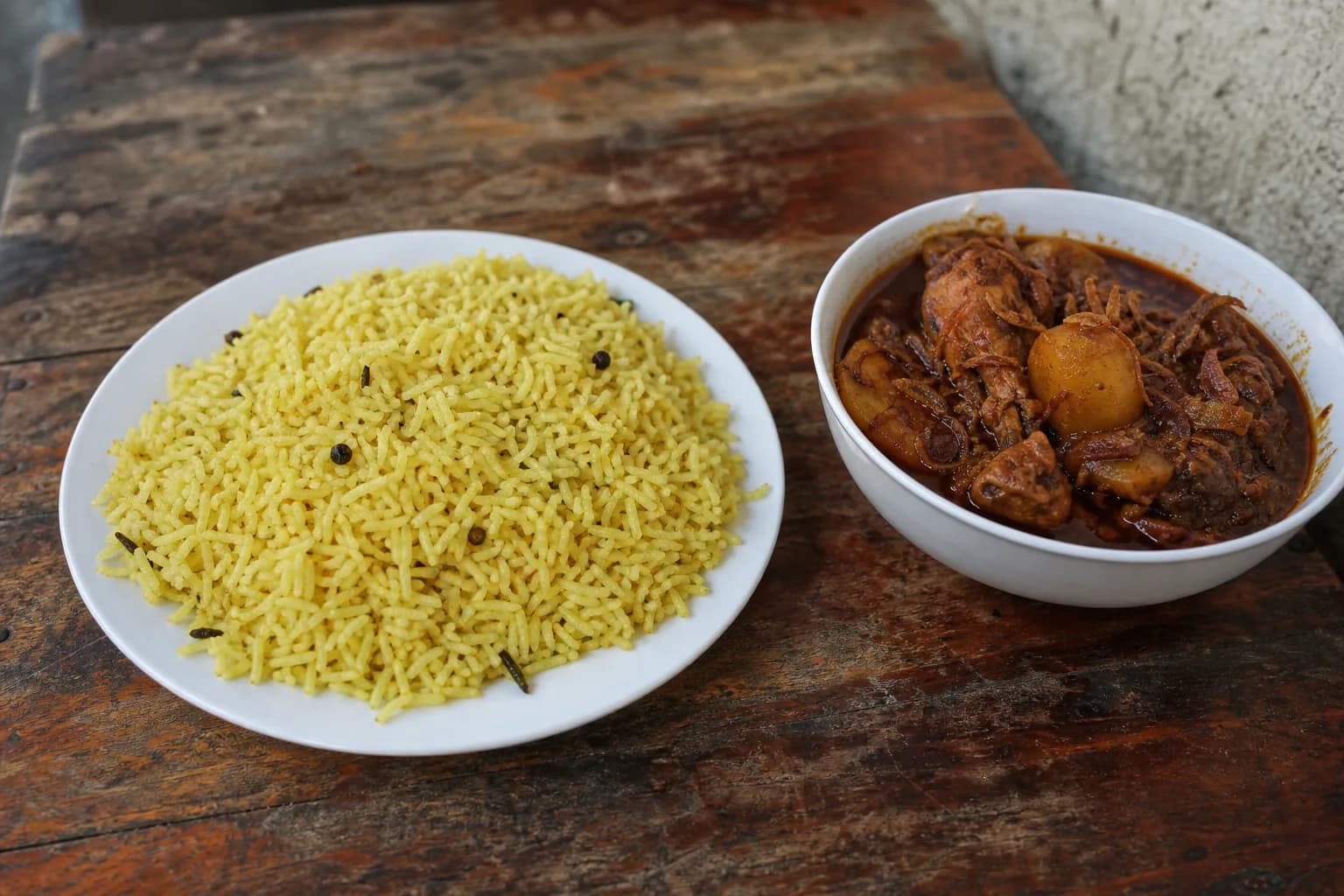
Here the rice and the curry come on separate plates instead of layered in one pot. The rice is yellow and lightly spiced, and the sauce is dark and sweet with fried onion, potato and chicken or beef.
Richer than pilau, and the meal to have once when you are properly hungry.
- Price
- TSh 8,000 to 15,000 ($3 to $6)
- Where
- Lukmaan and the Indian-run canteens around Darajani, at lunch when the pots are full.
Pweza wa nazi, octopus curry
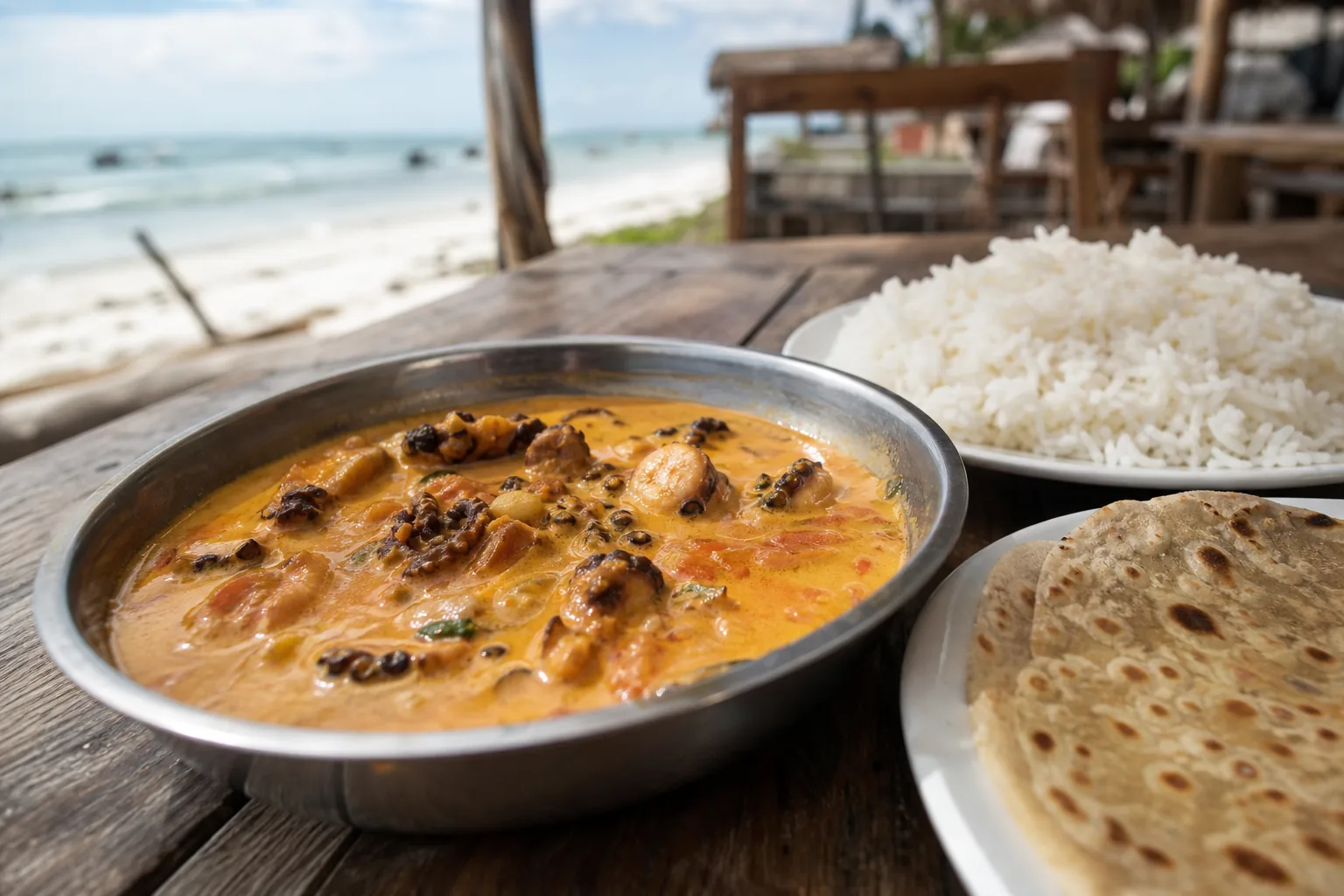
Octopus caught on the reef flats at low tide, often by the women you see wading out at Jambiani and Paje, beaten tender and simmered in coconut milk with tomato, turmeric and lime. Mild, sweet and creamy, with rice or chapati.
This is the dish to order on the east coast, where it was probably caught that morning. Resort versions are gentler and cost five times more.
- Price
- TSh 8,000 to 15,000 ($3 to $6)
- Where
- Local canteens in Stone Town and the simpler beach restaurants in Paje, Jambiani and Bwejuu.
Samaki wa kupaka, fish in coconut sauce
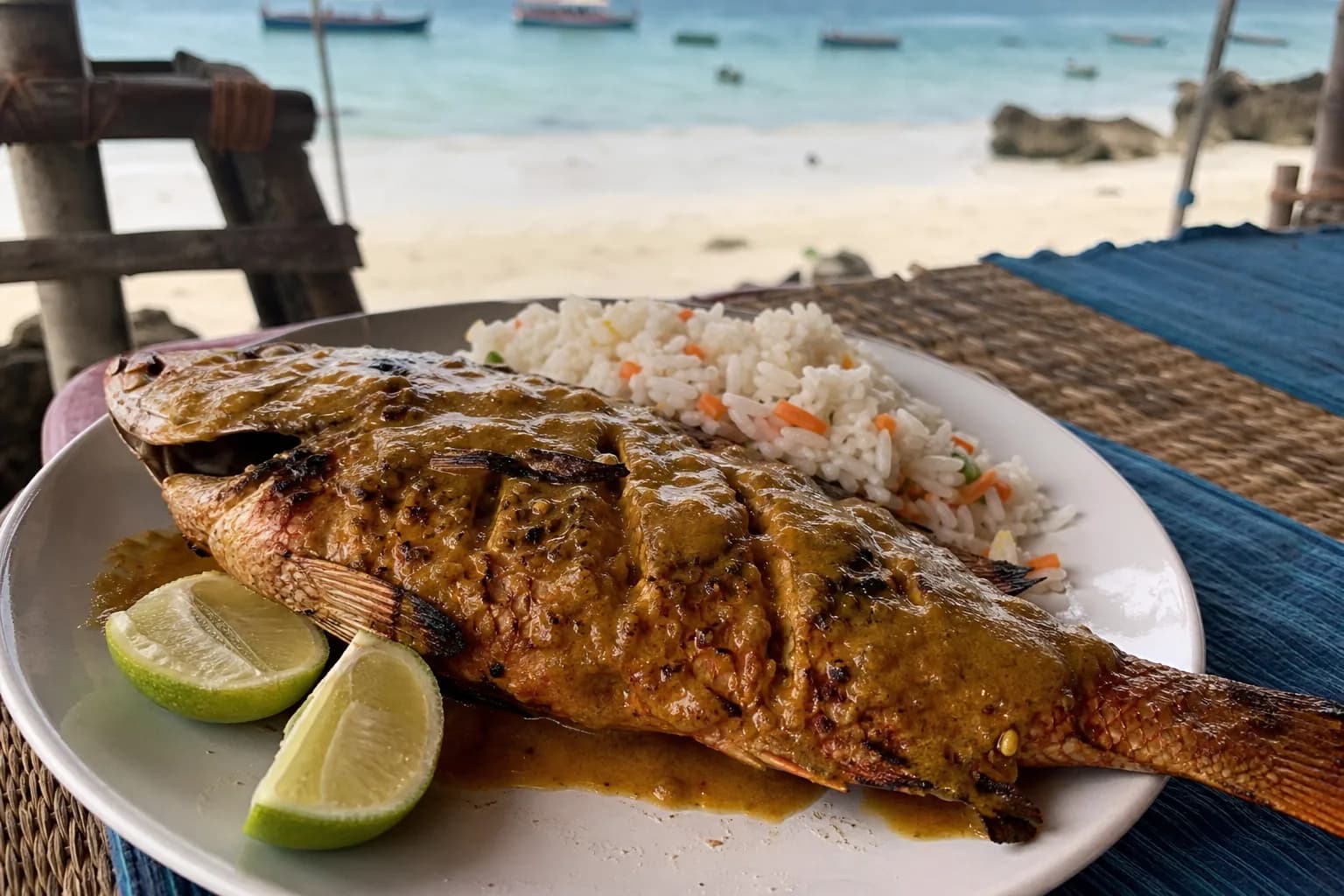
A whole fish or a thick steak, grilled first and then basted with a reduced sauce of coconut, tamarind, garlic and chilli. It is the Swahili coast's signature, and a long way from the plain grilled fish most hotels serve.
At Lukmaan, a plate of coconut fish with rice, bread and a soda came to about TSh 16,500. It is the best meal under ten dollars on the island.
- Price
- TSh 10,000 to 16,000 ($4 to $6)
- Where
- Lukmaan at lunch, and village restaurants along the coast.
Chipsi mayai, the chip omelette
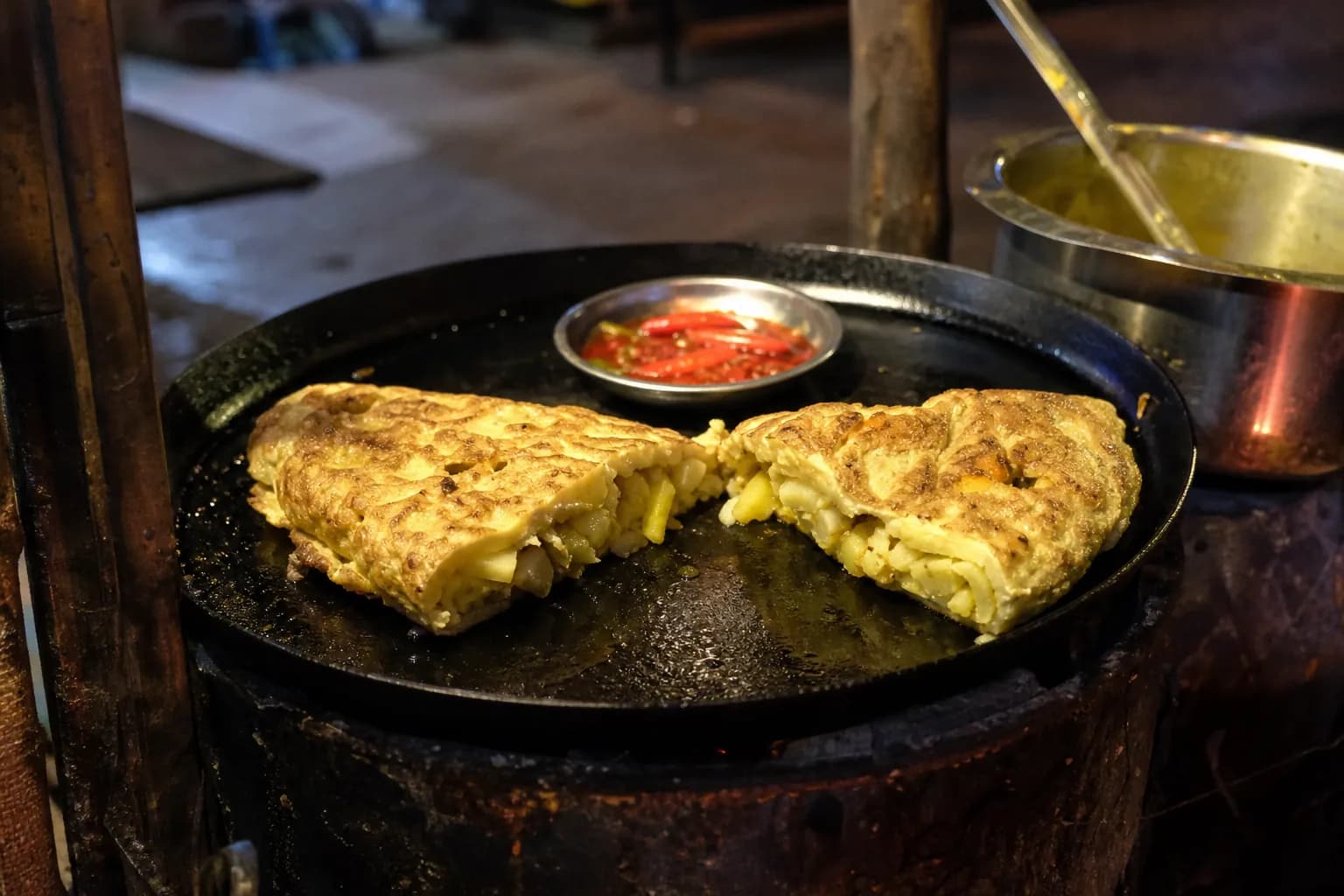
Exactly what it sounds like. A handful of chips goes into a pan, beaten eggs go over them, and it sets into a thick omelette served with tomato sauce and chilli.
Nobody's idea of fine dining, and everybody on the island eats it.
- Price
- TSh 2,500 to 5,000 ($1 to $2)
- Where
- Street grills and cheap cafés, from mid-morning to late at night.
Mandazi and chai, a Zanzibar breakfast
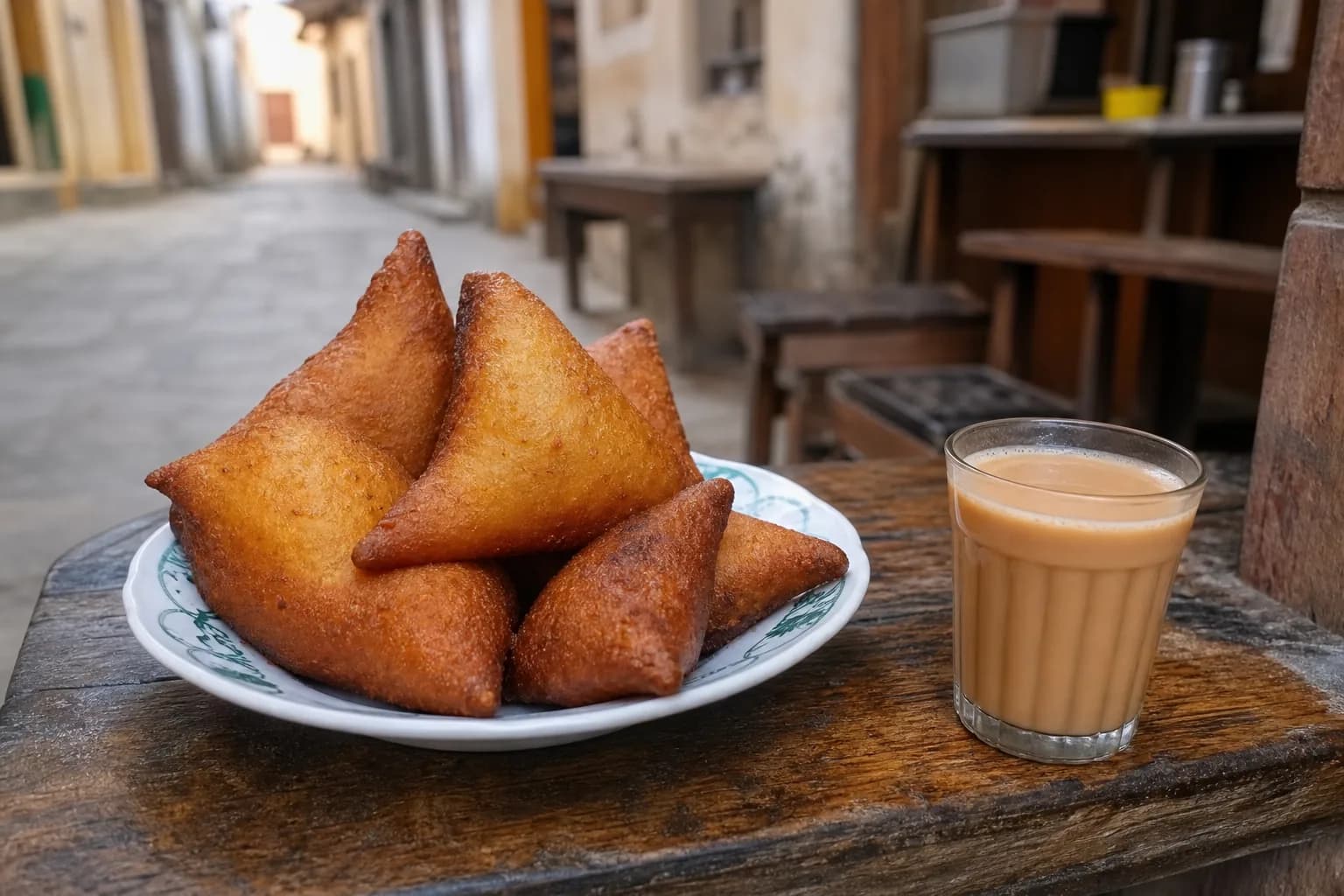
Triangles of dough made with coconut milk and cardamom, fried until they puff. Slightly sweet, not sticky, and still warm if you get there early.
They go with a small glass of spiced chai. In Stone Town, eat them on the benches at Jaws Corner, where the coffee sellers pour tiny cups of strong kahawa.
- Price
- TSh 500 to 1,000 ($0.20 to $0.40)
- Where
- Morning tea stalls all over Stone Town and in every village.
Madafu, fresh drinking coconut
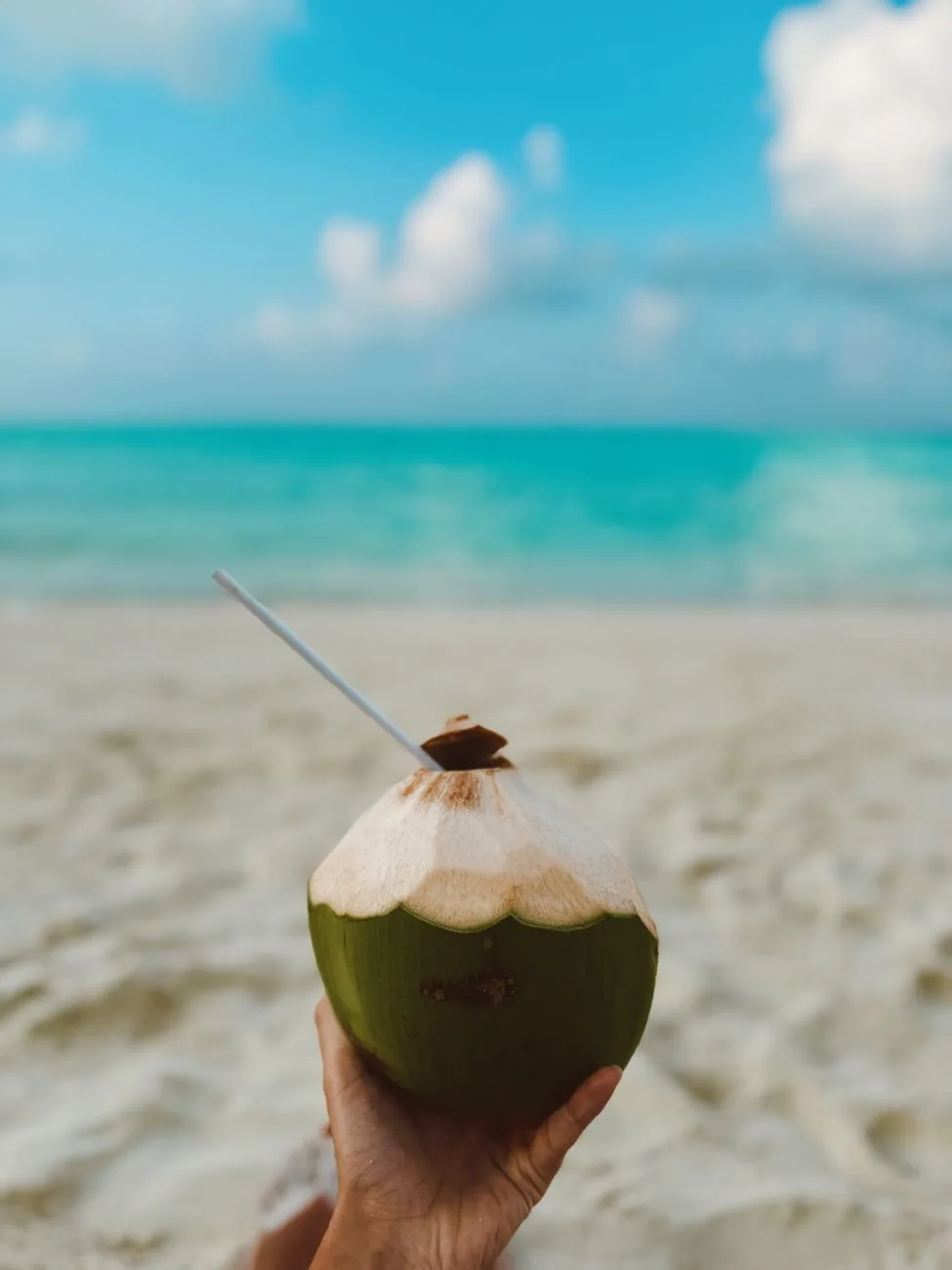
A young green coconut with its top cut off with a machete in three strokes. You drink the water, then the seller splits it so you can scrape out the soft jelly with a sliver of the shell.
It is the best drink on the island in the heat, and sealed until it is opened.
- Price
- TSh 1,000 to 2,000 ($0.40 to $0.75)
- Where
- Darajani market, roadsides and beach sellers. A beach bar charges several times more.
Sugar cane juice, pressed to order
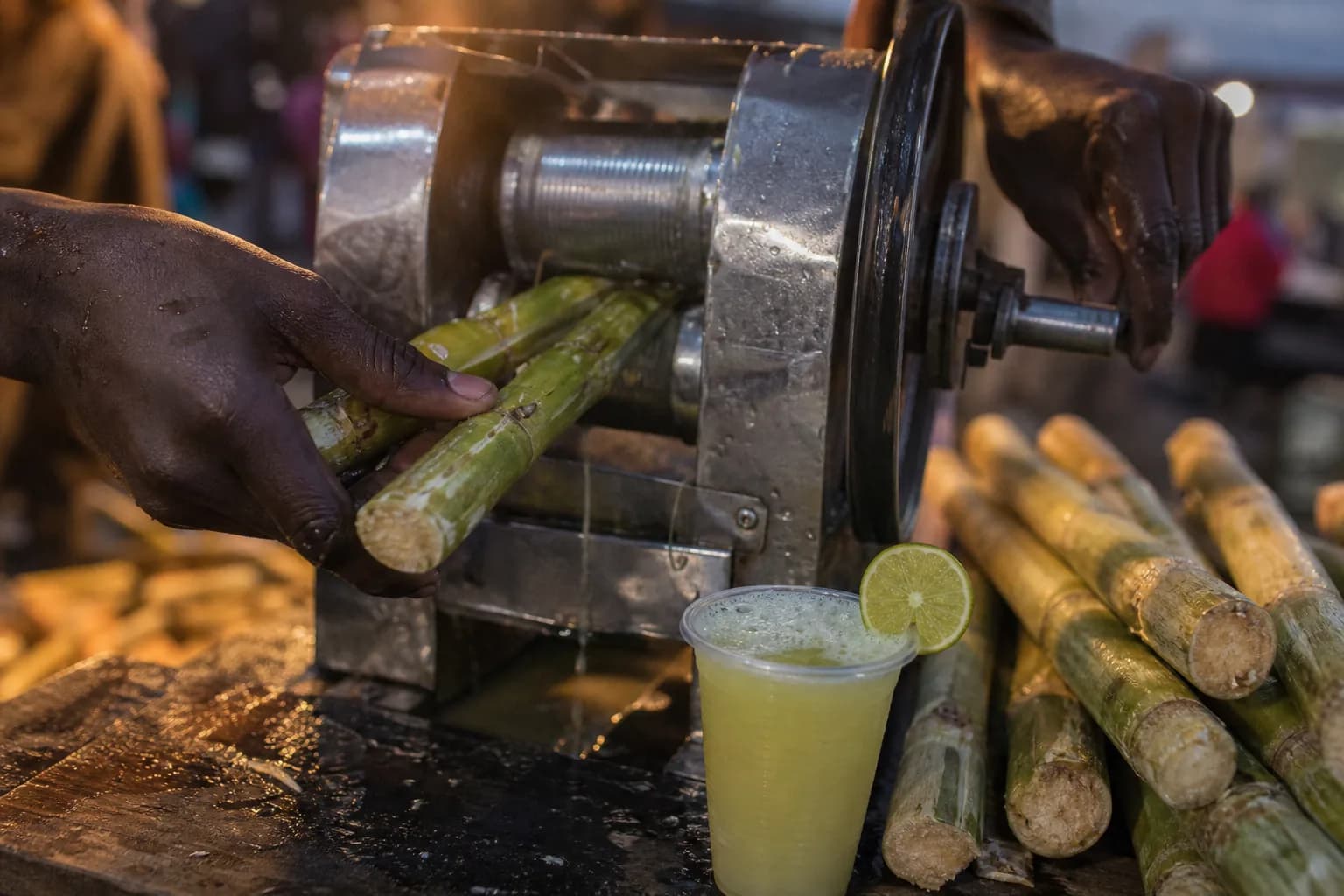
Juisi ya miwa: canes fed through a hand-cranked press with ginger and lime squeezed in. Cold, green, very sweet and sharp at the same time.
Have it, and ask for no ice.
- Price
- TSh 1,000 to 2,000 ($0.40 to $0.75)
- Where
- Forodhani, where the presses run all evening, and a few carts around Darajani.
Forodhani night market: worth it, or a tourist trap?
Both. Every evening from about six, the seafront gardens below the Old Fort fill with grills and the town comes out to eat. It is a real local evening, families on the walls and boys diving off the jetty, and it is also where more visitors get overcharged and ill than anywhere else in Stone Town. Which of the two you get depends almost entirely on what you order.
The trap is the seafood. Long tables of lobster tails, king prawns, calamari and kingfish are laid out on ice under bright bulbs, most of it already cooked and only warmed on the grill once you point at it. Food that has sat out since six, reheated at ten, is how most bad nights in Zanzibar begin.
What to eat at Forodhani Gardens, and what to skip
| Order | Skip |
|---|---|
| Zanzibar pizza, made to order in front of you | Displayed lobster and prawns, precooked and reheated |
| Beef mishkaki from a stall grilling raw meat | Anything on a platter that is already assembled |
| Urojo, served hot from the pot | Seafood after nine, whatever the stall says |
| Sugar cane juice, pressed while you wait | Ice and cut fruit that has been sitting uncovered |
| Chai and a sweet mandazi to finish | The stall whose tout walked you over to it |
Forodhani night market prices
Prices are not reliably posted, and the price you are quoted depends on how you look. As a guide: Zanzibar pizza TSh 3,000 to 5,000, a meat skewer TSh 2,000 to 4,000, cane juice TSh 1,000 to 2,000, and a seafood skewer from about TSh 6,000. Five dollars fills you. TSh 20,000 to 30,000, eight to twelve dollars, buys a long evening of grazing.
Agree it first
Best time to visit Forodhani Gardens
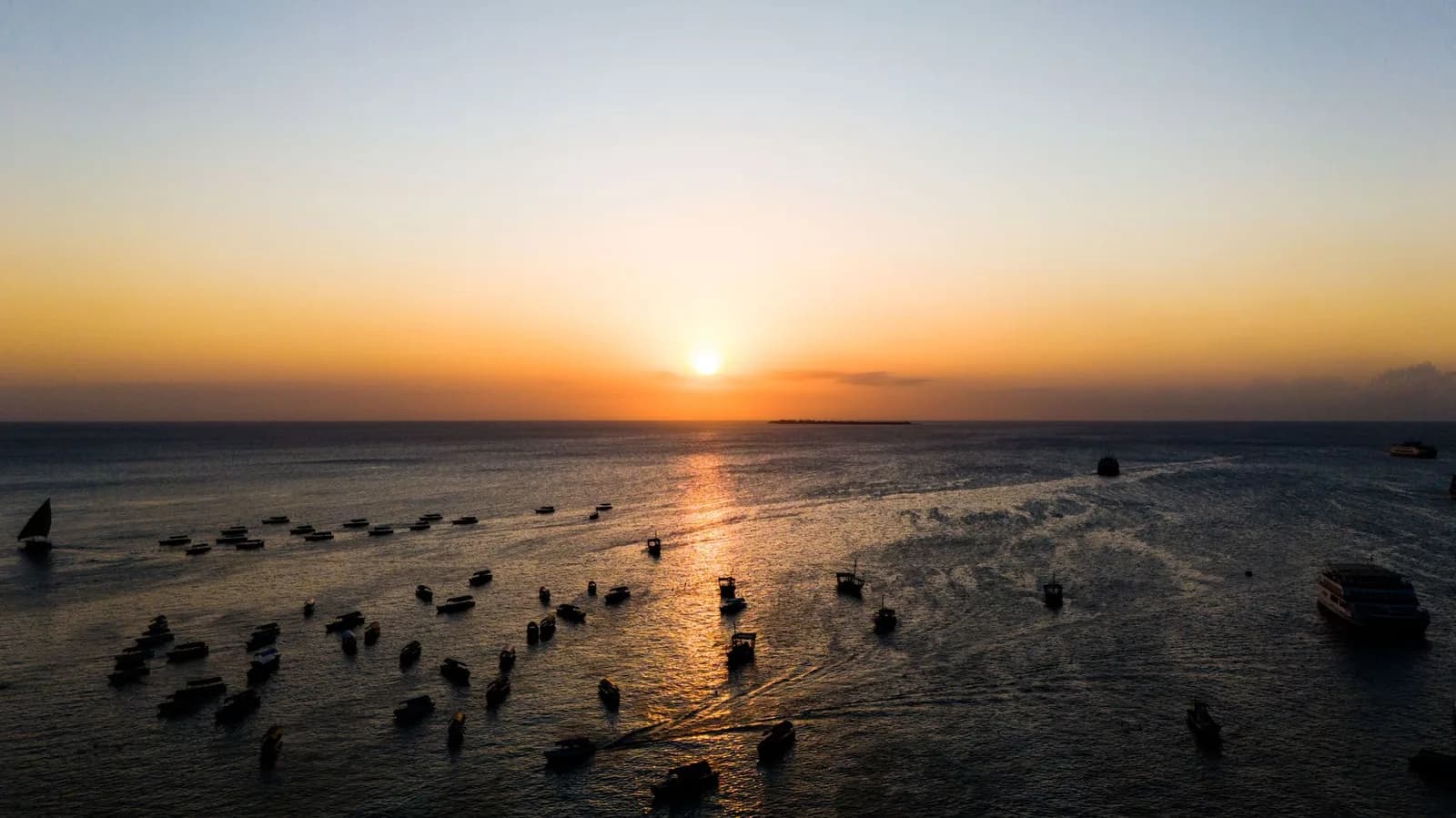
Get there between six and half past, as the sun drops behind the dhows and the first grills are lit. The food is freshest then, the light is at its best, and you can watch the jetty divers before the crowd arrives. By eight it is packed. By ten the stalls are pushing whatever did not sell. If you are staying on the coast, this is the strongest argument for a night or two in Stone Town rather than a day trip.
Best restaurants in Stone Town
Six places that cover lunch, a sunset drink and one proper dinner, plus Forodhani for the evenings in between. Anywhere on the Shangani seafront costs about twice as much as the same food two lanes inland.
| Where | What you get | Per person |
|---|---|---|
| LukmaanMkunazini, under the baobab$3 to $6 a dish | Zanzibari canteen: point at the trays, sit down, eat. Biryani, pilau, coconut fishWhere Stone Town eats lunch. Go before one, when it is all fresh | $3 to $6 a dish |
| Emerson Spice Tea HouseRooftop, in the old town$55 a head, set menu | An eight-course set seafood dinner, first course at 7pm sharpThe rooftop view at dusk. Book ahead, a deposit is taken | $55 a head, set menu |
| 6 Degrees SouthShangani seafrontMid-range, $15 to $30 | Grill and wine bar over three terraces, rooftop bar above. Open noon to midnightSteak, fish, and a proper wine list | Mid-range, $15 to $30 |
| TatuShangani, next to Tippu Tip's HouseMid-range, $15 to $30 | Pub, restaurant and rooftop over three floors, with a big whisky listSunset from the rooftop, and a cold beer | Mid-range, $15 to $30 |
| Mercury'sSeafront, by the portMid-range, VAT added to the menu price | Seafood, pizza and fish soup on an open deck over the waterA sundowner more than a meal. Pay in shillings | Mid-range, VAT added to the menu price |
| Stone Town CaféKenyatta RoadCafé prices, under $10 | Breakfasts, wraps, cakes and good coffee, 8am to 10pmBreakfast when your guesthouse does not do one | Café prices, under $10 |
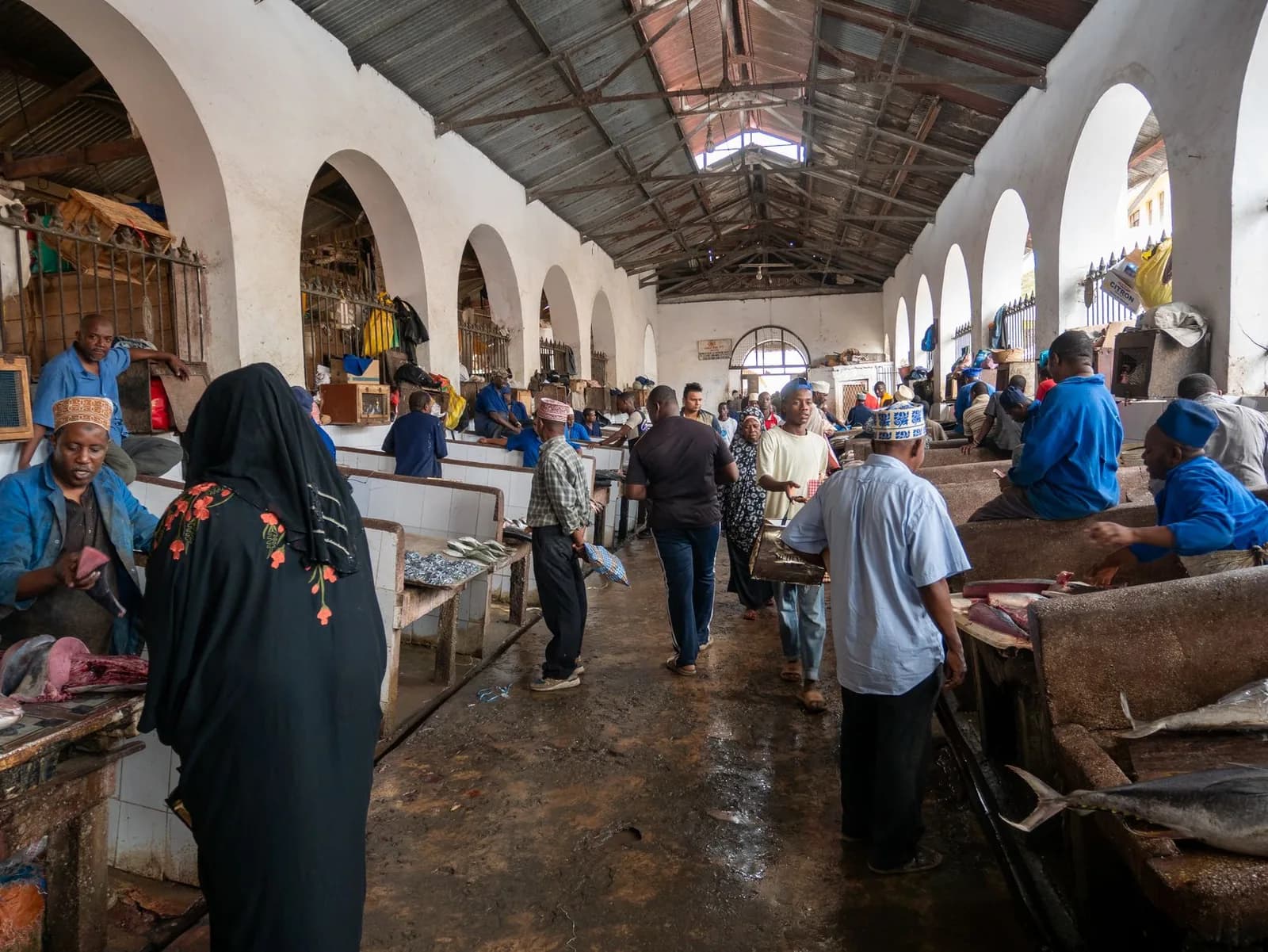
For raw ingredients, and the best fruit you will eat on the trip, go to Darajani market in the morning: the fish hall, the meat hall, mangoes and jackfruit piled by the kilo, and a spice section cheaper than any plantation stall.
Best restaurants in Zanzibar outside Stone Town
The beach coasts eat differently: a lot of grilled fish, a lot of Italian cooking (Italy sends more visitors here than almost anywhere, and the kitchens follow), and buffets. The best meals are usually in the plain village restaurants just behind the sand.
| Where | What you get | Per person |
|---|---|---|
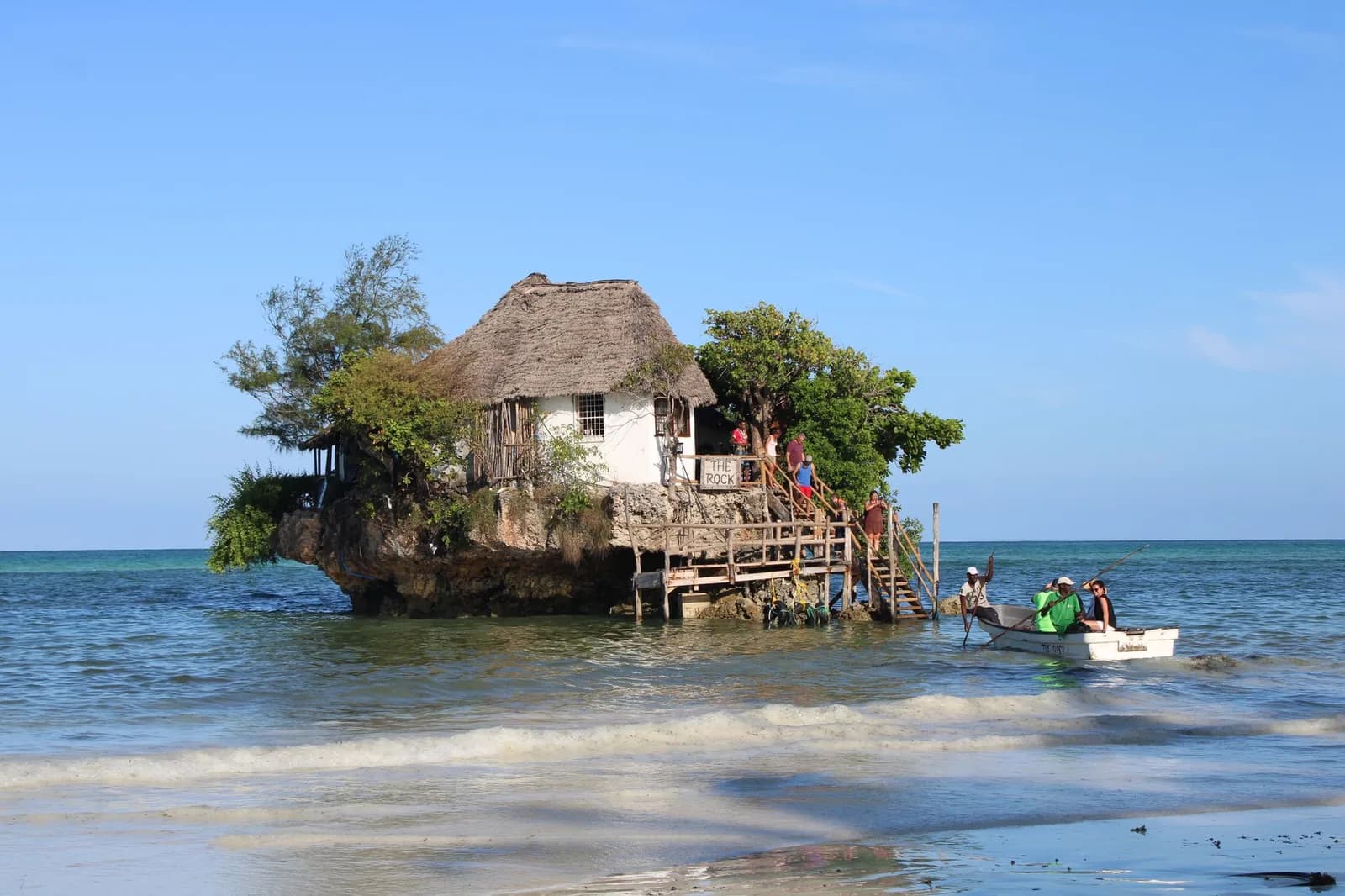
| The RockPingwe, south-east$60 to $90 with drinks | Seafood on a coral outcrop, reached on foot at low tide, by boat at highThe view is what you pay for. Book, the $10 deposit is non-refundable | $60 to $90 with drinks |
| Mr KahawaPajeCafé prices | Beach café with healthy and vegan food and good coffeeLunch between two kite sessions. Reviews say it serves no alcohol | Café prices |
| Kae FunkMichamvi, west-facingBeach bar, $10 to $20 | Beach bar and kitchen facing the sunset, with live musicThe east coast's one real sunset. Arrive before six | Beach bar, $10 to $20 |
| Kendwa RocksKendwa, north-west$10 to $25 | Zanzibari, Indian and Thai dishes, plus sushi. Beach parties on SaturdaysDinner on the sand, then the full moon party, which has a $5 entry | $10 to $25 |
| Local canteensAny village behind the beach$3 to $6 | Pilau, fish curry, chapati, chipsi mayai. Rarely a menuWalk ten minutes inland and the price of the same fish drops by two thirds | $3 to $6 |
The Rock gets a full page of its own, including how the tide decides whether you walk or take the boat: The Rock Restaurant, prices and booking. Reviewers generally agree the food is fine and the setting is what you are paying for.
Stone Town food tours and cooking classes
A guided evening makes sense on your first night. The guide orders, knows which stalls grill fresh, and pays local prices, which on its own covers a good part of the fee. After that, you can do Forodhani alone.
Food walks and a cooking class
Prices, ratings and review counts as the partner shows them, on the date below the cards. The evening walk from Darajani is the one with the track record. The cooking class runs on a spice farm, not in town.
Stone Town street food walk, Darajani to Forodhani
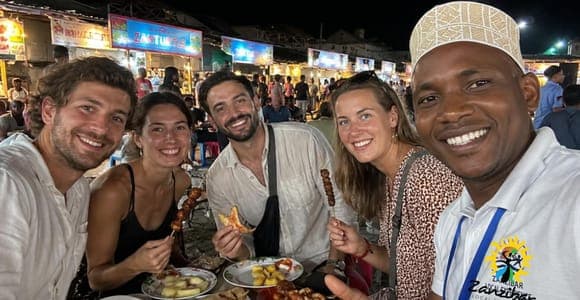
Three hours from six in the evening, with a local guide ordering for you.
Stone Town street food walk with hotel transfer
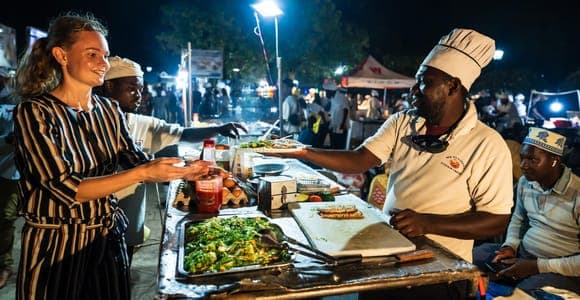
The same evening from the coast, with the car there and back included.
From$30per person
Check availability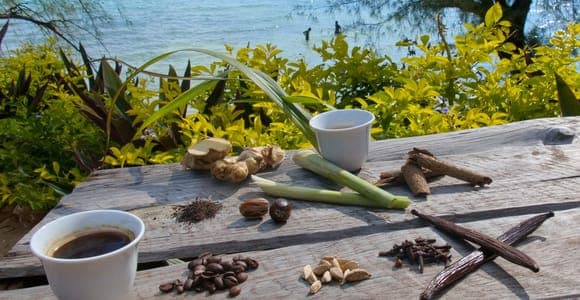
Swahili spice tour and cooking class
The plantation, then a meal cooked with what you picked.
From$26per person
Check availabilityPrices, ratings and review counts read from GetYourGuide on 27 September 2026, and indicative. These are partner links: the price is the same for you.
Zanzibar food prices: what eating out costs
It is two economies side by side, and the gap is wider for food than for anything else. At around 2,650 shillings to the dollar:
| What | Per person |
|---|---|
| Mandazi and chai for breakfast | Under $1 |
| Urojo, a skewer and a cane juice from the street | $3 to $4 |
| An evening at Forodhani | $5 to fill up, $8 to $12 to graze |
| Lunch at a local canteen | $3 to $6 |
| Dinner at a beach restaurant on the east coast | $10 to $20 |
| Dinner at a Stone Town rooftop or a resort | $25 to $55 |
| The Rock, with drinks | $60 to $90 |
Is street food in Zanzibar safe to eat?
- Don't drink the tap water, and brush your teeth with bottled water if your stomach is sensitive. Bottled water is sold everywhere and costs very little.
- Eat where there is turnover. A busy stall with a queue of locals cooks everything fresh. A quiet stall reheats.
- Raw to hot, in front of you. The simplest rule for street food, and it rules out the displayed seafood straight away.
- Be careful with ice and salads anywhere that looks improvised. Hotels and good restaurants use filtered water.
- Fruit you peel yourself is always fine. Madafu is sealed until it is cut open.
The rest of the health side, from water to insurance, is in staying safe in Zanzibar.
Eating in Zanzibar during Ramadan
In 2027 Ramadan is expected to run from about 8 February to 8 March, depending on the moon. Zanzibar takes it seriously. In 2026 the tourism commission ordered restaurants outside hotels to close during daylight and reopen after sunset, with hotel restaurants serving their own guests on site. The rules for 2027 have not been announced yet, but expect the same.
- By day in Stone Town, most local restaurants and street stalls are closed. Eat at your hotel, and don't eat, drink or smoke in the street.
- After sunset, the town breaks its fast and the streets fill again. Forodhani comes alive a little later than usual, around seven.
- On the beach coasts, resorts carry on almost as normal, so the impact is much smaller.
Zanzibar spices in the food
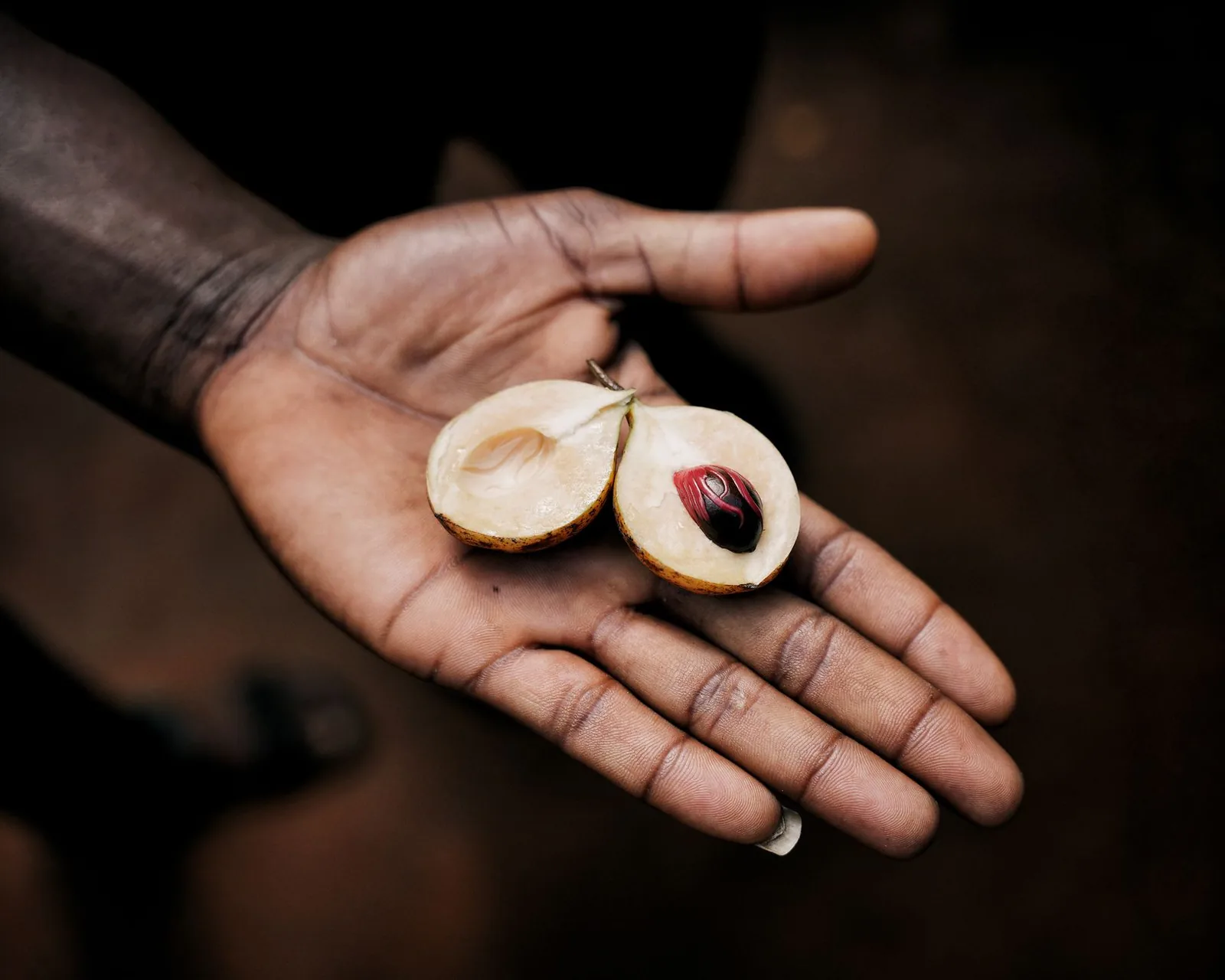
Almost nothing here is hot. The heat comes from the chilli sauce you add yourself. What makes the food taste of Zanzibar is the spice: cloves in the pilau, cardamom in the mandazi and the chai, cinnamon and black pepper in the biryani, and turmeric in the urojo. All of it grows on the island.
The half day that ties it together is the spice tour. You walk a plantation, then eat a lunch cooked from what you just walked past. For spices to take home, Darajani is cheaper than the farm stalls.
Zanzibar food: questions people ask
What kind of food is Zanzibar famous for?
Swahili coastal cooking, built on coconut, rice, seafood and the island's own spices, with Indian, Omani and Persian layers on top. The dishes people come back talking about are Zanzibar pizza and urojo from the street stalls, and octopus or fish in coconut curry from a proper kitchen. Cloves, cardamom and cinnamon run through almost everything, without making it hot.
Is it cheap to eat out in Zanzibar?
Outside the hotels, very. Street food costs one or two dollars a dish, a plate of pilau or curry at a local canteen three to six, and an evening at Forodhani night market eight to twelve. Resort and rooftop restaurants charge European prices, twenty five to fifty five dollars a head. The same fish costs a third as much ten minutes inland from the beach.
What are the must-try foods at Forodhani?
Zanzibar pizza made in front of you, beef mishkaki straight off the charcoal, a bowl of urojo, and sugar cane juice pressed with ginger and lime. Skip the tables of seafood that have been on display since early evening: the lobster and prawns are usually precooked and then reheated on the grill.
What time is best to visit Forodhani Gardens?
Arrive between six and half past, around sunset, when the grills are lit and the food is at its freshest. By eight the crowd is at its peak. After nine the displayed seafood has been sitting for three hours, and that is when stomachs get upset. During Ramadan the market wakes up after the sunset prayer, closer to seven.
Is Forodhani night market safe to eat at?
Yes, if you eat what is cooked to order. Choose busy stalls where locals are queuing, eat things that go straight from raw to hot, agree the price for each skewer before it goes on the grill, and give the pre-cooked seafood displays a miss. Most complaints come from people who ate the reheated lobster late in the evening.
What is Zanzibar pizza?
A square parcel of paper-thin dough filled with minced meat, onion, egg and cheese, folded and fried on a flat griddle. There are vegetable, chicken and seafood fillings too, plus a sweet one with banana and chocolate. It costs three to five thousand shillings at Forodhani and has nothing in common with Italian pizza apart from the name.
Can you drink alcohol in Zanzibar restaurants?
In hotels, tourist restaurants and beach bars, yes. Many local Swahili canteens do not serve it, since this is a Muslim island, and nobody drinks in the street. In Stone Town, Tatu, 6 Degrees South and Mercury's all serve alcohol. Local beers such as Kilimanjaro and Safari are cheap, while imported wine is expensive.
Is it easy to eat vegetarian in Zanzibar?
Easier than you would expect, thanks to the Indian influence. Chapati, bean curries, coconut vegetable curries, bhajia, chipsi mayai and vegetable Zanzibar pizza are everywhere. Watch out for the meatballs in urojo and the stock used for pilau. The Paje cafés are the most vegetarian-friendly stretch of the island.