
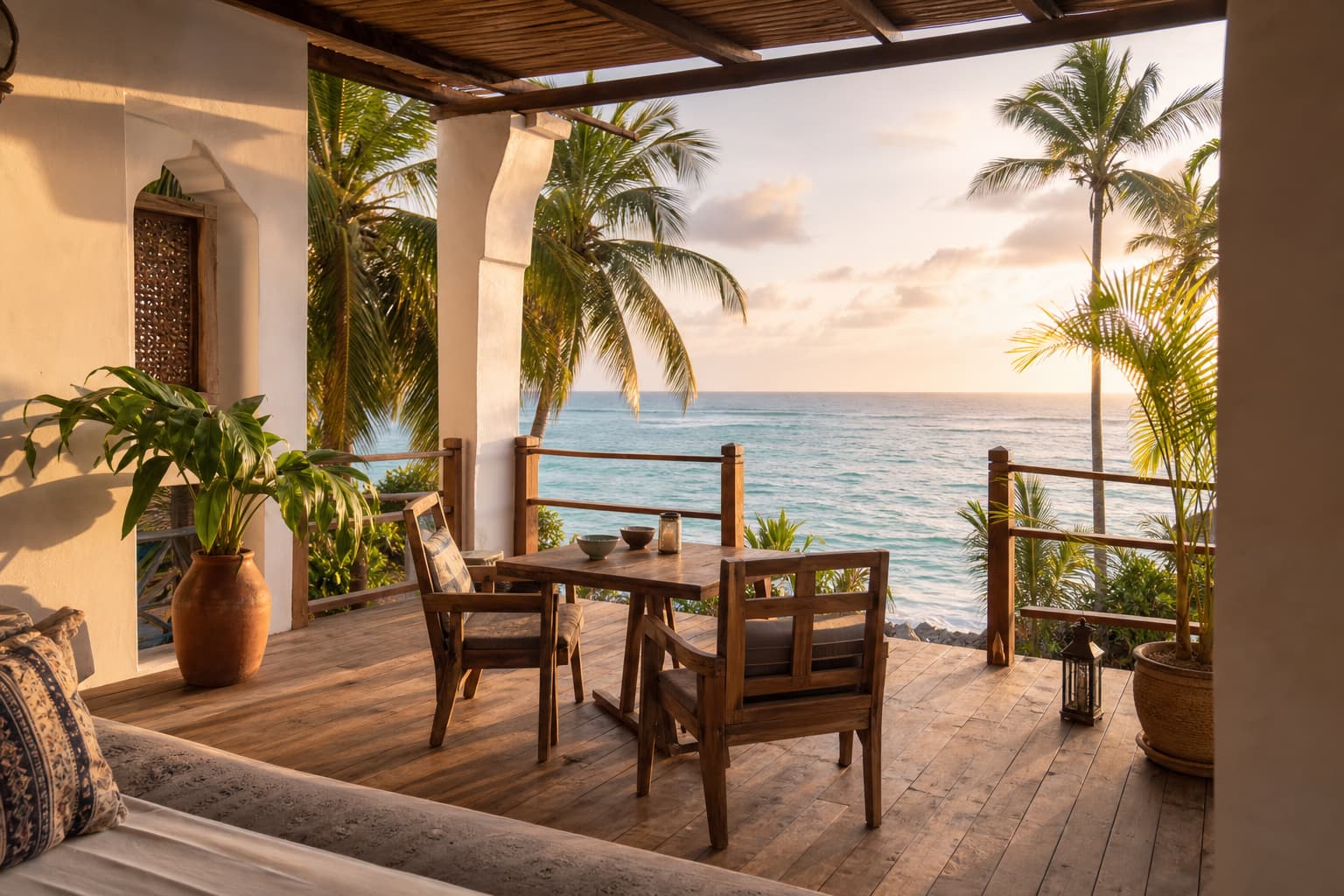
Where to stay in Zanzibar
Booking sites will show you four hundred hotels sorted by price and rating, which is the least useful way to choose here. The coast matters more than the hotel, because the coast decides whether there is any sea at three in the afternoon.
Updated 10 September 2026
Booking in the right order
Four questions, and answering them in this order removes almost every way this goes wrong.
- Which coast, before which hotel. The tide decides whether you can swim after lunch, and no hotel can change it. See north or east.
- Two nights in Stone Town at the front. Twenty minutes from the airport rather than ninety, and cheaper than the beach hotel you would be driving to.
- Then the hotel, on that coast. At this point it is a filter rather than a decision, and free cancellation is worth having.
- Then the transfer. Thirty to sixty dollars each way per car, and the line people forget. See airport transfers.
Book a room in Zanzibar
Decide the coast first and the hotel second. Once the area is settled the rest is a filter, and free cancellation is worth having on an island where the tide can change your mind.
Rooms at Zanzibar
Every area on one map, with the northern tip, the east coast and Stone Town all priced side by side. Sort by price and the tide explains most of the gap.
See places to stay at ZanzibarPartner link. The price is the same for you.
Four questions, in this order
Pick the coast, not the hotel
The northern tip lets you swim at any hour and costs the most. The east coast empties twice a day and costs a third less. Every other decision follows from this one.
Check the tide at that specific beach
It varies within a coast. Pongwe holds water when Kiwengwa fifteen minutes away does not. A hotel's own photographs will always show high water.
Ask how far the second restaurant is
Small hotels on quiet coasts often have one kitchen and no neighbours. Seven nights of the same menu is the most common complaint about otherwise excellent places.
Then compare hotels
By which point there are perhaps a dozen candidates rather than four hundred, and the star ratings finally mean something.
Step one and step two are both about the tide, which is not a coincidence. What the tide does, coast by coast is the page to read before you open a booking site.
Every area, price and swim window
One table, because the decision is really three variables: what a night costs, how long the transfer is, and whether there is water to swim in when you want it.
| Area | A night | From the airport | Swim window | Suits |
|---|---|---|---|---|
| Nungwi | $80 to $400 | 1 h 30 | All day | First trips, families, people who want options on foot |
| Kendwa | $70 to $500 | 1 h 25 | All day | Couples, and the same tide with less noise |
| Matemwe | $70 to $900 | 1 h 10 | 3 to 4 h around high water | Divers, snorkellers, honeymoons |
| Kiwengwa | $60 to $300 | 1 h | 3 to 4 h around high water | All inclusive, families with a pool |
| Pongwe | $90 to $350 | 1 h | Most of the day | Couples who want the east coast without the tide |
| Paje | $40 to $200 | 45 min | 2 to 3 h around high water | Kitesurfers, remote workers, anyone who wants a strip |
| Jambiani | $30 to $180 | 45 min | 2 to 3 h around high water | Budgets, slow travellers, second trips |
| Bwejuu | $50 to $250 | 50 min | 2 to 3 h around high water | Couples, and doing nothing on purpose |
| Stone Town | $40 to $400 | 20 min | No swimming | Two nights at the start, for everybody |
The swim window column is the one to read first. A two to three hour window that shifts fifty minutes later every day is a completely different holiday from swimming whenever you like, and it is what separates these places far more than the price does. See how the tide works.
The six areas, and what each one is for
Zanzibar has no single best area, and the question is really which trade you want to make. Swimming at any hour costs money and crowds. Quiet and cheap costs you the sea for four hours a day. Everything below is that trade, stated plainly.
Stone Town
$40 to $120, and $300 plus at the topBest for a first night, and for culture
Twenty minutes from the airport, which is the practical argument. Every beach is at least fifty minutes further.
Restored merchant houses with rooftop terraces, carved doors and thick coral stone walls, at a fraction of what comparable quality costs on the coast. The former slave market, Darajani and Forodhani are all on foot.
You cannot swim here. Two nights at the start of a trip is the right dose, and it makes the beach half mean something.
Nungwi and Kendwa
$60 to $200, and $300 plus at the resortsBest for swimming, and for a first trip
The northern tip, where the tidal range is about a metre and you can get in the water at any hour. That single fact sets the prices and the crowd.
Nungwi has the restaurants, the dive centres and the boats. Kendwa, two kilometres along, has the wider beach and the quiet, apart from one night a month.
It is the busiest coast on the island and it is the one nobody regrets on a first visit.
Paje
$30 to $120Best for kitesurfing and for working remotely
The south east, with a shallow lagoon that empties for half of every day and the wind that made it a kitesurfing centre.
It has the best food scene on the east coast, coworking spaces with backup power, and a crowd that skews young and stays long.
The trade is the tide. Swimming happens in a window of about four hours that moves later each day.
Jambiani and Bwejuu
$20 to $80Best for quiet, and for the budget
Four kilometres south of Paje and the same lagoon, at a third of the northern price. Jambiani is a working village with guesthouses in it rather than a resort strip.
Bwejuu, further north, is quieter still and has almost nothing on it beyond palms and a handful of hotels.
This is where a week costs what three nights cost in Nungwi, and the sand is the same sand.
Matemwe and Pongwe
$80 to $400Best for couples and for snorkelling
The north east, with small hotels spaced along several kilometres rather than a strip. Matemwe is the closest land to Mnemba atoll and is where divers stay.
Pongwe, just south, sits in a pocket of reef that holds water at low tide when the coast either side of it drains. It is the exception on this coast and the reason a handful of hotels have quietly clustered there.
Both are quiet to the point of isolation. There is very little outside the hotels.
Kiwengwa
$120 to $350 for a family roomBest for all inclusive and for families
The east coast resort strip, developed since the nineties and priced well for what it is. Kids' clubs are concentrated here and the beach runs for kilometres.
The lagoon empties like the rest of this coast, which is why the pool is not a luxury but the answer to four hours of every day.
There is almost nothing to eat outside the hotels, which is why all inclusive works better here than it looks like it should. The resorts, and when the formula stops paying, are in the all inclusive guide.
By the kind of trip you are taking
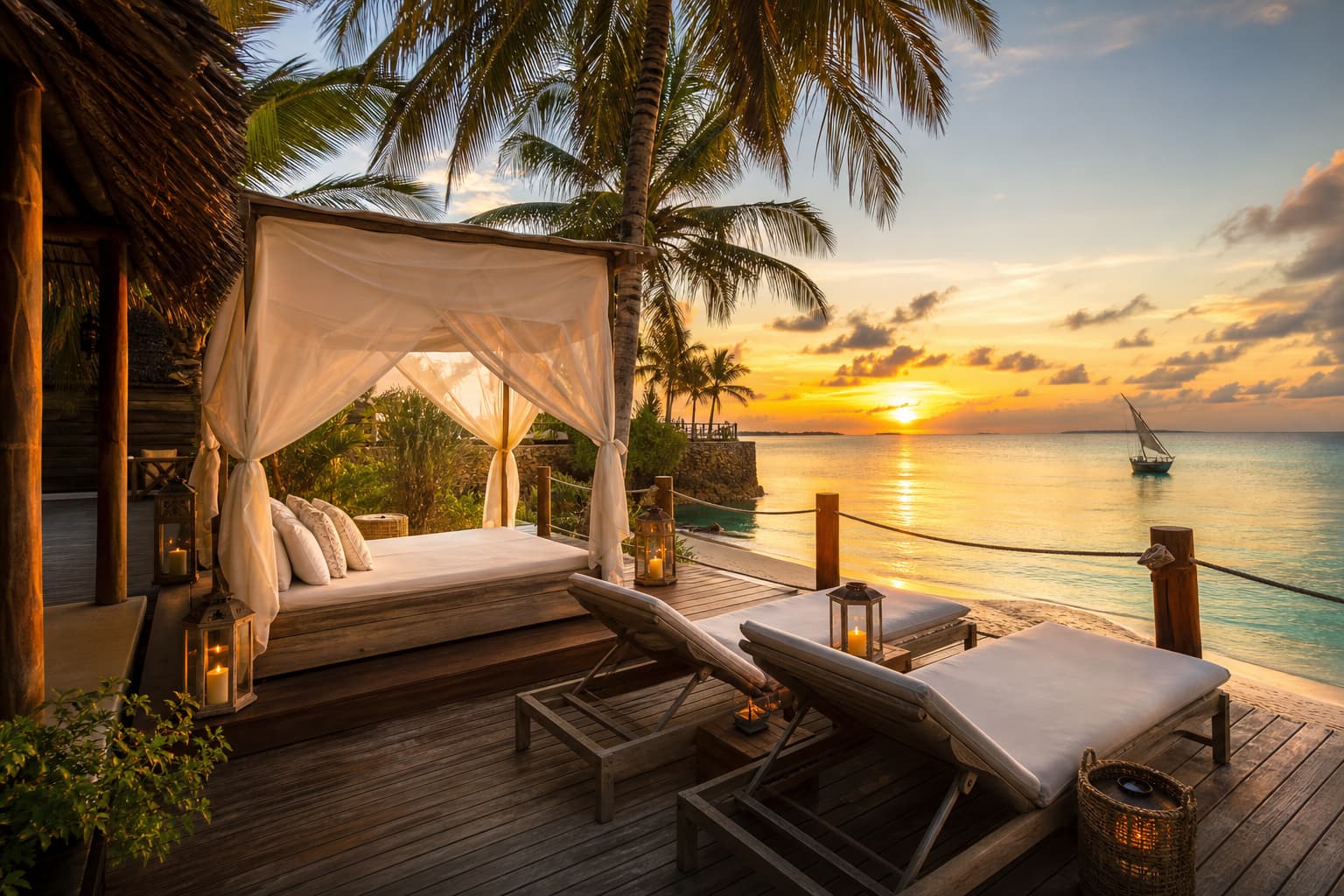
Honeymoons
Small hotels on the north east, and the two mistakes that turn a honeymoon here into a logistics exercise.
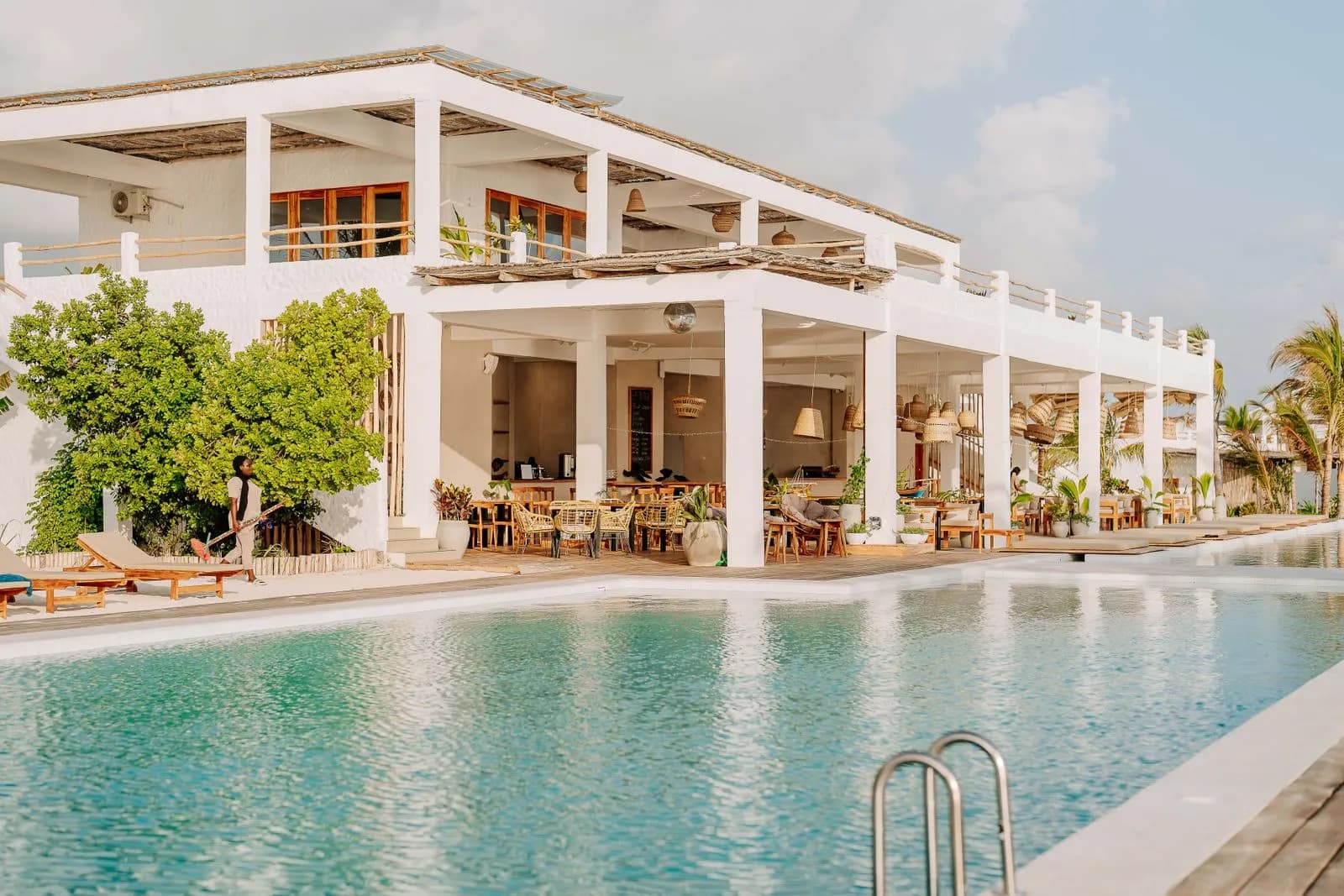
With children
The tide decides more than the kids' club does. Which coasts work, and why the pool is not a luxury.
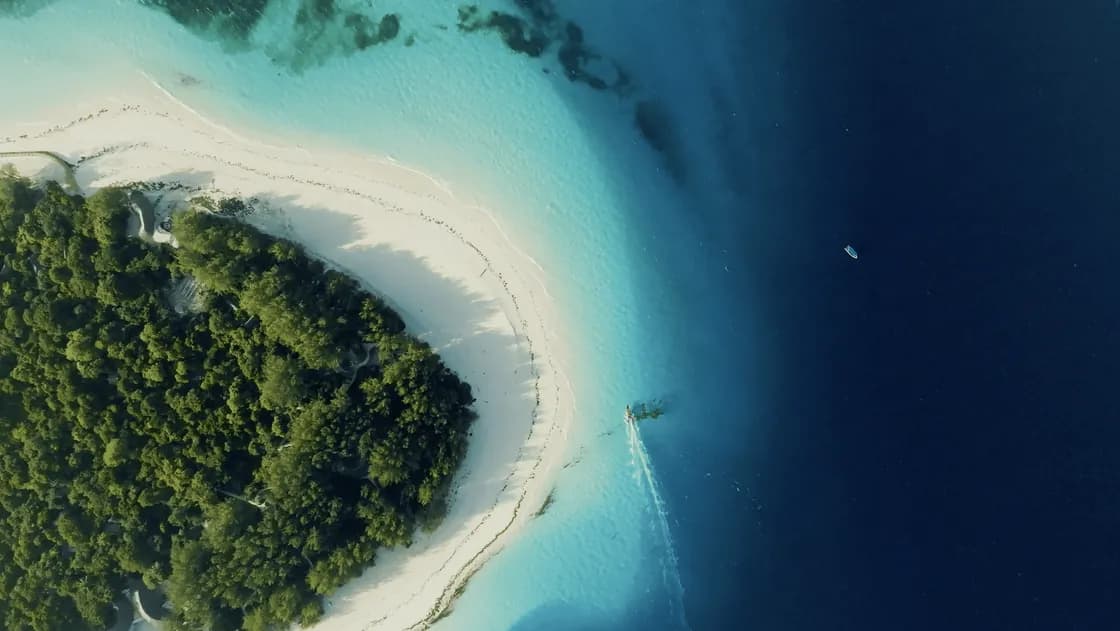
The top end
Four hundred a night buys a genuinely good resort. Everything above that buys fewer people.
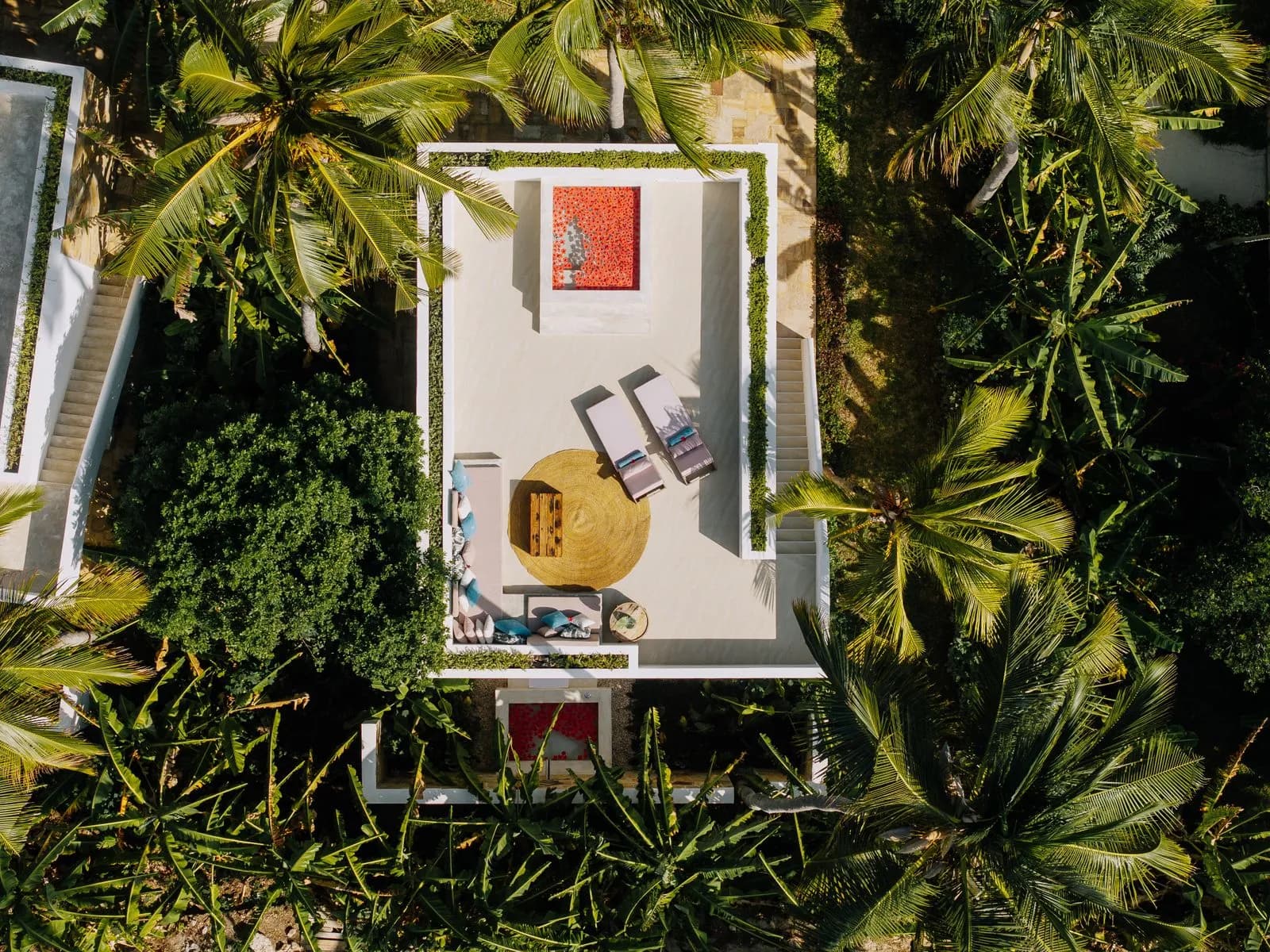
Villas and boutique hotels
From six people a staffed villa beats a resort on price per head. Eleven addresses, and the questions to ask about the generator.
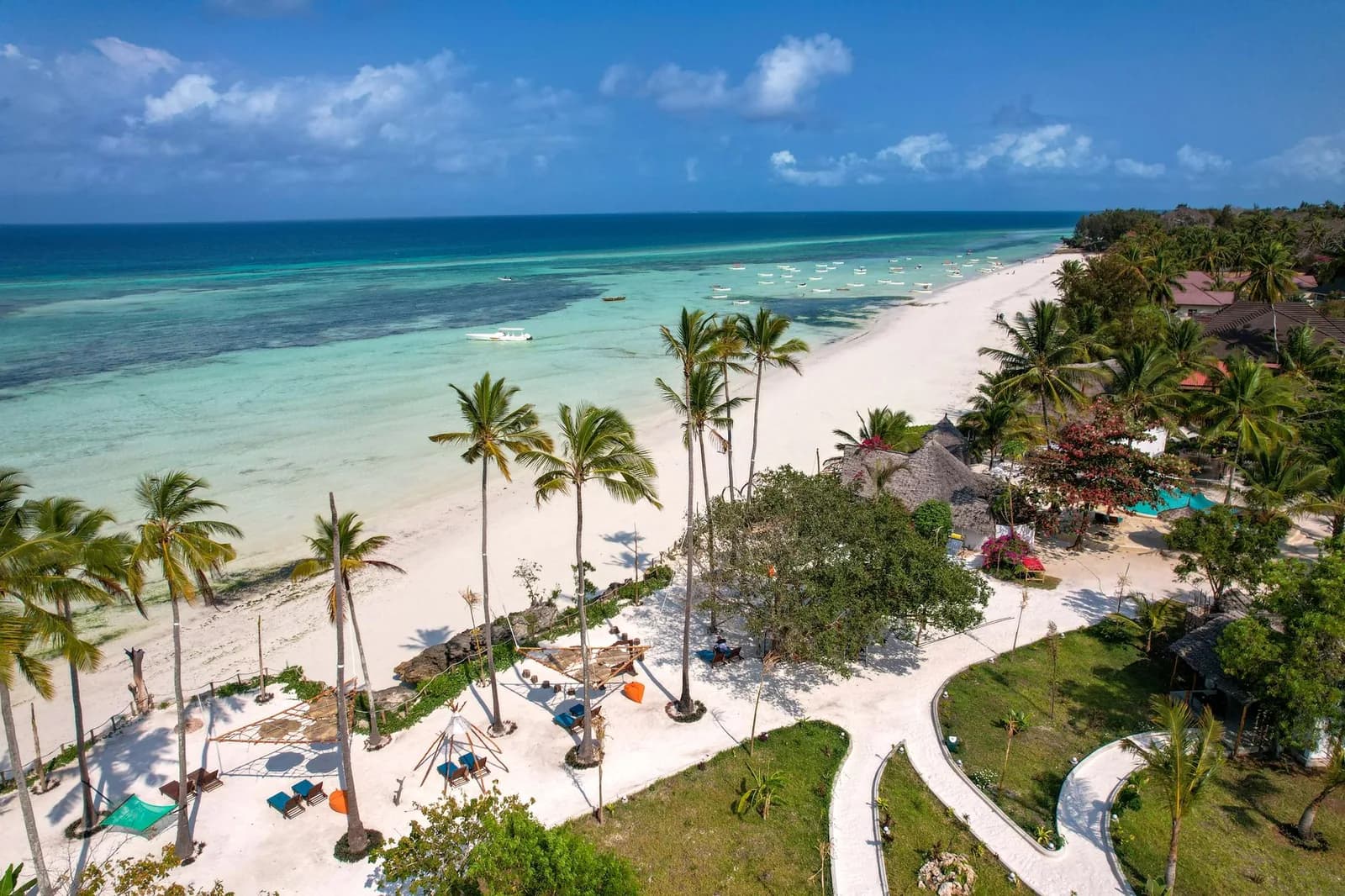
On a budget
The same sand at a third of the price, and the two hundred dollars of costs that appear in no nightly rate.
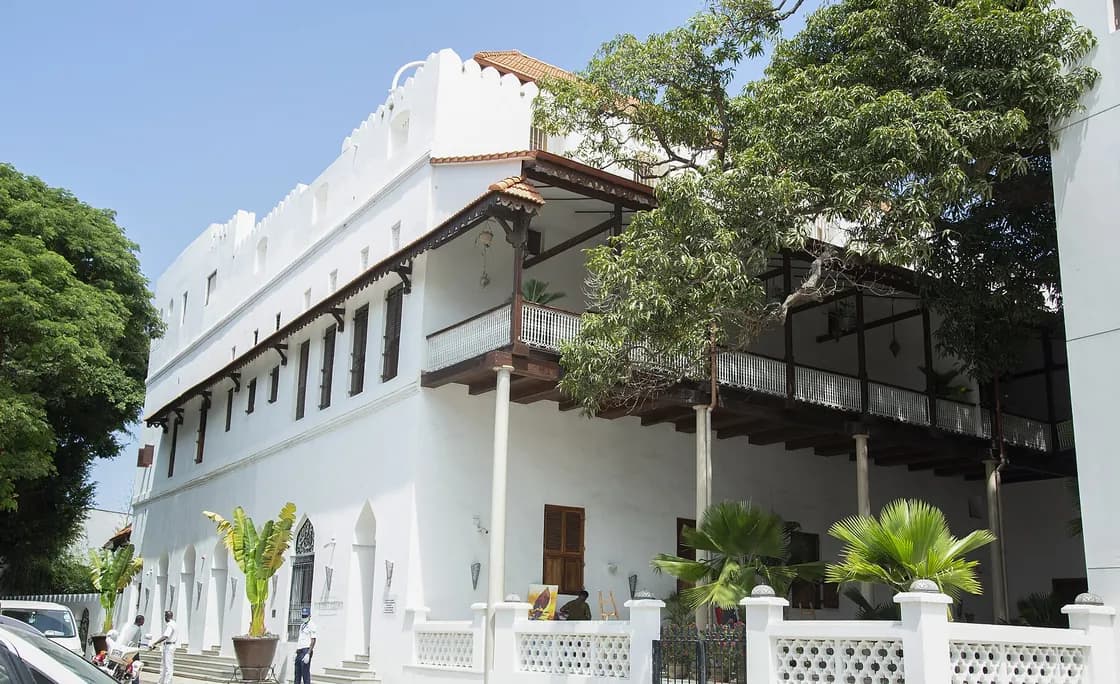
In Stone Town
Two nights in a restored merchant house at the start. Cheaper than the coast and better placed.
One thing to check on every listing
Hotel photography on this island is taken at high water, without exception. A beach that looks like the brochure at eleven in the morning can be five hundred metres of wet sand at three in the afternoon, and neither the hotel nor the booking site will mention it.
The fix takes thirty seconds. Search the hotel's name in recent traveller photographs rather than its own gallery, and look for a picture taken at low tide. If there is not one, ask them directly. A good hotel answers honestly, because the ones on the east coast have been answering that question for years.
Questions people ask about where to stay in Zanzibar
Where is the best place to stay in Zanzibar?
It depends on the trip. Nungwi or Kendwa if you want to swim at any hour and do not mind crowds. Jambiani or Bwejuu if you want quiet and low prices. Matemwe or Pongwe if you want small hotels and few people. There is no single answer and any list that gives you one is selling something.
How much does a hotel in Zanzibar cost?
Twenty to forty dollars for a guesthouse on the east coast, eighty to a hundred and fifty for a comfortable beach hotel, three hundred upwards for the good resorts, and well into four figures at the very top. Accommodation is where a Zanzibar budget goes.
Where should I stay in Zanzibar for the first time?
Two nights in Stone Town, then the northern tip at Nungwi or Kendwa. The town gives the island a context that a beach cannot, it is twenty minutes from the airport, and the north removes the one variable that catches first timers out, which is the tide.
Which is the best area to stay in Zanzibar for couples?
Matemwe or Pongwe on the north east for small hotels and almost nobody, or Michamvi at the tip of the south east peninsula for total isolation. Kendwa is the compromise, with northern tip swimming and a wide quiet beach for most of the month.
Is it better to stay in Stone Town or on the beach?
Both, in that order, and hardly anybody plans it that way. Stone Town is cheaper for comparable quality, twenty minutes from the airport rather than ninety, and it is the only part of the island with a history to see. Two nights there, then the coast.
Should I stay in one place or move around?
One place for a week, two for ten days or more. The coasts are ninety minutes apart, so a split stay costs one transfer and gives you two entirely different versions of the island. Most people who do it say it was the right call.