
Where
The northern tip, 60 km from the airport
Getting there
1 h 15 to 1 h 30 by taxi, $40 to $60
Tidal range
1 to 1.5 m, the smallest on the island
Swimming
Any hour of the day
Feel
Busy, and lively after dark
Suits
First trips, families, anyone who wants easy
Where to stay at Nungwi
Rooms at Nungwi
Everything on the northern tip, where the tide barely moves and you can swim at any hour. It is the dearest coast on the island and that is exactly what you are paying for.
See places to stay at NungwiPartner link. The price is the same for you.
Why you can swim at Nungwi at any tide
Nungwi sits at the point where the island ends. There is no wide reef platform between the beach and deep water, so the seabed falls away within a short swim of the sand.
The result is a tidal range of about a metre against three or four on the east coast, and a shoreline that moves a few dozen metres rather than several hundred. You can swim at eleven in the morning and again at four in the afternoon without thinking about it.
It is also why Zanzibar with children almost always ends up on this stretch of coast. Everything else about Nungwi follows from that. The hotels are here because the swimming is here, the prices are higher because the hotels are, and the beach is busy for exactly the same reason. The tide page sets out what the other coasts do.
Where to eat at Nungwi
Nungwi has more restaurants than the rest of the island's beaches put together, and enough of them are not hotels that you can eat somewhere different every night for a week.
The good end is grilled seafood on the sand at sunset, at fifteen to twenty five dollars a head. The cheap end is the local places back from the beach, where the same fish with rice runs four or five dollars.
Both are worth doing. The thing that surprises people is how much better the cheap version often tastes, because it is cooked by somebody who has been doing it for thirty years rather than for a menu.
The dhow builders and the turtle sanctuary
Walk to the top of the beach, past where the hotels stop, and Nungwi turns back into what it was. Dhow builders work on the sand there, by hand, on boats that take months.
There is no ticket and nothing is staged. Anyone will let you watch and most will explain what they are doing if you ask. It takes twenty minutes and it is the best free thing here.
There is also a turtle sanctuary at Mnarani, a natural tidal pool where rescued green turtles are kept. Opinions on it are mixed, the conservation work is real, and the enclosure is small. How it compares with Baraka, and where to see turtles in the wild instead, is in Zanzibar's animals and where to see them.
Boat trips from Nungwi beach
Everything leaves from here: sunset dhows, snorkelling at Mnemba, fishing, and day trips down the coast. That is the practical advantage of the north over the quieter coasts.
Book through your hotel or a shop rather than off the sand. The price difference is a few dollars and the difference in whether the boat has life jackets is not.
The sunset dhow is the one to book first, because it sells out days ahead in high season and it is the cheapest genuinely good thing on the island.
Booked from Nungwi
The sunset dhow and two morning boats that leave from this beach. Ask what time the Mnemba boat goes: seven is the one worth having.
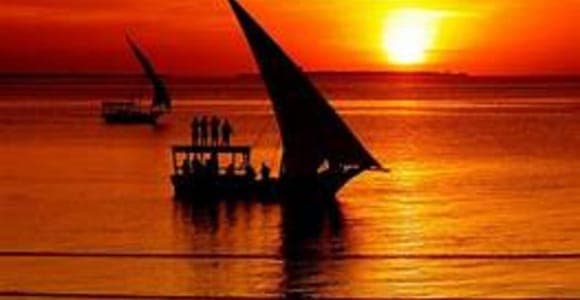
Sunset dhow cruise from Nungwi and Kendwa
Two and a half hours under sail as the light drops.
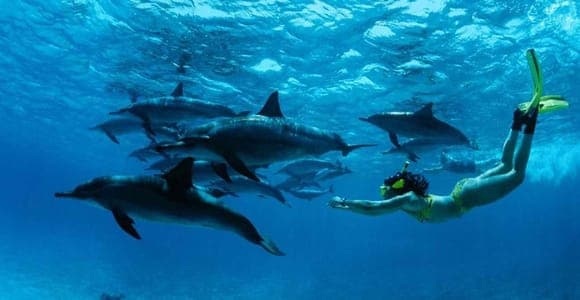
Mnemba boat trip from Nungwi
Snorkelling on the atoll, dolphins often seen on the crossing.
From$50per person
Check availability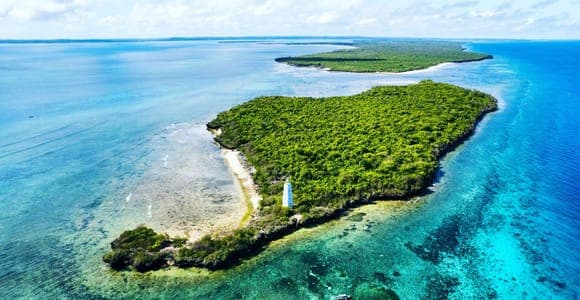
Tumbatu Island snorkelling, dolphins on the way
The quieter reef across the channel from Nungwi, a short boat ride out.
From$71per person
Check availabilityPrices, ratings and review counts read from GetYourGuide on 27 September 2026, and indicative. These are partner links: the price is the same for you.
Nungwi in high season, and what it costs
From July to August, and again around Christmas, Nungwi fills. Sunbeds are taken by nine, restaurants need booking and the boat sellers work harder.
It is still a good beach and it is a different one. Anyone whose picture of Zanzibar involves an empty stretch of sand should be looking at the east coast in those months, or at Nungwi in June and September.
Prices follow the same curve. A room that costs a hundred and twenty dollars in June is two hundred and fifty at Christmas, for exactly the same room.
What Nungwi costs
The northern tip charges a premium for the one thing it has that the east coast does not, which is water you can get into at any hour. Rooms are the line where you feel it.
| What | Low season | High season |
|---|---|---|
| Guesthouse, double | $40 to $70 | $70 to $110 |
| Mid range hotel on the sand | $100 to $160 | $180 to $280 |
| Upper end resort | $250 to $400 | $450 to $700 |
| Dinner on the beach | $15 to $25 | $20 to $35 |
| Local canteen, fish and rice | $4 to $6 | $4 to $7 |
| Taxi from the airport | $50 to $60 | $50 to $60 |
Rooms roughly double between June and Christmas for the same bed. If the budget is the constraint rather than the tide, Jambiani is half the price and a different holiday. The whole week is costed in the budget page.
Nungwi or Kendwa
Two kilometres apart, the same tide, and a genuinely different week. This is the comparison people make most often once they have narrowed it to the north.
| Nungwi | Kendwa | |
|---|---|---|
| The beach | Long, curving, busy, hotels the whole way | Wider, whiter, and fewer people on it |
| Eating out | Dozens of places, most of them not hotels | Mostly your hotel, and a handful of others |
| After dark | Bars, music, somewhere to go every night | Quiet, apart from the monthly full moon party |
| Boats and diving | Every centre and every trip leaves from here | Fewer, and most of them drive you to Nungwi |
| Suits | First trips, families, anyone who wants options | Couples, and anyone who wants the same tide with less noise |
They are ten minutes apart by taxi, so you can stay at one and eat at the other. Read the Kendwa guide before deciding, and north versus east if you have not settled the coast yet.
Should you stay at Nungwi
Stay here if
- You want to walk out of your room and into the sea without checking a table
- It is your first trip and you would rather not gamble on anything
- You want restaurants, bars and other people within walking distance
- You are travelling with children who will not wait for high water
Stay elsewhere if
- You came for quiet, because this is the busiest stretch of coast on the island
- You are on a budget, since the north charges a premium for the swimming
- You want to kitesurf, which happens on the other side of the island
- The sight of a beach lined with hotels is what you were escaping
What Nungwi beach is actually like
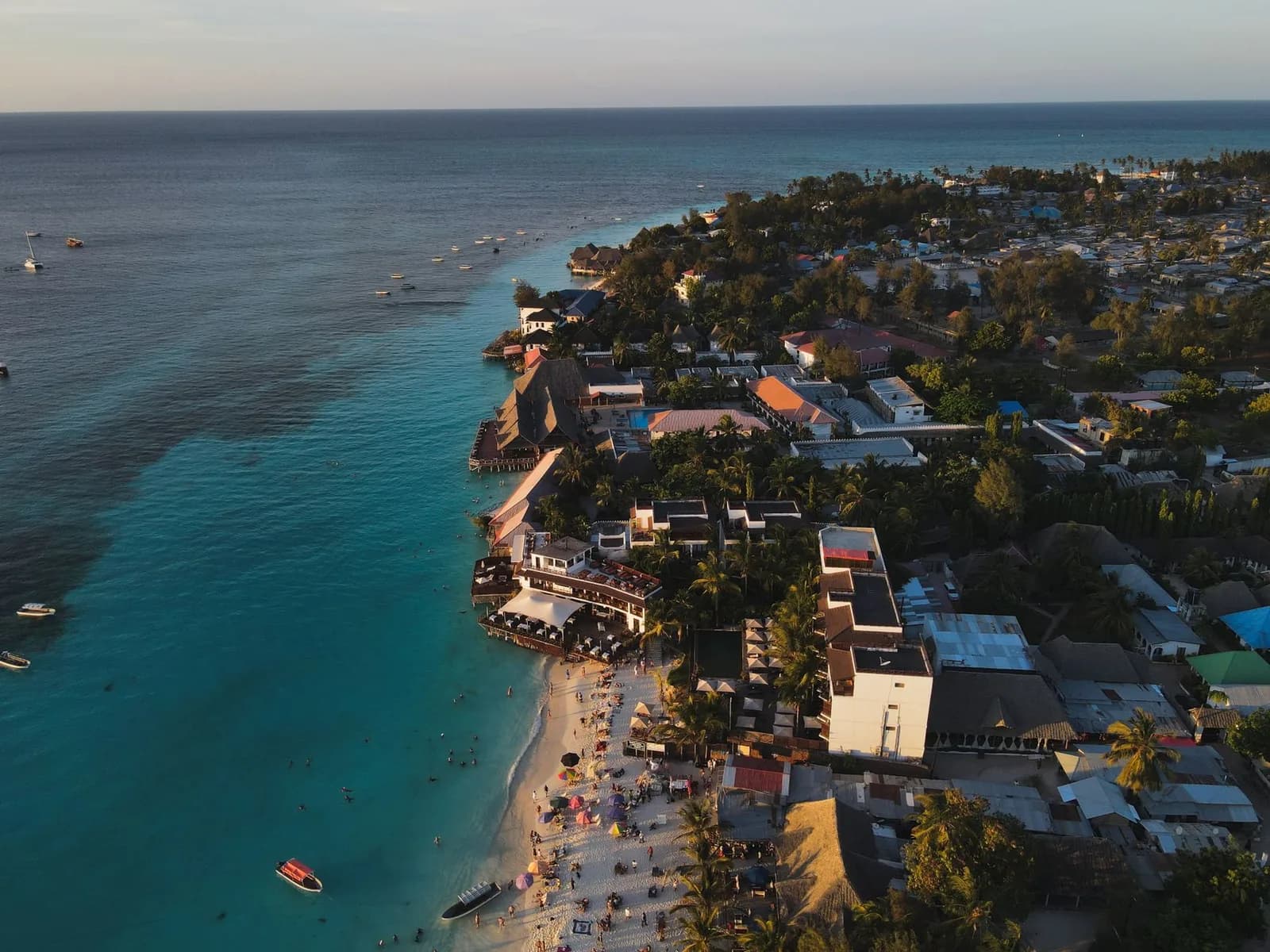
It was a fishing village and still is one, with dhow builders working on the sand at the northern end where the hotels stop. That corner is worth the walk, and it is the part of Nungwi that has not been rebuilt.
The rest is a strip: hotels along the frontage, restaurants and dive shops behind them, and a beach that fills up by mid morning. There are touts, there is music, and there are more people selling boat trips than on any other beach on the island.
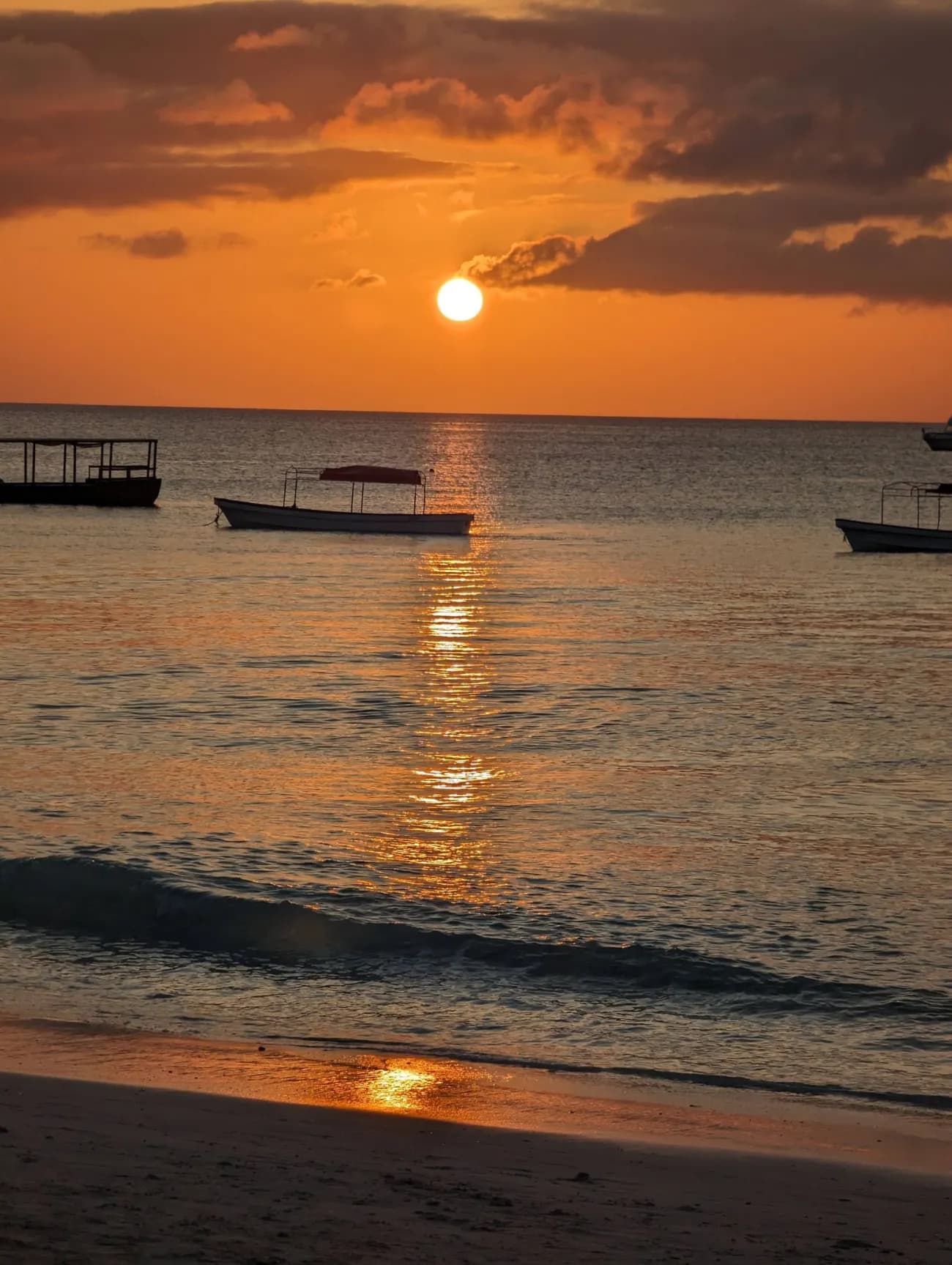
The sunsets are genuinely exceptional, and they are the one thing here nobody argues about. Nungwi faces west from a point, so the sun goes down over open water at the end of the beach rather than behind land.
Things to do at Nungwi
The beach is the reason people come and it is not the only thing here. Nungwi is the departure point for most of the island's boat trips, which is the practical advantage of the north over the quieter coasts.
The sunset dhow leaves from this beach and is the single best two hours available. Mnemba trips run from here as well, though the crossing is longer than from Matemwe and usually costs more.
Diving is well served, with several centres working the reef off the point and a couple of wrecks used for training. The diving here is decent rather than exceptional, and it is where most people on the island get certified.
On land there is the dhow yard at the northern end, the Mnarani turtle sanctuary, and a sunset that the whole beach turns out for. Beyond that, Nungwi is a place to stop rather than a place to tour.
The best time of year for Nungwi
June to October is the reliable window: dry air, clear skies and the calmest sea of the year. It is also when the beach is fullest in July and August, and when room rates peak.
June and September are the value months. Almost the same weather, half the crowd and considerably less money. September in particular is the month experienced visitors keep coming back to.
February is hot and mostly dry, with the warmest sea and the best underwater visibility. It suits divers more than sunbathers.
April and May are the long rains and a great many places here simply close. The full month by month picture covers the trade offs.
Nungwi beach hotels, and what a night costs
The frontage divides into three. The northern end, past the hotels, where the village and the dhow yard are and where a handful of small guesthouses sit. The middle, which is the busy strip with most of the mid range hotels. And the western end towards Kendwa, quieter and generally pricier.
Budget here means sixty to ninety dollars, which is roughly triple what the same room costs in Jambiani. Mid range runs a hundred and twenty to two hundred, and the good resorts sit above three hundred.
The thing worth checking is whether the hotel has beach frontage or sits across a lane from it. Both are sold as beachfront and only one of them is.
The wider guide to choosing sets out how to narrow four hundred hotels down to a dozen.
What people wish they had known first
That the touts are constant between ten and four, and that a clear no ends it. Buying anything from anyone marks you as worth approaching for the rest of the week.
That the walk to Kendwa along the sand takes twenty minutes at low tide and is not passable at high water. Coming back after dark, take a taxi, and on full moon party night book it before you go. Which bars are worth the evening is on the Zanzibar nightlife page.
That the sea has no lifeguards and the currents around the point are real. Ask your hotel where it is safe today, because the answer changes.
And that the airport is ninety minutes away, not thirty. The transfer is the longest on the island and the most expensive.
Questions people ask about Nungwi beach
Can you swim at Nungwi at low tide?
Yes, and it is the main reason to stay here. The tidal range on the northern tip is around a metre and the seabed drops away close to shore, so there is swimmable water at every state of the tide. Everywhere on the east coast empties out.
Is Nungwi or Kendwa better?
They sit two kilometres apart and share the same tide. Nungwi is bigger, busier and has more to do on foot. Kendwa is quieter by day, has the wider stretch of sand and hosts the full moon party. Couples tend to prefer Kendwa, first trips tend to prefer Nungwi.
Is Nungwi too touristy?
It is the most developed part of the coast and it looks it, with hotels along most of the frontage and touts on the sand. Whether that is a problem depends on what you came for. The swimming is genuinely better here, and that is what the crowd is paying for.
Is Paje or Nungwi better?
They are opposites and both are right for someone. Nungwi lets you swim at any hour, has restaurants and nightlife, and costs the most. Paje empties at low tide, has the wind that makes it a kitesurfing centre, and costs a third less. First trips are usually happier at Nungwi, second trips often move to Paje.
Is Zanzibar cheap or expensive?
Both, depending which side of the hotel gate you are on. A room in Nungwi costs more than the east coast and the food inside a resort is priced for visitors. Step outside and a plate of grilled fish is four dollars, a dala dala ride is under one, and the beach is the same beach.
What is there to do in Nungwi at night?
More than anywhere else on the island, which is not saying a great deal. Several beach bars run late, there is live music some nights, and Kendwa's full moon party is twenty minutes away once a month. Anyone expecting a nightlife destination will be disappointed and anyone expecting nothing will be pleasantly surprised.
How far is Nungwi from Stone Town?
About sixty kilometres, which takes an hour and a quarter to an hour and a half by road. A day trip into Stone Town from here is perfectly doable but eats three hours of driving, so most people do the town at the start or end of the trip instead.