Status
Closed for restoration since January 2026
Entrance before 2026
Free, courtyard open 8am to 6pm
Built
Around 1698 to 1701, by the Omanis
Swahili name
Ngome Kongwe, the old fort
Where
Mizingani Road, facing Forodhani gardens
Time needed
10 minutes outside, 30 once it reopens
Is the Old Fort in Zanzibar open? Hours and tickets in 2026
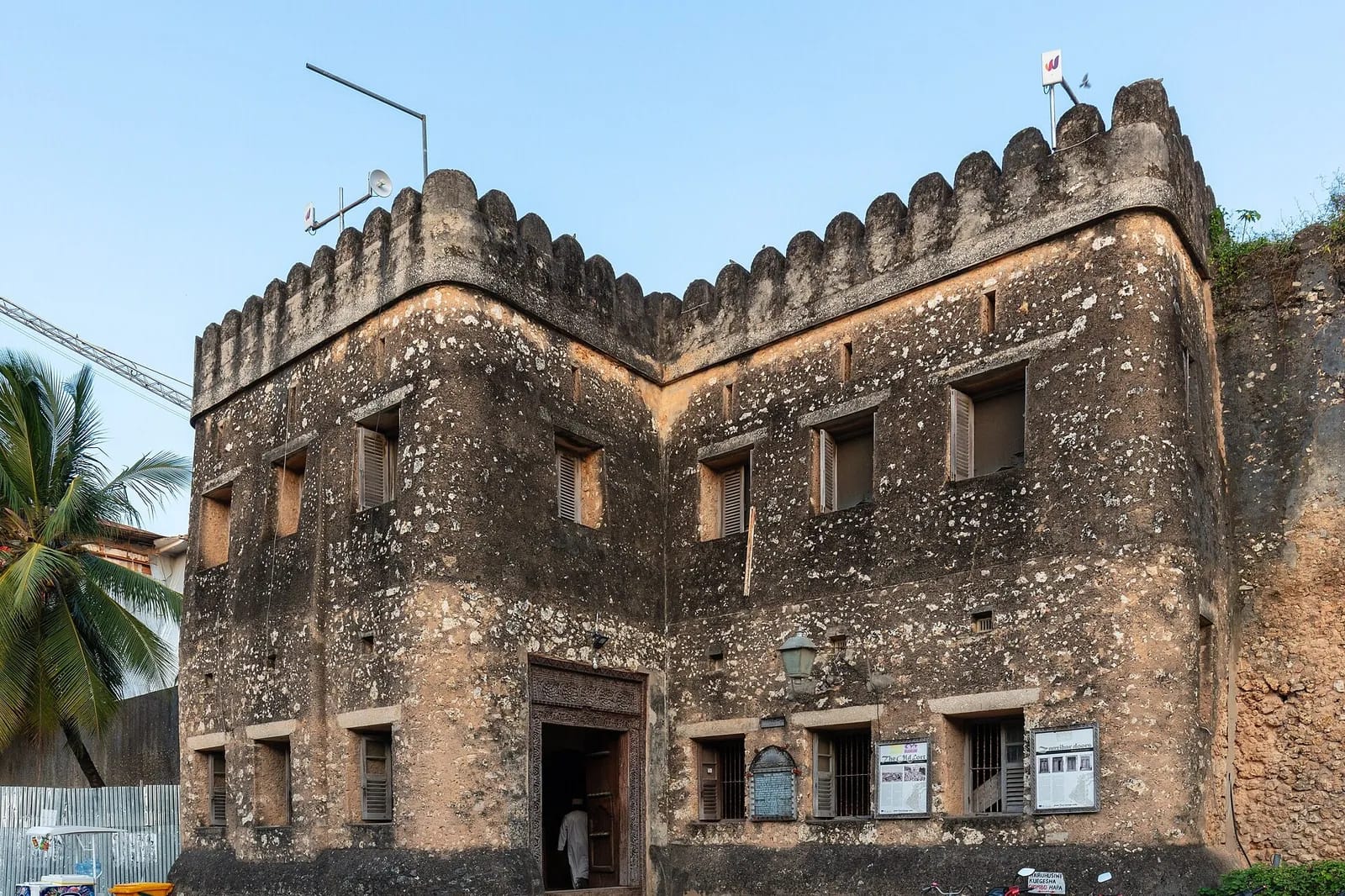
Header photo: the walls and gate of the Old Fort. Diego Delso, CC BY-SA 4.0, via Wikimedia Commons.
No. The Old Fort closed for restoration in early January 2026, and as of 18 November 2026 no reopening date has been announced. The gates are shut, the craft stalls and the cafe have moved out, and the courtyard is a building site. What you can do is walk along the outside walls on Mizingani Road, which are the part most people photograph anyway.
The work is run by Infinity Developments, a property company, under a $12 million agreement signed with the Zanzibar government in February 2026. The same deal covers the High Court museum and several of the old bath houses of Stone Town. The plans announced in late 2024 promise landscaped gardens, a renovated museum, a courtyard and auditorium for concerts, more food and craft stalls, and an information centre with a ticket office. Not everyone is happy about it: in 2025 a former member of parliament criticised the grey cement used on the walls.
Before the closure the fort was free to enter, open roughly from 8am to 6pm every day. Only some evening shows and the festival nights charged, and we have not found a reliable price for them. A ticket office in the new plans suggests the free entry may not survive the reopening, but nothing has been confirmed.
Check before you go
Works like these can end with little notice. Ask your hotel or simply look at the main gate facing Forodhani gardens when you pass. Status last checked 18 November 2026.
Stone Town walking tours past the Old Fort
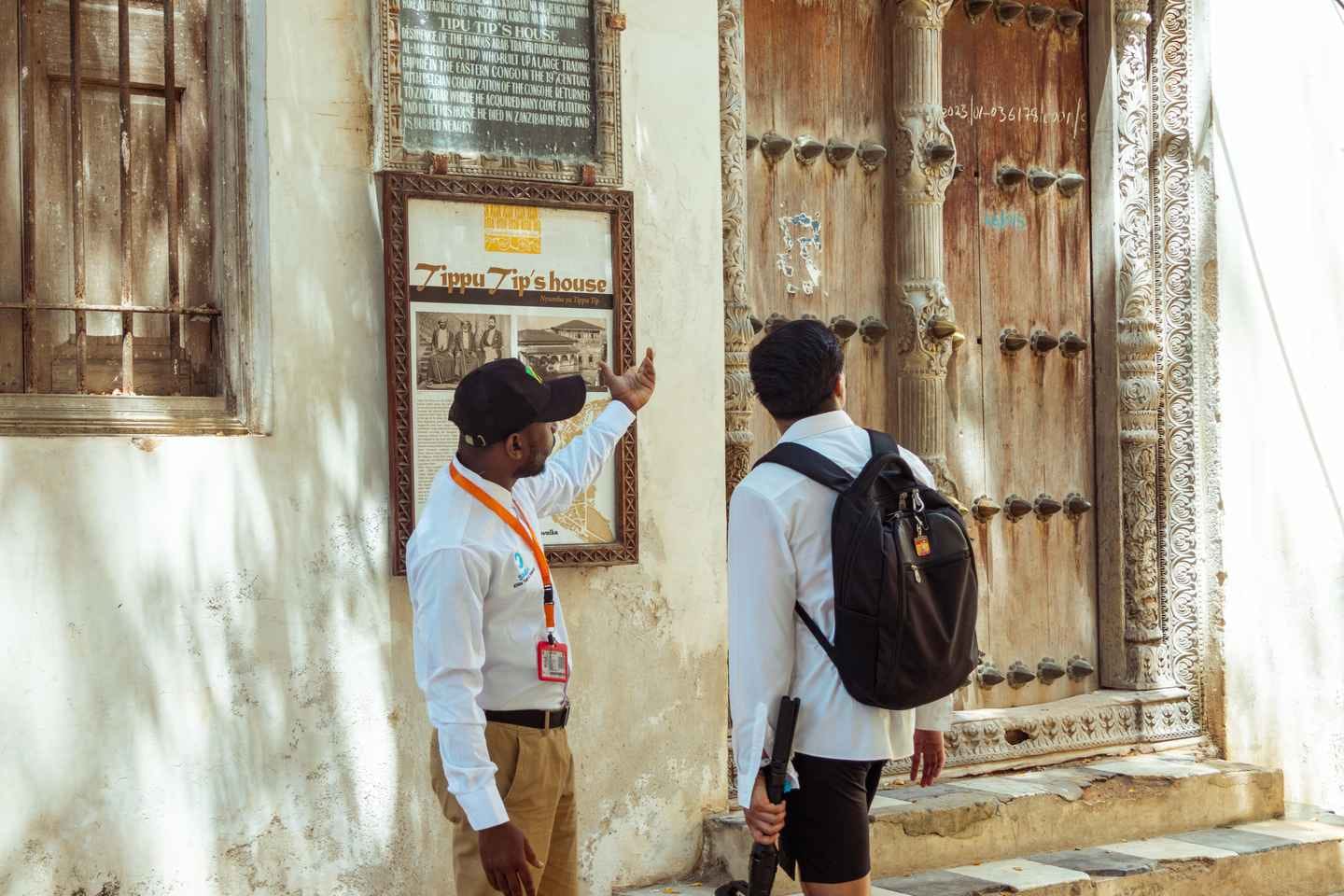
With the gates shut, a guide is the best way to get the fort's story from the seafront.
Stone Town, Local Life & Cultural Guided Tour
- 2 to 5 hours
- Hotel pickup included
- Free cancellation
4.5(215 reviews)
from$25per person
Check prices & availability
Zanzibar Stone Town Walking Tour: History, Culture and Hidden Gems
- 2.5 to 3 hours
- Hotel pickup included
- Free cancellation
4.9(19 reviews)
from$17per person
Check prices & availability
Stone Town: Food Markets and Street Food Walking Tour
- 3 hours
- Hotel pickup included
- Free cancellation
4.7(180 reviews)
from$35per person
Check prices & availabilityAll activities in Stone Town
Inside the Old Fort: courtyard, amphitheatre and craft shops
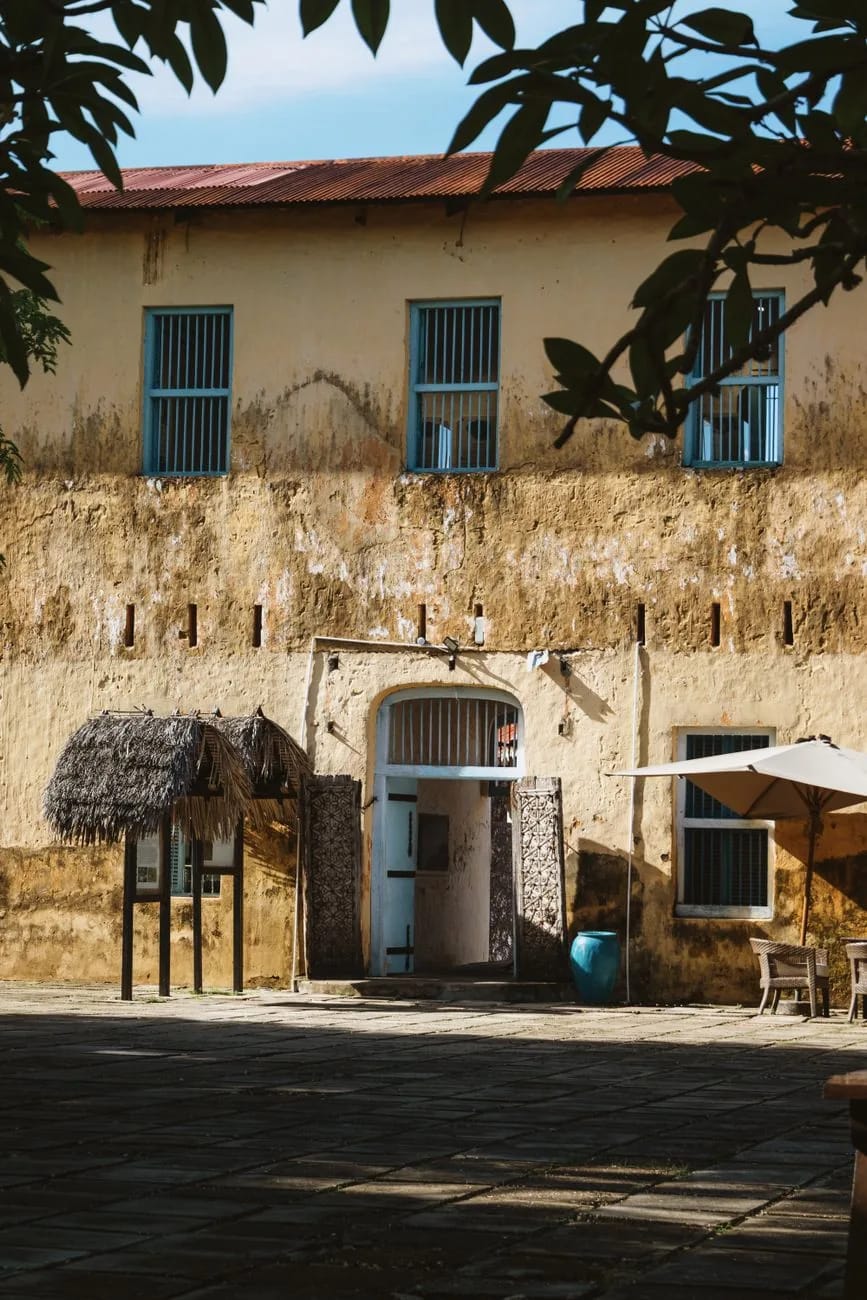
From the outside the fort is a square of high brown walls with crenellations and round towers at the corners. Until 2026 you came in through the main gate on the Forodhani side, behind a row of palms, past an information desk that was staffed when it felt like it.
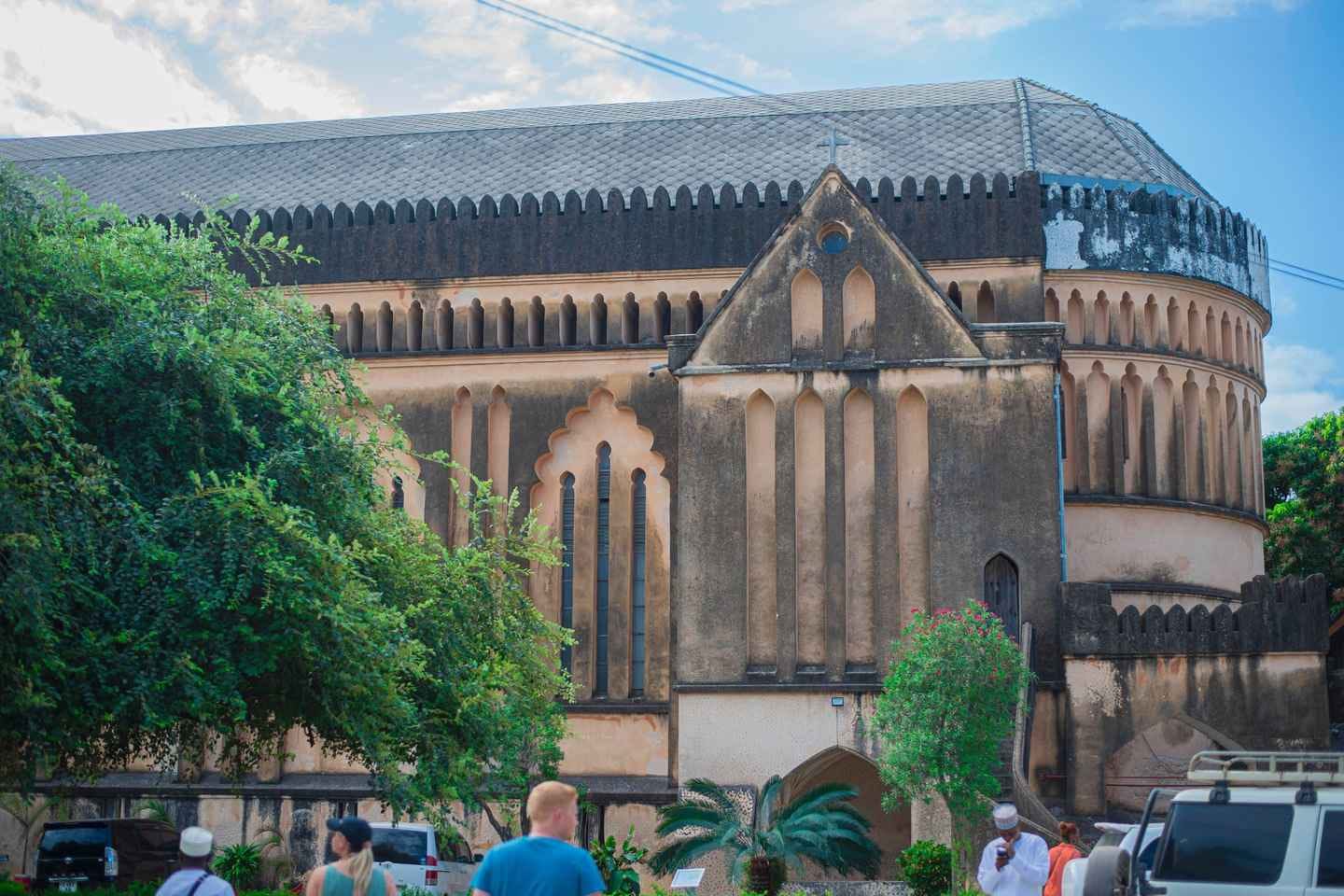
The first courtyard held the amphitheatre, a run of craft and Tingatinga painting stalls and a shaded cafe, the easiest place on the seafront to sit out the midday heat. A second, larger courtyard behind it led to the circular bastions. There was a small art gallery on the first floor of the north west bastion, and from there you could climb onto the western ramparts. Look for the remains of the Portuguese church built into the courtyard walls: they are the oldest stones in Stone Town.
The Old Fort amphitheatre
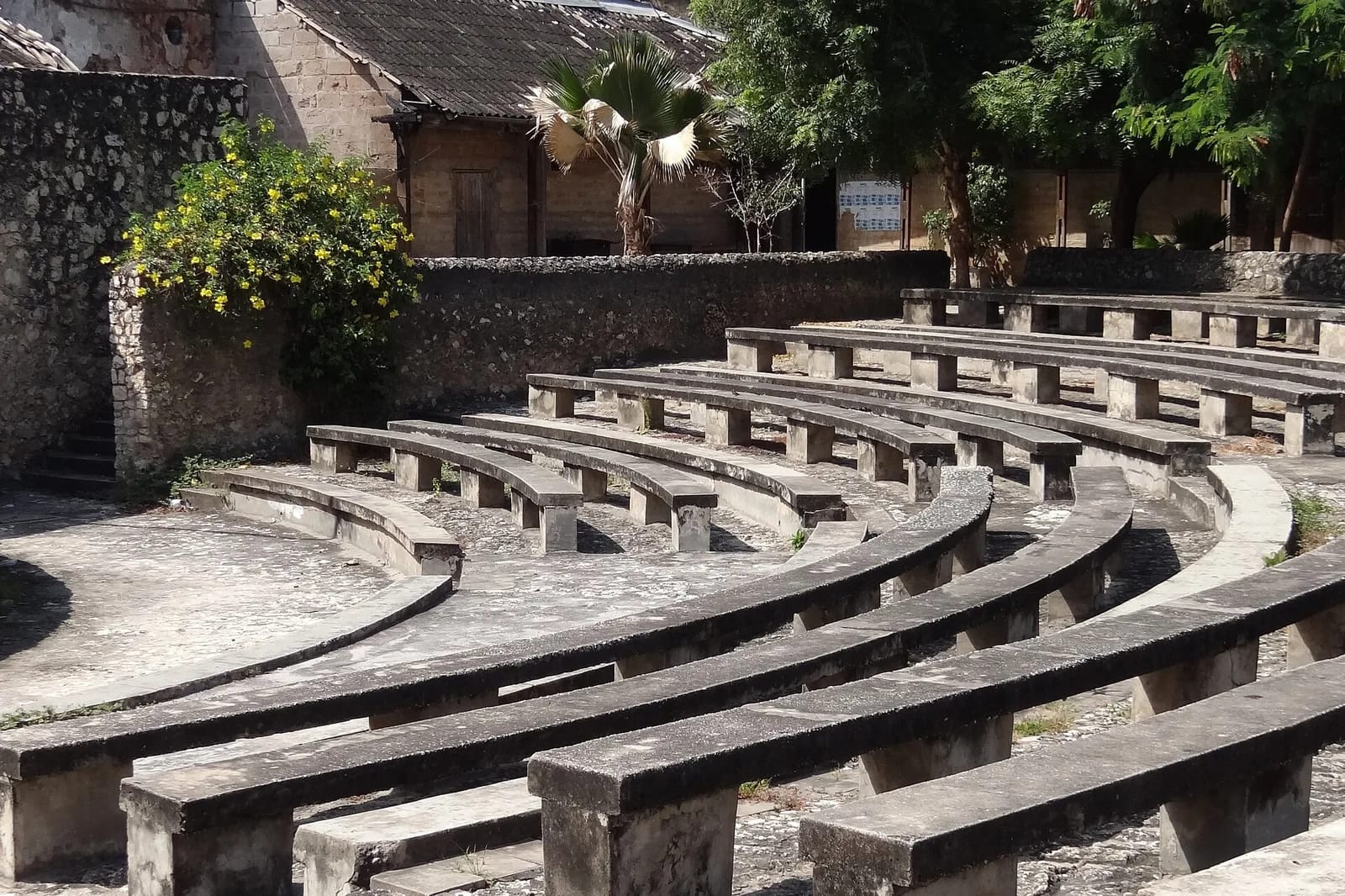
The open air amphitheatre was built in 1994, when the fort was turned into a cultural centre. It became the main stage of the town: screenings of the Zanzibar International Film Festival in the middle of the year, taarab evenings from time to time, and for twenty years the concerts of Sauti za Busara. Sitting on its stone steps at night, with the walls lit up, was one of the best evenings Stone Town had to offer. The restoration plans keep an auditorium for concerts and conferences, so the stage should come back in some form.
Where the Old Fort craft shops went
The traders who rented stalls in the fort had to leave before the works. Many of them moved to Caravan Sarai, another restored historic building in the heart of Stone Town, which the Tanzanian daily The Citizen reported as fully let in August 2026. If you remember a curio seller from the fort, that is where to ask for them. For carvings and kangas, the lanes around the Darajani market are the other place to look.
Old Fort Zanzibar history: from Portuguese church to Omani fort
The fort is the oldest building still standing in Stone Town, and the site is older still. Excavations under it have found traces of a Swahili trading settlement from the 11th century, centuries before any European ship reached the island. The Portuguese settled in the 16th century and put up a church in 1598.
In 1698 Omani Arabs, under the Yaruba imams, drove the Portuguese out of Zanzibar and built a fort around the church, finished around 1699 to 1701 depending on the source. It guarded the harbour that would make Zanzibar the capital of the Omani sultans in the 19th century, the story told in our history of Zanzibar.
| Date | What happened at the Old Fort |
|---|---|
| 11th century | A Swahili trading settlement already stands on the site, according to excavations under the fort |
| 1598 | The Portuguese build a church here, parts of which survive in the courtyard walls |
| 1698 | Omani Arabs drive the Portuguese out of Zanzibar |
| c. 1698 to 1701 | The fort is built around the old church, the dates vary by source |
| 19th century | Garrison, then prison, a role it keeps into the British protectorate from 1890 |
| 1905 to c. 1930 | Terminus of the little Bububu railway, closed in 1928 or 1930 depending on the source |
| 1946 to 1948 | The seaward entrance is rebuilt by Ajit Singh for the Ladies Club and its tennis court |
| After 1964 | Left empty after the revolution |
| 1994 to 1997 | Amphitheatre built, fort restored and opened as a cultural centre |
| 2000 | Stone Town is listed as a UNESCO World Heritage Site |
| January 2026 | The fort closes for a full restoration, no reopening date announced |
Its later lives are stranger than its first. It served as a prison, then from 1905 as the terminus of the little Bububu railway, which ran north along the coast until 1928 or 1930. In the late 1940s the seaward entrance was rebuilt, to a design by Ajit Singh, for the Ladies Club, whose members played tennis inside the walls of the old garrison.
After the 1964 revolution the fort was left empty. It was restored in the 1990s and reopened as a cultural centre, and in 2000 it became part of the Stone Town UNESCO World Heritage Site. The current restoration is the largest since then.
Sauti za Busara and the Old Fort: where the festival is held now
For two decades Sauti za Busara, East Africa’s biggest music festival, filled the fort every February. That has changed. While the fort is restored, the 2026 festival moved to Mnazi Mmoja Grounds, the open ground on the edge of Stone Town.
The organisers have dated the next edition to 19 to 21 March 2027, later than the usual February slot because of Ramadan and Eid, with the venue given only as Stone Town. Whether it returns to the fort depends on the works. The festival’s own site, busaramusic.org, is the place to check before you book flights around it.
The Zanzibar International Film Festival, held every year since 1997, usually runs in June or July and also used the amphitheatre. Its venue for 2027 has not been announced either.
How to get to the Old Fort from Forodhani gardens
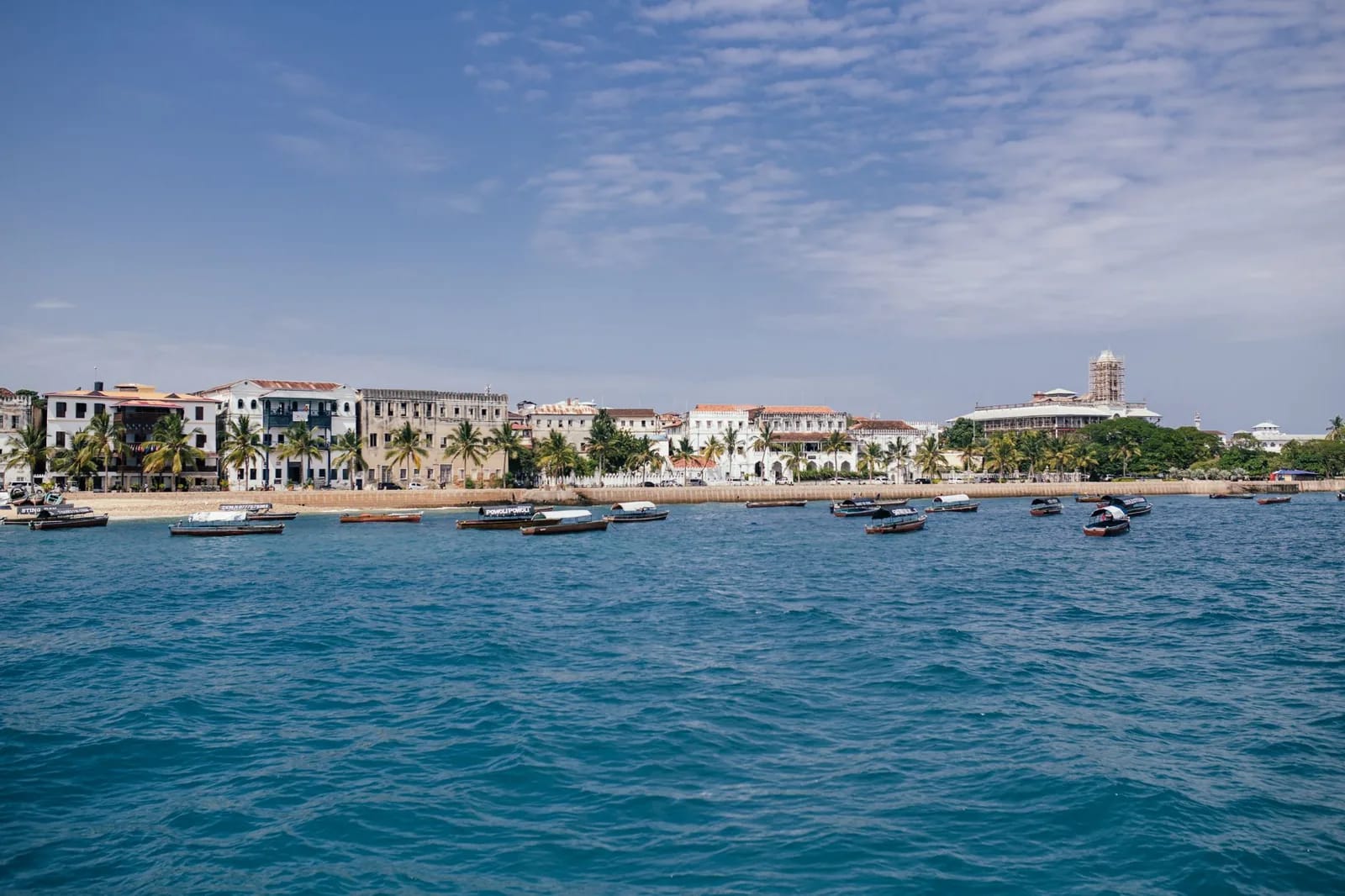
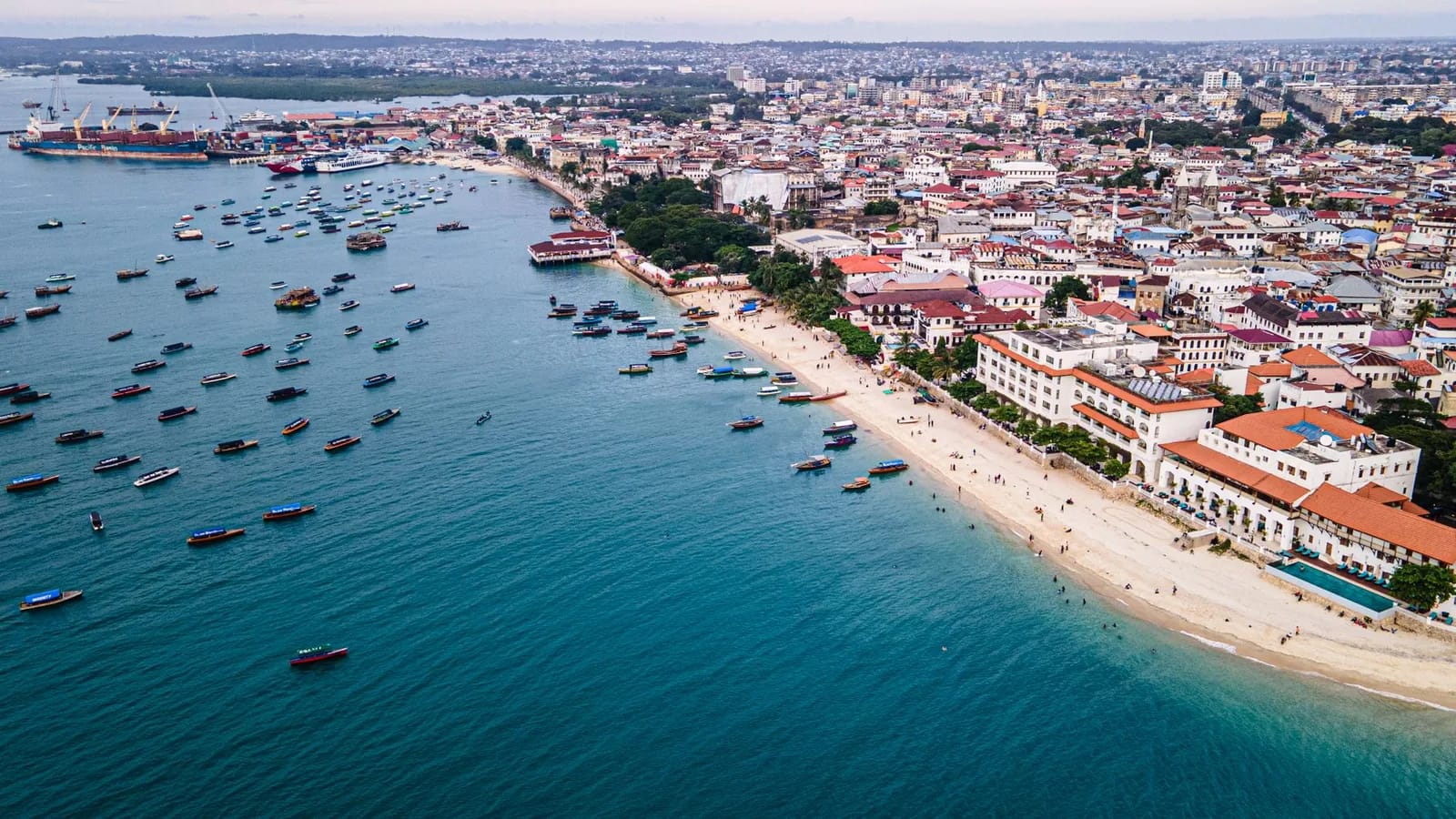
You cannot miss it. The fort stands on Mizingani Road, the seafront road of Stone Town, and its main gate faces Forodhani gardens across the street. Standing in the gardens, the fort is the brown wall on the land side, with the House of Wonders immediately to its north and the Palace Museum beyond.
From the ferry port at Malindi it is a short walk south along the seafront. Taxis from the airport drop you on Mizingani Road, and there is some parking along the west wall. From there the lanes of the old town start right behind the fort: Shangani and the Freddie Mercury House are a few minutes south west.
Best time to photograph the walls
Come in the late afternoon, when the sun comes from the sea and lights the walls from Forodhani. Then stay on for the night food market in the gardens, which starts at around 6pm.
Is the Old Fort worth visiting while it is closed?
Worth a look, not a detour. The walls take ten minutes, and you will walk past them anyway on any visit to the seafront. Do not plan a morning around getting inside, and treat any tour that promises the courtyard with suspicion until the gates reopen.
The rest of this stretch of seafront makes up for it. Forodhani gardens at dusk, the House of Wonders from outside and the Palace Museum next to it fill an afternoon. The Hamamni Persian Baths are a few lanes inland, but they are part of the same restoration deal, so check at the door. The full list of sights, with prices and the order a day takes, is in our Stone Town guide.
Questions people ask about the Old Fort in Zanzibar
Is the Old Fort in Zanzibar open?
No. The Old Fort has been closed for restoration since early January 2026 and, as of 18 November 2026, no reopening date has been announced. You can still walk round the outside walls on Mizingani Road. Ask your hotel or look at the gate when you arrive, because the works could finish at short notice.
How much are Old Fort Zanzibar tickets?
Before the closure there were no tickets: the courtyard was free, open from about 8am to 6pm every day, and only some evening shows and festival nights charged. The restoration plans include a ticket office, so the free entry may change when the fort reopens. Nothing has been confirmed.
What is the history of the Old Fort in Zanzibar?
Omani Arabs built it around 1698 to 1701, after driving the Portuguese out, on the site of a Portuguese church of 1598. It was a garrison and a prison, the terminus of the Bububu railway from 1905, a ladies' tennis club in the late 1940s, and from the 1990s a cultural centre with an open air amphitheatre.
What does Ngome Kongwe mean?
Ngome Kongwe is Swahili for "old fort". It is the name you will see on signs and hear from taxi drivers, and the one to use when you ask for directions in Stone Town.
Is Sauti za Busara still held at the Old Fort?
Not at the moment. The 2026 festival moved to Mnazi Mmoja Grounds while the fort is restored, and the organisers have dated the 2027 edition to 19 to 21 March 2027, with the venue given only as Stone Town. Check busaramusic.org before you book flights around it.
What happened in Stone Town, Zanzibar?
Stone Town grew from a Swahili trading port into the capital of the Omani sultans, who ran the Indian Ocean trade in cloves, ivory and enslaved people from here in the 19th century. It became a British protectorate in 1890, fought the 38 minute Anglo-Zanzibar War in 1896 and saw the revolution of 1964. The Old Fort is the oldest building still standing from that story.
How long do you need at the Old Fort?
Ten minutes for the outside walls while it is closed. When it was open, twenty to thirty minutes covered both courtyards and the ramparts, longer if you stopped for a drink at the cafe or stayed for an evening show.